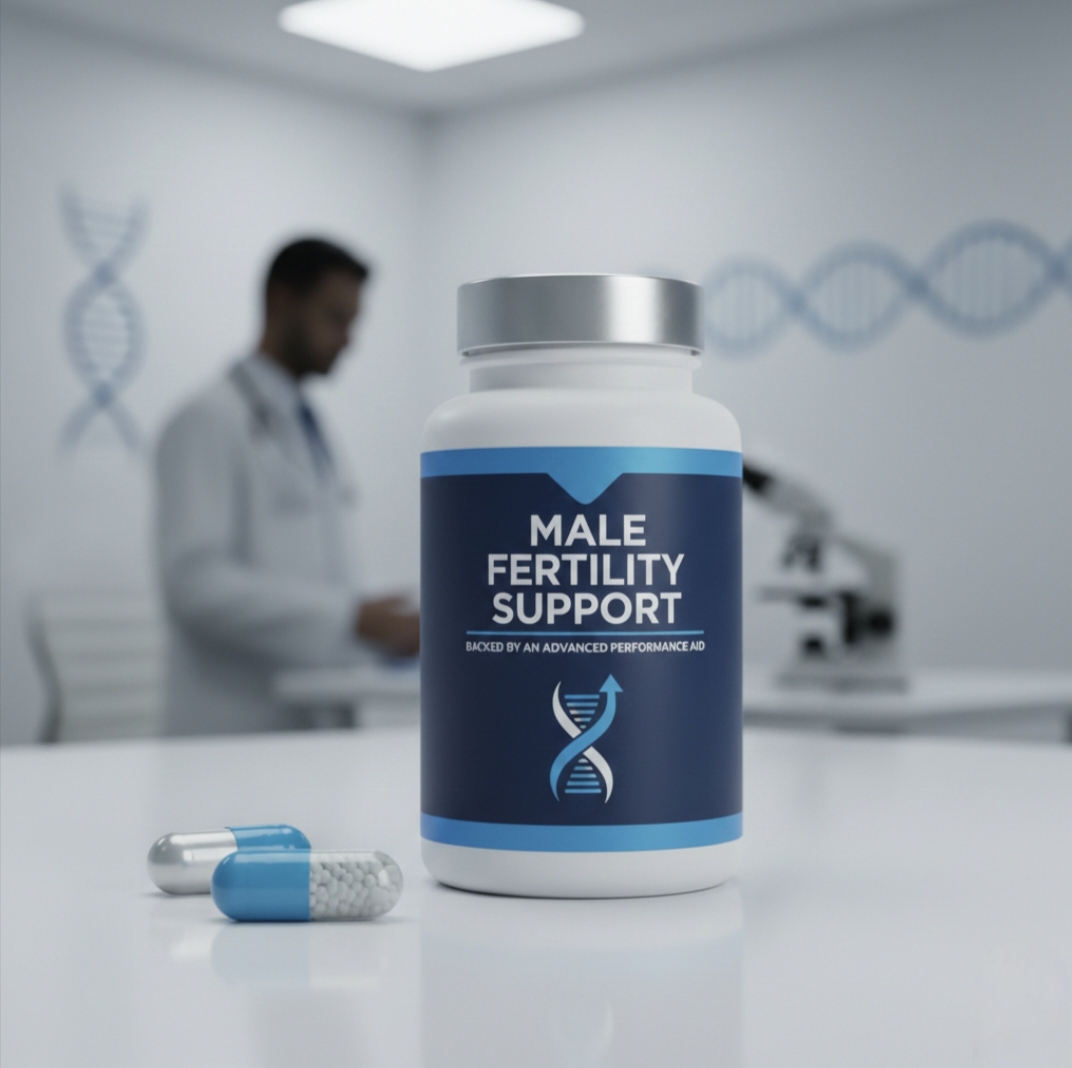
Male fertility has become a growing concern in today’s fast-paced and pressure-driven world. Unlike the past, modern men face constant stress, environmental exposure, poor dietary habits, and irregular routines that quietly affect reproductive health. Fertility is no longer limited to the ability to conceive; it reflects overall physical balance, hormonal stability, and long-term vitality. When these systems weaken, fertility is often the first signal. Addressing this early through informed support strategies can help men protect both their reproductive future and everyday performance.
Male Fertility Is a System, Not a Single Metric
Male fertility is shaped by an interconnected system rather than one isolated factor. Sperm quality, hormone signaling, blood circulation, metabolic health, and nervous system regulation all influence outcomes. Even men who appear physically fit may experience hidden fertility challenges due to oxidative stress or micronutrient deficiencies. Focusing only on numbers like sperm count ignores deeper biological processes. Effective fertility support begins by strengthening the body’s internal environment so reproductive functions can operate without disruption.
Why Performance Support Often Influences Fertility
Physical performance and fertility share more biological overlap than most people realize. Circulation efficiency, cellular energy production, and testosterone balance directly affect both stamina and reproductive capacity. A well-formulated male sexual performance aid typically targets these same systems. When blood flow improves and cellular stress is reduced, reproductive tissues receive better oxygen and nutrient delivery. This creates conditions that support sperm development naturally, rather than forcing short-term results.
Hormonal Balance Plays a Central Role
Hormones act as messengers that coordinate reproductive health. Testosterone, luteinizing hormone, and cortisol must remain within healthy ranges for fertility to remain stable. Chronic stress, poor sleep, and inflammation disrupt this balance over time. Advanced performance support formulas often include compounds that help regulate stress response and metabolic efficiency. By stabilizing hormonal communication, the body can maintain fertility without relying on aggressive medical interventions.
Nutritional Support Beyond Basic Supplements
Generic multivitamins rarely address the specific needs of male fertility. Reproductive cells are highly sensitive to oxidative damage and nutrient fluctuations. Targeted nutrients such as zinc, selenium, amino acids, and plant-based antioxidants support sperm integrity and DNA stability. An advanced performance aid usually combines these elements strategically, focusing on absorption and bioavailability. This approach supports fertility at a foundational level rather than masking deficiencies temporarily.
The Importance of Circulation and Oxygen Delivery
Healthy circulation is essential for reproductive function. Reduced blood flow limits oxygen supply to reproductive organs and slows cellular repair processes. Performance-focused formulations often support nitric oxide pathways, which help relax blood vessels and improve circulation. Over time, better blood flow contributes to improved tissue health and metabolic efficiency. These benefits extend beyond performance and directly support the physiological conditions required for male fertility.
Lifestyle Alignment Amplifies Results
No supplement can replace foundational lifestyle habits. Fertility outcomes improve significantly when nutritional support aligns with healthy routines. Regular physical activity enhances insulin sensitivity and hormone regulation. Quality sleep supports testosterone production and cellular repair. Reducing alcohol, tobacco, and environmental toxin exposure further protects reproductive health. When combined with a science-based male sexual performance aid, these habits work together to deliver sustainable, measurable improvements.
Avoiding Short-Term Solutions and Empty Claims
Many products in the market promise instant results but fail to support long-term health. Stimulant-heavy formulas may temporarily enhance sensation while ignoring fertility-related systems. Men seeking genuine fertility support should prioritize transparency, research-backed ingredients, and realistic timelines. Trustworthy solutions focus on gradual optimization rather than exaggerated outcomes. Sustainable fertility improvement requires patience, consistency, and informed product selection.
Psychological Confidence and Fertility Connection
Mental health and confidence influence reproductive outcomes more than commonly acknowledged. Chronic anxiety and performance pressure elevate cortisol levels, which can suppress reproductive hormones. Men who feel physically supported often experience improved confidence and reduced stress. This psychological stability indirectly supports fertility by restoring hormonal balance. A comprehensive approach addresses both physical and mental contributors to reproductive health.
A Holistic Perspective on Long-Term Male Health
Fertility should be viewed as part of a broader health strategy rather than a standalone concern. Men who invest in reproductive health often notice improvements in energy, focus, and resilience. These changes indicate systemic improvement rather than isolated effects. Supporting fertility through advanced performance solutions contributes to longevity and overall well-being, not just short-term outcomes.
Conclusion: Building Fertility Through Smart Performance Support
Male fertility thrives when the body operates in balance. An evidence-based male sexual performance aid, combined with intentional lifestyle choices, can support circulation, hormonal stability, and cellular health. Rather than chasing quick fixes, men benefit most from a holistic strategy rooted in science and consistency. Taking proactive steps today helps preserve reproductive potential, confidence, and vitality for the future. Explore informed solutions, commit to sustainable habits, and invest in male fertility support that aligns with long-term health goals.