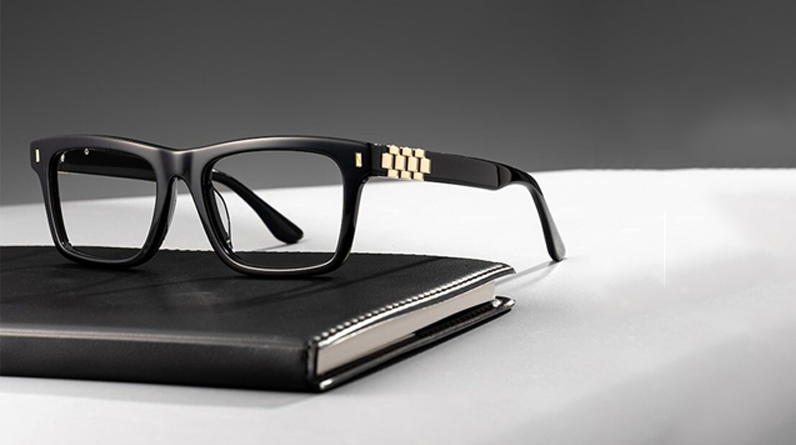
Finding the most comfortable reading glasses is a priority for anyone who spends their day navigating tasks that require sharp near vision. For those seeking stylish reading glasses, the search often begins with finding a balance between ergonomic design and a look that feels authentically you. Whether you are browsing for high-quality fashion glasses for men or elegant unisex styles, modern eyewear has evolved to ensure that you no longer have to settle for readers that pinch, slide, or cause headaches.
The difference between uncomfortable and properly fitted reading glasses can transform your entire day. This guide explores how to identify features that ensure a proper fit, reduce eye strain, and allow your personality to shine through.
Why Comfort Matters in Reading Glasses
Comfortable reading glasses directly influence how often and how long you’ll actually wear them. When readers feel uncomfortable, many people avoid using them altogether, leading to unnecessary eye strain, headaches, and fatigue during activities like reading, crafting, or using digital devices. This avoidance creates a problematic cycle where vision needs go unmet simply because the solution feels worse than the problem.
Poorly designed readers create several common discomfort issues that affect daily life. Frames that pinch behind the ears cause persistent pain that radiates through the temples. Heavy frames slide down the nose constantly, requiring frequent adjustments that interrupt concentration. Tight frames create pressure points on the temples and bridge of the nose, leaving red marks and soreness. Ill-fitting nose pads can dig into sensitive skin, while frames that sit too close to the face cause lashes to brush against lenses. These seemingly minor irritations accumulate throughout the day, transforming a helpful tool into a source of frustration.
For seniors, proper fit becomes even more critical due to physiological changes that occur with age. Skin becomes more sensitive and prone to irritation from pressure points. Bone structure around the nose and ears may change, affecting how frames rest on the face. Many seniors also manage multiple pairs of glasses for different activities, making comfort essential for encouraging consistent use. Additionally, conditions like arthritis can make it difficult to adjust poorly fitting frames, while reduced dexterity means glasses need to stay securely in place without constant repositioning. Investing in truly comfortable readers ensures that vision correction enhances rather than hinders daily independence and enjoyment.
Features of the Best Prescription Reading Glasses
The most comfortable prescription reading glasses share several essential features that work together to eliminate common sources of discomfort. Lightweight materials form the foundation of all-day wearability, with modern frames constructed from titanium, TR-90 polymer, or thin acetate that barely register on your face. These advanced materials typically weigh less than an ounce, preventing the nose-bridge fatigue and ear soreness that heavier frames cause during extended wear. The reduced weight also means less sliding, as gravity has minimal effect on properly balanced lightweight frames.
Adjustable nose pads represent a game-changing feature for achieving a truly personalized fit. Unlike fixed bridge designs that work for some faces but not others, movable nose pads can be positioned to distribute weight evenly across the nose without creating pressure points. Quality adjustable pads use soft silicone that cushions contact areas and can be widened or narrowed to match your unique nose shape. This customization prevents the common problem of frames sitting too high or low, ensuring lenses align perfectly with your line of sight while maintaining comfort throughout the day.
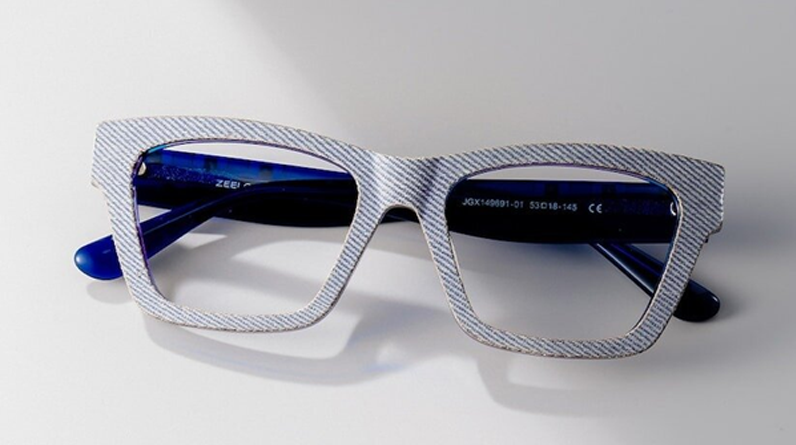
Flexible frame construction reduces pressure on temples and prevents the pinching sensation many people experience with rigid designs. Spring-loaded hinges allow temples to bend slightly outward, accommodating different head widths without requiring manual adjustment. Memory metal frames can be bent and will return to their original shape, providing gentle, consistent pressure rather than the tight grip of inflexible materials. Anti-glare coatings eliminate reflections that cause eye strain during reading, while blue light filtering technology protects against the harsh wavelengths emitted by smartphones, tablets, and computer screens. These optical enhancements work alongside physical comfort features to reduce the fatigue that accumulates during prolonged close-up tasks, making your readers genuinely comfortable for hours of continuous use.
Choosing Customizable Frames for Style and Function
Frame Materials and Durability
Acetate frames offer rich color options and patterns while providing moderate flexibility and warmth against the skin. These plastic-based frames can be easily adjusted by professionals and typically cost less than metal alternatives, though they’re slightly heavier and may become brittle over time with exposure to heat. Metal frames, particularly stainless steel varieties, deliver exceptional durability and a sleek, professional appearance with minimal weight. They resist corrosion and maintain their shape well, making them ideal for active lifestyles. Titanium represents the premium choice, combining feather-light construction with remarkable strength that outlasts other materials. Though titanium frames carry a higher initial investment, their hypoallergenic properties benefit sensitive skin, while their resistance to bending and breaking means they often last years longer than acetate or standard metal options, ultimately providing better value for daily wear.
Style Options for Personal Expression
Frame shapes dramatically affect both appearance and comfort, with rectangular frames complementing round faces by adding definition, while round or oval frames soften angular features on square face shapes. Cat-eye styles create an uplifting effect that flatters heart-shaped faces, and aviator or browline designs balance longer face proportions. Color choices extend beyond traditional black and tortoiseshell to include burgundy, navy, forest green, and even translucent pastels that add personality without overwhelming your features. Consider your wardrobe’s dominant colors when selecting frame tones—warm metals like gold or rose gold coordinate with earth tones and warm skin undertones, while silver, gunmetal, and cool-toned acetates pair beautifully with blues, grays, and cool complexions. Online retailers like ZEELOOL offer extensive collections that allow you to explore hundreds of frame styles, colors, and materials from home, often with virtual try-on features that help visualize how different designs complement your face shape before making a purchase. The key is choosing stylish reading glasses that feel authentically you, as confidence in your appearance encourages consistent wear and makes your readers a natural extension of your personal style rather than a medical necessity you reluctantly tolerate.
How to Ensure Proper Fit for Comfortable Readers
Achieving the perfect fit begins with accurately measuring your pupillary distance (PD), the space between your pupils measured in millimeters. This measurement ensures that the optical centers of your lenses align precisely with your eyes, preventing eye strain and distortion. You can measure PD at home by standing 8 inches from a mirror, closing your right eye, and placing a millimeter ruler against your nose bridge. Align the ruler’s zero mark with the center of your left pupil, then open your left eye while closing your right and note where your right pupil center falls on the ruler. For greater accuracy, ask someone to measure for you while you focus on an object 10-15 feet away, or use a smartphone app designed for PD measurement. Most adults have PD measurements between 54-74mm, and even a 2mm error can cause noticeable discomfort during reading.
Professional fitting by an optician provides expertise that home measurements cannot replicate. An optician assesses not just PD but also how frames sit on your unique facial contours, adjusting temple length so arms rest comfortably over ears without pinching or leaving gaps. They evaluate frame width to ensure it matches your face without temples pressing against your head or extending too far outward. The optician also positions nose pads at the optimal angle and spacing, sets the proper pantoscopic tilt so lenses angle slightly downward for natural reading posture, and ensures adequate vertex distance between your eyes and lenses. These micro-adjustments transform off-the-rack frames into personalized eyewear.
Well-fitting reading glasses exhibit several telltale signs you can verify yourself. The frames should rest evenly on your nose without sliding down or requiring constant pushing up. Temples should follow the contour of your head with gentle, uniform pressure rather than tight spots behind the ears. When you look straight ahead, your eyes should appear centered in the lenses both horizontally and vertically. The frames shouldn’t touch your cheeks when you smile, and your eyelashes shouldn’t brush the lenses. If you experience any headaches, dizziness, or need to tilt your head to see clearly through the lenses, the fit requires adjustment. Properly fitted readers feel so natural you forget you’re wearing them within minutes.
Care and Maintenance for Long-Lasting Comfort
Proper cleaning preserves both lens clarity and frame integrity, directly impacting long-term comfort. Use lukewarm water and a drop of dish soap without moisturizers or harsh chemicals, gently rubbing lenses with clean fingers to remove oils and debris. Rinse thoroughly under running water, then dry with a clean microfiber cloth using circular motions from the center outward. Never use paper towels, clothing, or tissues, as these materials contain wood fibers that create microscopic scratches on lens coatings. For frames, wipe acetate with a slightly damp cloth to prevent buildup in crevices, and clean metal frames with lens cleaner to remove skin oils that cause corrosion. Clean your readers daily if you wear them frequently, as accumulated grime can alter how frames sit on your face and affect comfort.
Storage practices maintain frame shape and prevent the warping that leads to fit problems. Always place readers in a hard-shell case when not wearing them, protecting against accidental crushing or bending. Store cases away from heat sources like car dashboards, windowsills, or radiators, as temperatures above 140°F can warp acetate frames and loosen lens mountings. When removing glasses, use both hands to grasp the temples near the hinges, pulling straight back rather than lifting from one side, which stresses the frame and creates uneven tension. At night, place your case on a stable surface rather than under pillows or in pockets where rolling over or sitting could damage frames. If your readers develop a loose screw, tighten it immediately with an eyeglass repair kit to prevent temple misalignment that affects comfort.
Replace reading glasses when vision changes make current prescriptions inadequate, typically every one to three years as presbyopia progresses. Physical signs demanding replacement include frames that no longer hold adjustments, staying bent or loose despite professional tightening. Scratched lenses that cleaning cannot improve reduce visual clarity and cause eye strain. Stretched-out temples that slide constantly indicate material fatigue beyond repair. Corroded nose pads or discolored frames suggest hygiene issues that cleaning cannot resolve. If you find yourself removing your readers frequently due to discomfort that adjustments haven’t fixed, the frames have likely reached the end of their functional life and warrant replacement with a fresh pair designed for optimal comfort.
Prioritizing Comfort and Style in Your Reading Glasses
Comfortable reading glasses transform daily activities from frustrating struggles into effortless experiences, making the difference between avoiding tasks and embracing them with confidence. The most comfortable readers combine lightweight construction, adjustable components, and flexible materials that eliminate pressure points while providing stable, secure positioning throughout the day. When selecting prescription reading glasses, prioritize features like adjustable nose pads, spring hinges, and materials such as titanium or TR-90 that balance durability with feather-light comfort. Equally important is choosing customizable frames that reflect your personal style, whether through bold colors, classic shapes, or contemporary designs that make you feel authentically yourself. A proper fit ensures optical centers align with your pupils while frames rest naturally on your face without pinching, sliding, or creating contact points that cause irritation. Remember that comfortable readers require an initial investment in quality materials and professional fitting, but this commitment pays dividends through years of reliable use and sustained visual clarity. Don’t settle for readers that you tolerate rather than enjoy wearing—prioritize both exceptional comfort and personal expression to find glasses that enhance your vision, complement your lifestyle, and become such a natural part of your day that you forget you’re wearing them.