Key Takeaways
- Retaining top talent is crucial for business longevity, innovation, and competitiveness.
- Recognition, engagement, and development opportunities are vital to employee satisfaction and retention.
- Flexible work policies and an enriching workplace culture significantly reduce turnover rates.
Table of Contents
- The Cost of Employee Turnover
- The Power of Recognition
- Flexible Work Arrangements
- Building a Positive Workplace Culture
- Investing in Employee Development
- Conclusion
In today’s rapidly evolving work environment, organizations face constant pressure to attract skilled professionals, adapt to change, and maintain productivity. While hiring new talent often takes center stage, the importance of retaining experienced, high-performing employees is sometimes underestimated. Employee turnover can quietly disrupt workflows, weaken team morale, and lead to the loss of institutional knowledge that takes years to build. Over time, these effects can influence not only operational efficiency but also long-term stability.
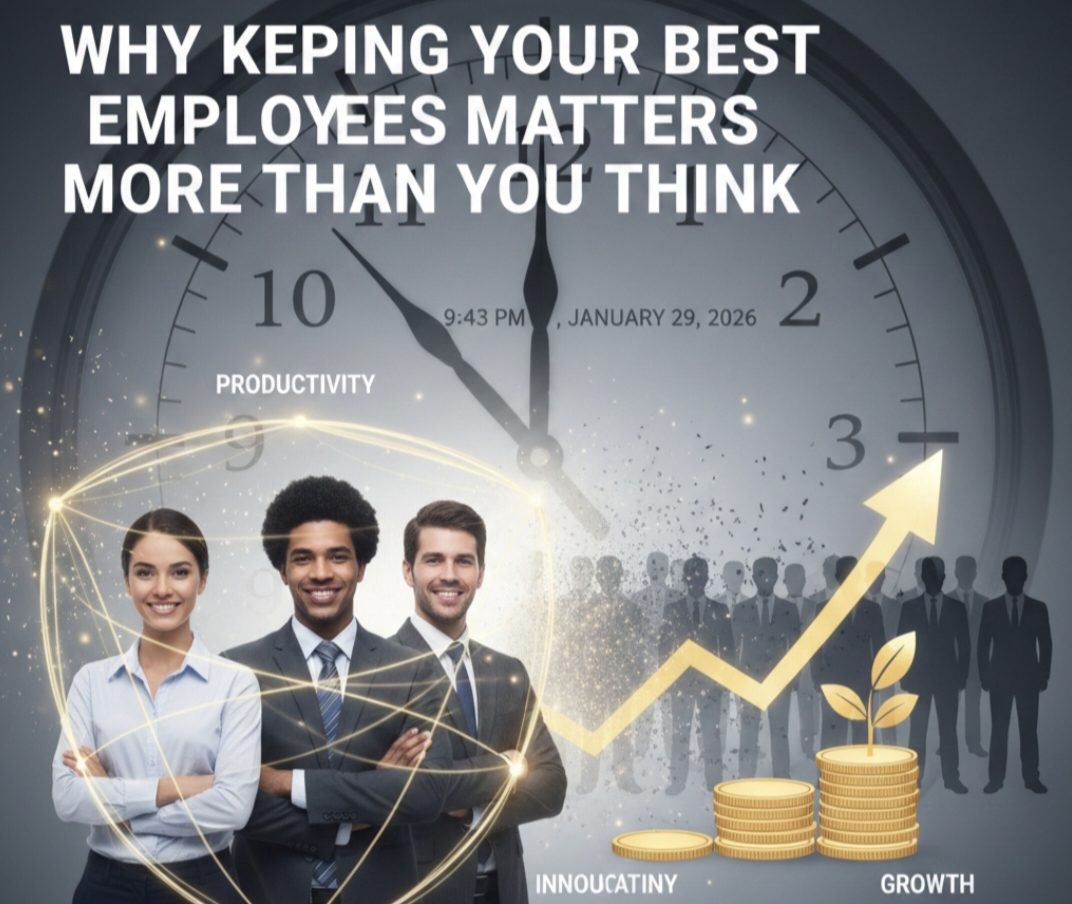
Keeping your best employees matters more than it may initially appear because retention supports continuity, collaboration, and sustainable growth. A thoughtful talent retention strategy helps organizations understand what motivates employees to stay, grow, and remain engaged in their roles. By focusing on both retention and recruitment, organizations are better positioned to preserve expertise, reduce unnecessary costs, and foster a culture that values consistency and shared success.
The Cost of Employee Turnover
Employee turnover exacts a profound toll on organizations, well beyond the cost of recruitment and training. Every resignation results in productivity loss, increased workloads for remaining staff, and the disruption of critical workflows. Research from the Society for Human Resource Management suggests that replacing a skilled employee can cost between 6 and 9 months of their annual salary.
Additionally, the departure of top performers results in the loss of invaluable institutional knowledge and a weakening of team morale. Over time, frequent turnover can damage company culture and client relationships, eroding both internal cohesion and external credibility.
The Power of Recognition
Recognition is one of the most powerful tools for keeping employees engaged and motivated. People are more likely to stay and excel in environments where their contributions are acknowledged. According to a national survey, 83% of U.S. employees say praise is more important than ever in the age of artificial intelligence (AI), reaffirming that human connection remains essential even as workplaces augment and automate workflows.
Nearly 60% of respondents say AI-tailored recognition, such as personalized praise alerts, is just as meaningful as recognition from a manager, challenging the belief that AI lacks authenticity and personalization. At the same time, nearly 75% report they are more likely to stay at a company where AI and humans work together on recognition and engagement, signaling a strong link for business leaders to consider.
Flexible Work Arrangements
The landscape of work has been reshaped by the rise in flexible work arrangements (FWAs) since the COVID-19 pandemic. Today, employees consider flexible schedules one of their top reasons for staying with an employer. FWAs enable workers to customize their work life to better suit personal and family needs, leading to increased job satisfaction and a vital sense of trust from leadership.
When organizations embrace flexibility, they attract and retain top-tier candidates who may otherwise seek alternative arrangements elsewhere. Adopting digital tools for task management, collaboration, and communication further boosts both productivity and retention, positioning organizations for long-term success.
Building a Positive Workplace Culture
Workplace culture profoundly affects whether employees feel engaged—or compelled to look elsewhere. Research by the Boston Consulting Group found that employees who enjoy their work are 49% less likely to consider leaving, yet many organizations overlook the importance of making work interesting, rewarding, and collaborative.
Leaders play a defining role in shaping culture, fostering inclusivity, and creating opportunities for fun and professional connections. Regular feedback, shared celebrations of milestones, and genuine attention to employee well-being all contribute to workplaces that not only retain talent but also encourage their growth and creativity.
Investing in Employee Development
Opportunities for advancement and growth keep employees motivated to stay and excel. Organizations that offer clear career progression, leadership development, and meaningful mentorship programs are seen as partners in employees’ long-term success. According a report, 94% of employees say they would stay with a company longer if it invested in their learning and development. Whether through formal training, challenging assignments, or sponsorship of educational pursuits, companies that invest in continuous development reap the rewards of a future-ready and loyal workforce.
Conclusion
Keeping your top talent is a strategic priority that goes far beyond just calculating turnover costs. By implementing a thoughtful mix of employee recognition, flexible policies, positive culture, and career growth opportunities, leaders create environments where employees are motivated to stay and contribute at their best. In today’s competitive era, investing in retention strategies pays dividends in innovation, resilience, and market leadership, ensuring your organization not only survives but thrives.