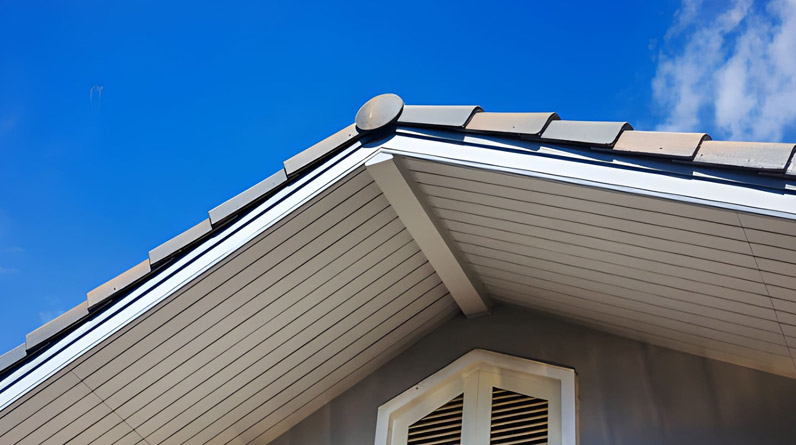
A well designed roof does more than protect your home from the elements. It also plays a critical role in directing water safely away from the structure. When drainage is efficient, the roof lasts longer, the home stays drier, and the risk of costly repairs decreases significantly. Poor drainage, on the other hand, can lead to leaks, mold, structural deterioration, and premature roof failure. Understanding the roof design features that improve water flow helps homeowners make informed decisions when building, renovating, or upgrading their roofing system.
Steeper Roof Slopes That Promote Faster Runoff
Roof pitch is one of the most influential factors in drainage performance. A steeper slope allows water to move quickly off the surface, reducing the likelihood of pooling or slow runoff. This is especially important in regions with heavy rainfall or frequent storms.
Low slope roofs can still perform well, but they require additional waterproofing measures because water tends to linger longer on flatter surfaces. By increasing the pitch even slightly, homeowners can significantly improve drainage efficiency. A well calculated slope not only enhances performance but also contributes to the overall aesthetic of the home.
Well Designed Gutters and Downspouts for Controlled Flow
Gutters and downspouts are essential components of any effective drainage system. Their purpose is to collect water from the roof and channel it safely away from the home’s foundation. When gutters are properly sized, positioned, and maintained, they prevent overflow and reduce the risk of water related damage.
A well designed gutter system includes seamless gutters, securely fastened brackets, and downspouts placed strategically around the home. Extensions or splash blocks help direct water even farther from the foundation. Regular cleaning is also important, as clogged gutters can cause water to back up onto the roof. Many homeowners rely on professionals such as Austin Roofing to ensure their gutter systems are installed correctly and optimized for long term performance.
Functional Roof Valleys That Channel Water Effectively
Roof valleys are the areas where two roof planes meet, creating natural channels for water flow. Because they collect and direct large volumes of water, valleys must be designed and installed with precision. Poorly constructed valleys are among the most common sources of leaks.
There are two primary valley styles: open and closed. Open valleys use metal flashing to guide water, offering excellent durability and drainage. Closed valleys rely on shingles to cover the area, creating a more seamless appearance but requiring meticulous installation to prevent water intrusion. Regardless of the style, proper underlayment, flashing, and alignment are essential to ensure water moves smoothly through the valley without penetrating the roofing materials.
Drip Edges That Protect Roof Edges and Fascia
Drip edges are small but powerful components that significantly enhance roof drainage. Installed along the edges of the roof, they guide water away from the fascia and into the gutters. Without drip edges, water can travel backward under the shingles or run directly down the fascia, causing rot, mold, and structural damage.
These metal strips also help prevent wind driven rain from infiltrating the roof deck. Many building codes now require drip edges because of their effectiveness in protecting vulnerable areas. Their simple design and low cost make them an easy upgrade with long lasting benefits.
High Quality Underlayment That Adds a Secondary Barrier
While shingles and exterior materials handle most of the water, the underlayment provides a crucial secondary layer of protection. High quality underlayment helps prevent moisture from reaching the roof deck, especially in areas where water may accumulate or flow heavily.
Synthetic underlayment, ice and water shields, and reinforced materials offer superior performance compared to traditional felt. These products are particularly valuable in climates with heavy rain, snow, or ice. When installed correctly, underlayment enhances the roof’s overall drainage system by ensuring that any water that slips past the shingles is safely redirected. This added protection helps extend the lifespan of the roof and reduces the likelihood of leaks.
Conclusion
Effective roof drainage is essential for maintaining the health, durability, and performance of your home. By incorporating features such as steeper slopes, well designed gutters, functional valleys, protective drip edges, and high quality underlayment, homeowners can significantly reduce the risk of water related damage. Thoughtful roof design not only improves drainage but also provides long term peace of mind during heavy rain and challenging weather conditions.