Personal style is not a costume you put on for other people. It is a visual language that communicates what you value, the life you lead, and how you want to feel during the day. When your appearance reflects your inner compass, you move through rooms with a quiet ease that looks like confidence from the outside and feels like authenticity from the inside. The process is not about copying trends or chasing perfection. It is about identifying your core message, translating it into repeatable choices, and maintaining those choices with simple rituals that work in real life.
Begin With the Story You Want to Tell
Every consistent personal look starts with a clear narrative. Ask yourself three questions and write your answers in simple, direct words. What do I stand for. How do I want others to experience me. How do I want to experience myself. You might land on ideas like warm, precise, imaginative, reliable, or understated. These words become filters for future decisions.
Next, locate your style within your actual life. Picture three recurring moments that matter, such as leading a meeting, catching up with friends, or going out to a special dinner. Describe how you want to show up in each scene. When you link your narrative to real settings, you avoid the trap of buying for an imagined life and start making choices that will get used.
Translate Values into a Visual System
Values become visible through consistent elements. If you want to feel grounded and capable, lean toward clean lines, unfussy silhouettes, and a calm palette. If you want to honor a playful or artistic side, add pieces with movement, texture, or unexpected color contrast. Fit is the most powerful detail. Clothes that skim rather than squeeze look intentional and feel comfortable across a full day.
Create a compact color plan that supports your message. Choose two base tones for most garments, two supporting accents, and one signature color that appears in small amounts. Apply the same clarity to fabrics. Decide whether your personality reads best in structured cottons and wool or in fluid knits and silk. When you repeat these building blocks across outfits, your look gains coherence. You stop standing in front of a packed closet thinking you have nothing to wear, because most pieces work with most others.
Treat Hair and Grooming as Signature Elements
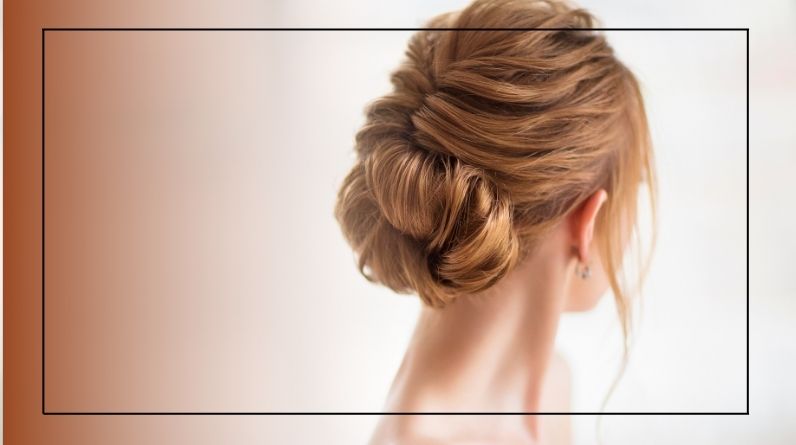
Hair and grooming are not afterthoughts. They frame the face, set the mood of an outfit, and often do more to communicate identity than any single garment. Start with the reality of your schedule and climate, then choose options that hold up. A precision crop, a soft shag, curls that are well defined, or a classic blowout each sends a different signal. Aim for a shape that looks like you on your best day, not a style that only works after a long appointment.
If fullness, coverage, or styling flexibility is part of your vision, modern enhancements can bridge the gap between how you want to look and what your natural texture provides. For clients who want added volume on top without changing length or committing to permanent methods, a luxury human hair topper can offer a seamless and natural‑looking boost that supports professional polish and personal comfort. The guiding principle is the same whether you use enhancements or not. Choose solutions that integrate with your daily routine, your color plan, and your wardrobe’s overall tone so that everything feels like one story.
Build a Wardrobe That Matches Your Calendar
Your closet should be a toolkit for your week, not a museum of past purchases. Audit the next two months and count the types of days you will actually have. If most weekdays involve presentations, client calls, and a commute, prioritize breathable layers, smart shoes that can handle distance, and a jacket that elevates any base outfit. If weekends include errands, casual meals, and outdoor time, assemble modular pieces that can shift from morning to evening with small changes in footwear or accessories.
Think in outfits rather than individual items. For every top, identify two bottoms and one third layer that work. Photograph combinations you like and keep the images in a folder on your phone. This becomes your personal lookbook and cuts decision time in half. When you consider a new purchase, test it against the rule of three. If it cannot complete three outfits you already own, pause. This prevents clutter, encourages depth, and keeps your style consistent across seasons.
Use Accessories to Fine‑Tune the Message
Accessories are punctuation marks in your visual language. They refine the tone and can adjust an outfit from casual to formal in seconds. If your narrative centers on clarity and reliability, choose a single metal tone, a structured bag, and a watch with a simple face. If you want to amplify creativity, reach for sculptural earrings, a patterned scarf, or a bold shoe in your signature color. Belts can define shape and add balance. Eyewear frames communicate intellect or playfulness depending on the silhouette. Hats and hair accessories can extend your haircut between appointments while reinforcing the mood of your look.
Keep a small tray for daily essentials near the door. Place keys, wallet, glasses, and two or three go‑to accessories there each evening. This ritual removes friction in the morning and helps you leave the house composed, not rushed.
Maintain With Rituals, Not Rules
A look that aligns with your identity should be simple to maintain. Replace strict rules with short, repeatable rituals. On Sunday evening, check your calendar, lay out two to three outfits, and make any quick repairs. Steam a few foundational pieces so they are ready. Wipe shoes, condition leather when needed, and keep a lint brush and fabric shaver in the same drawer as your hangers.
Schedule grooming and hair appointments in advance, just as you would recurring work meetings. Note the cadence that keeps you feeling sharp, whether that is three weeks or eight. At the start of each season, rotate appropriate pieces to the front, store off‑season items clean and folded, and donate or consign what no longer supports your story. This approach preserves energy for the parts of life that matter most and ensures your style remains consistent without constant effort.
Conclusion
Creating a look that aligns with your true identity is both introspective and practical. Begin with a clear story about who you are and how you want to feel, then translate that story into a visual system of colors, fabrics, and silhouettes. Treat hair and grooming as integral to the message, build outfits that match your real calendar, fine‑tune with purposeful accessories, and maintain everything through simple weekly rituals. When your appearance and your values move together, you unlock a steady, reassuring presence that is memorable for all the right reasons.