Table of Contents
- AI and Predictive Analytics
- IoT-Powered Sensors and Real-Time Data
- Cloud-Based, Mobile-First Solutions
- Automated Enforcement and Security
- Sustainability and Smart City Integration
- Future Trends in Smart Parking
Urban centers face daily struggles with congestion and the ever-growing demand for parking. Traditional parking systems often frustrate drivers and city planners alike due to inefficiency and a lack of real-time insights. Solutions such as a parking access and revenue control system for secure entry and payment are helping cities address these issues by streamlining access, reducing stress, and ensuring payment security for both operators and drivers. These advanced systems pave the way for smarter, more sustainable cities, making parking searches more efficient and reducing unnecessary traffic.
With urbanization on the rise, city planners must find ways to integrate technology into transportation infrastructure. Smart parking systems have become a cornerstone of this movement, merging artificial intelligence, real-time data, and connected devices. By leveraging these technologies, cities are better able to serve residents and visitors, mitigate emissions, and support a dynamic urban environment.
Smart parking innovations go beyond just finding a spot—they’re central to building efficient, green, and livable cities of the future. With a comprehensive approach that uses IoT sensors, cloud platforms, mobile integration, and automated enforcement, these systems address congestion at its source and provide actionable data to city leaders.
AI and Predictive Analytics
Artificial Intelligence has taken center stage in transforming how cities manage their parking. With predictive analytics, smart parking platforms analyze real-time traffic data and historic occupancy rates to forecast where spaces will open up. This technology enables drivers to plan ahead, alleviating the frustrating search for available spots and significantly reducing fuel waste and emissions. Urban planners can deploy AI to dynamically allocate parking resources, prioritize high-demand areas, and even anticipate shifts caused by events, weather, or seasonal changes. These analytics are already helping cities worldwide reduce both traffic congestion and the pollution associated with circling for parking.
IoT-Powered Sensors and Real-Time Data
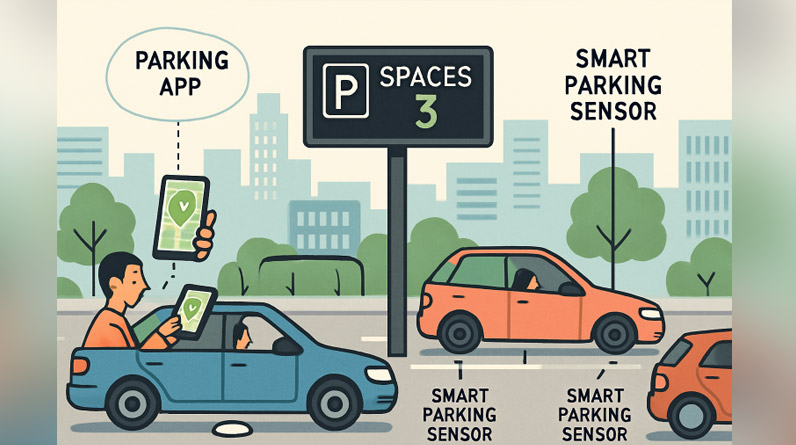
IoT sensors embedded in parking spaces transform lots and garages into interactive urban resources. These devices monitor whether spaces are occupied and feed their status to networked platforms that share information with drivers and central systems. In-app guidance shows users the nearest available spot, eliminating inefficient behaviors like circling blocks or double parking. Moreover, aggregated sensor data provides city officials with insight into usage trends, helping guide future infrastructure investments and policies. According to Forbes, smart parking systems are now critical in balancing urban development with sustainability targets, making real-time data as valuable as the spaces themselves.
Cloud-Based, Mobile-First Solutions
The shift to cloud and mobile platforms has empowered cities and users alike. Through cloud-based management, parking authorities can quickly scale operations, push updates, and synchronize with other mobility services, including mass transit and rideshare networks. For drivers, mobile-first experiences provide seamless access to current availability, digital reservations, and contactless payment—all from a smartphone. These apps also enable special features, like alerts when parking expires and options to extend time without returning to the vehicle, transforming daily commuting experiences.
Automated Enforcement and Security
Maintaining compliance is easier and more accurate with automation and smart surveillance. License plate recognition (LPR) cameras, in combination with AI-driven enforcement, track parking usage, identify violations, and support secure entry and exit at parking facilities. Automated enforcement reduces the potential for human error, increases collection of fines, and deters unauthorized parking—all without extensive staffing. These technologies also support safer environments by providing detailed activity logs and integrating with broader public safety networks.
Sustainability and Smart City Integration
Smart parking’s relationship with sustainability is increasingly vital in modern city planning. Integration with electric vehicle (EV) charging stations supports growing environmental mandates and encourages cleaner transportation. Data sharing across city systems helps manage curb usage, synchronize with public transit, and provide resources for future expansion. The construction of green roofs and permeable lots further enhances environmental impact, reducing heat islands and managing stormwater runoff. These features collectively make cities more livable and resilient.
Case Studies of Successful Implementations
Real-world results demonstrate the effectiveness of smart parking systems. Barcelona’s Smart Parking Program combines IoT sensors with user-friendly mobile apps, guiding drivers to open spaces and alleviating congestion. In San Francisco, the SFpark initiative uses dynamic pricing and real-time data, resulting in a 30% decrease in parking-related traffic and significant emissions reductions. Singapore’s national strategy leverages sensors, automated billing, and digital navigation as part of its wider smart nation initiative, delivering both convenience and sustainability to its residents and visitors.
Future Trends in Smart Parking
The coming years will bring even more intelligent parking systems. Future platforms will use AI and machine learning to anticipate demand based on patterns, event schedules, and environmental conditions. Growth in electric vehicles will make coordinated parking and charging crucial for reducing range anxiety. As self-driving cars become more prevalent, parking infrastructure will need to communicate directly with automated vehicles, directing them to available docking and charging points. This ongoing innovation will help cities design more responsive, efficient, and green transportation systems, reinforcing the central role of smart parking in urban futures.
Implementing these innovations is vital for any city seeking to improve mobility, reduce emissions, and enhance the daily lives of residents. Modern smart parking is about more than convenience—it is critical urban infrastructure that supports smarter, more sustainable communities.