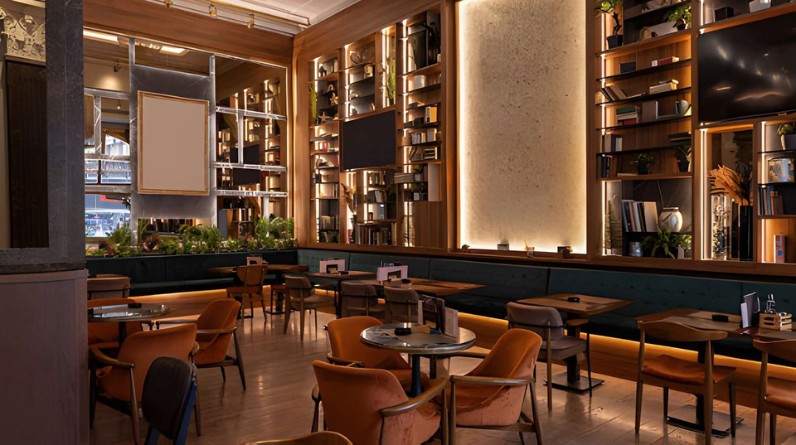
A restaurant seat is not just a place where someone sits. It is a small revenue position inside the dining room. Every hour it is available, it either helps the business earn more or quietly limits what the room can produce.
That is why the choice between custom restaurant booths and standard seating should not be judged only by purchase price. Chairs and loose tables may cost less upfront and offer more flexibility, but booths can affect comfort, ordering behavior, guest perception, and the efficiency of certain areas of the dining room.
The real question is not which option looks better. The better question is this: which seating type helps each guest generate more value while they occupy the space?
In a competitive restaurant market, small revenue differences matter. A few more dollars per guest can add up to a major amount when repeated across daily covers, weekend rushes, and full operating years.
Seat Count Does Not Tell the Whole Story
Many restaurant owners start with the seat count. They wonder how many seats, tables, booths, and bar stools will fit in the room. That is satisfactory, but not the whole story.
More seats in a dining room don’t automatically translate into more dollars. Extra capacity won’t help if guests are crammed in, staff can’t get around, tables turn poorly, or some seats are unattractive.
Standard seating usually wins on flexibility. Tables are movable, chairs are interchangeable, and the area can be configured for parties of different sizes. Perfect for cafés, fast service concepts, breakfast places, casual lunch restaurants, and spaces that frequently change their configuration.
Custom booths are a different story: They carve out purposeful, definite zones. A booth along a wall can make the periphery warmer. A corner booth may turn problematic space into pleasant seating. A banquette can add seating space and keep the area looking neat.
Adding more seats is not always worth the cost of a booth. Sometimes it is about making every seat feel more valuable.
Why Guests Often Behave Differently in Booths
Guests do not always explain why they like booths, but the reason is usually easy to see. Booths feel more private. They create a sense of comfort and separation from the room’s movement.
That feeling can affect spending.
A guest who feels settled may be more likely to order an appetizer, another drink, dessert, or coffee. A couple may stay more relaxed. A family may feel more contained. A group of friends may feel more comfortable ordering a full meal instead of rushing through the visit.
Standard seating can encourage faster movement, which is useful in high-turnover restaurants. But for many casual dining rooms, lounges, brunch restaurants, hotel restaurants, and neighborhood concepts, comfort can support a stronger average check.
The difference does not need to be dramatic. If booth seating increases average spend by only a few dollars per guest, the annual impact can become meaningful.
For example:
- A $2 increase per guest across 120 guests per day equals $240 in added daily revenue.
- Over 300 operating days, which amounts to $72,000 in additional annual sales.
- Even if only part of that increase comes from seating comfort, the decision becomes worth measuring.
That is why per-guest revenue matters more than the furniture invoice alone.
Where Standard Seating Still Makes Sense
Booths are not always the preferred option. In certain establishments, regular seating is the smarter financial play.
Loose tables and chairs are easy to move as the consumer mix changes. The restaurant can seat two tops for lunch, combine tables for families for dinner, and reorganize the room for private occasions. That flexibility can help protect revenue in situations of volatile demand.
New restaurants can also test their layout with standard seating. Movable seating provides additional opportunities to adapt if the owner is still learning how guests use the room. Installing a fixed booth layout takes more confidence.
Loose seats also help make cleaning and upkeep easier. Staff can rearrange seats, make it easier to access the floor, and replace broken sections individually.
Standard seating may also help facilitate faster turnover in fast-paced restaurants. Guests sit, eat, and go, without feeling too connected to the area. In that scenario, speed can trump comfort-driven check growth.
Where Custom Booths Can Pull Ahead
Custom booths make a stronger case for restaurants that rely on ambiance, visitor comfort, and a controlled arrangement.
A well-placed booth may make a dining area feel more ordered. It cuts down the visual clutter of seats out of place and tables out of line. It can also help direct traffic, offering clearer pathways for both guests and servers.
Booths can often be particularly effective around walls, windows, corners, and extended perimeters. A booth can make these rooms feel intentional, while loose tables might make them seem weak.
There are three key sources of income value: comfort, perception, and space control.
Comfort improves guest satisfaction. The restaurant can feel more refined by perception. Space control can help the owner use hard square footage more effectively.
That mix can make the earning power of seats that otherwise might seem mediocre.
The Time Customers Stay Has to Match the Concept
One thing to remember is dwell time. A booth will make your guests want to remain longer. This might be a good or a terrible thing.
The longer the stay in a supper restaurant, steakhouse, lounge, or full-service concept, the larger the check will be. Guests may order another round, share a dessert, or enjoy the dinner at their own pace.
In a fast-lunch model, that same longer stay may affect income because fewer customers can use the table during peak hours.
That’s why one doesn’t aim for maximal comfort at any cost. The goal should be comfort at a profit.
The booth ought to explain how the restaurant makes money. The seat depth, back height, table size, aisle spacing, upholstery, and placement all determine whether the booth assists or slows the room.
A Simple Revenue Comparison
Imagine a restaurant serves 150 dinner guests with an average check of $30. That creates $4,500 in dinner revenue.
If a better booth layout raises the average check by only $2 per guest, dinner revenue rises to $4,800.
That is $300 more per dinner service.
Over five dinner services per week, that comes to $1,500. Across 50 weeks, it becomes $75,000.
The booth investment now looks very different.
This does not mean every restaurant will see that result. It means seating should be studied as part of a revenue strategy rather than treated as decoration.
The Smarter Way to Choose
The best seating decision starts with the restaurant’s business model. Owners should compare custom booths and standard seating by considering how each option affects the entire dining room.
Important questions include:
- Which seats do guests request most often?
- Which sections have the highest average check?
- Which tables turn too slowly?
- Which areas feel uncomfortable or underused?
- How much flexibility does the restaurant really need?
- How much will maintenance cost over several years?
These questions create a clearer picture than price alone.
The Seat Has to Earn Its Place
Custom restaurant booths can support higher per-guest revenue by improving comfort, atmosphere, and space efficiency. They can make certain areas more desirable and help guests feel more settled, which may support stronger ordering behavior.
Standard seating still has real advantages. It is flexible, easy to rearrange, and often better for fast-moving restaurants or spaces with changing layouts.
The strongest choice depends on how the restaurant earns money. If speed and flexibility matter most, standard seating may win. If comfort, atmosphere, and check growth matter more, custom booths may have a stronger long-term case.
A profitable dining room is not only about fitting in more people. It is about making every seat earn its place.