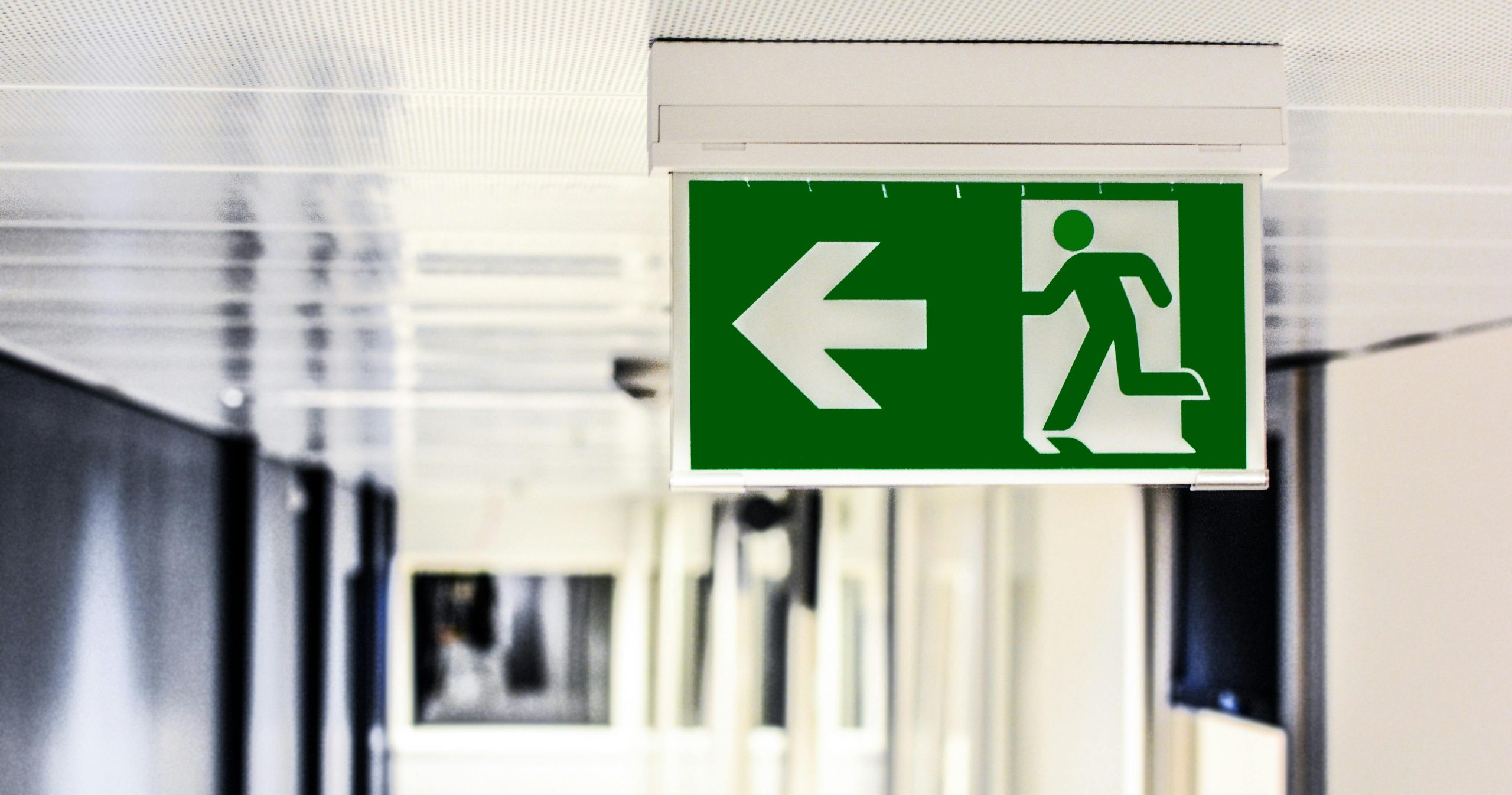
Emergency evacuation plans are necessary for commercial properties, offices and public facilities. Many businesses create general safety procedures but these strategies are often insufficient for the specific needs of people with disabilities. Individuals with mobility, hearing, visual or cognitive impairments are at risk during fires, power outages, severe weather or security threats if procedures are not appropriate.
Developing safer plans involves more than displaying exit maps. Owners and managers are responsible for evaluating barriers, communication techniques, staff roles plus equipment to ensure everyone is safe. A comprehensive plan is helpful for safety outcomes, legal requirements and the reduction of liability.
Understanding Accessibility Risks During Emergencies
Procedures are often based on the assumption that all people move quickly, hear alarms and understand instructions – these assumptions are dangerous for individuals with disabilities. Routes that only use stairs, unclear announcements but also inaccessible shelters are obstacles to a safe exit.
Owners are responsible for assessing how emergencies affect individuals with different needs. People who use wheelchairs are often in need of evacuation chairs or areas of refuge. Individuals with hearing impairments are more secure with visual alarms and text based tools. Identifying these risks is the first step in creating a reliable strategy.
Reviewing Building Layout & Exit Accessibility
A detailed review of the building is the start of an effective plan. Exit routes are required to be clear of objects that block movement. Ramps, handrails, lighting and automatic systems are essential for safety.
Older properties are sometimes in need of updates – Managers are responsible for checking if elevators, exits as well as refuge areas meet current standards. Consulting with disability lawyer Toronto is a way to identify concerns regarding accessibility laws.
Creating Clear Communication Procedures
Communication is vital during an emergency – Standard alarms are not always sufficient for every person. Systems are more effective when they include both sound and visual alerts so that information is available to everyone.
Instructions are best when they are simple – Technical language is often confusing during stressful events. Managers are able to improve communication – using signs, maps, text systems and staff members who are trained to assist others.
Training Staff & Emergency Coordinators
Plans are only effective if staff members are ready – Employees, security teams or managers are responsible for knowing how to assist people with disabilities safely. Training includes learning about evacuation steps, communication, equipment and specific duties.
Regular drills are necessary to confirm that procedures are functional. Practice is a way to find blocked paths or delays that are not visible during planning. Occupants are encouraged to provide feedback after drills so that safety methods are improved.
Using Accessible Emergency Equipment
Equipment is an important part of evacuation safety – Buildings are safer when they contain tools for different mobility and communication needs. Evacuation chairs, backup lights next to accessible alarms are tools that improve response times.
Devices are required to be accessible and functional – Equipment that is locked away or not tested is unreliable. Property managers are responsible for inspection schedules and for ensuring staff are able to use specialized tools correctly.
Coordinating With Tenants & Occupants
Commercial buildings are often home to many businesses with different visitors plus employees. Owners are more effective when they work with tenants to identify people who need extra support – this cooperation ensures that plans are practical for all occupants.
Tenants are responsible for understanding their roles in the safety strategy. Clear communication between landlords and tenants is a way to avoid confusion. Sharing contact details and accessibility information in advance is a method to strengthen building safety.
Maintaining & Updating Emergency Plans
Evacuation planning is a continuous process – Building conditions, the number of occupants but also laws are subject to change. Regular reviews are a way for owners to find outdated information or damaged equipment before an emergency.
Owners are responsible for staying informed about legal duties regarding accessibility. Updating plans after renovations or inspections is a way to maintain compliance. A current evacuation strategy is a sign of a commitment to safety and professional management.