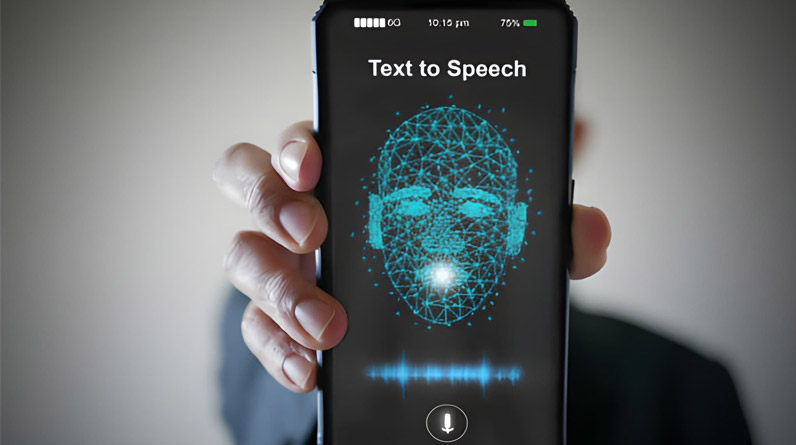
One of the leading digital communication innovations is the advancement of text to speech technology. It was once simply thought of as an assistive technology as the development of text to speech tools was used mostly to help exert cognitive load on an individual’s reading process. Text to speech technology is now a tool that can enhance an individual’s information consumption, content engagement, and digital interaction across a wide spectrum of platforms. Text to speech technologies in websites, apps, education, marketing, and customer service are revolutionizing communication by increasing inclusion, efficacy, and engagement. As users of modern technology continue to seek the speed and adaptability to access information, text to speech is fundamental to digital formats to meet modern demands.
Text to Speech in Digital Communication
The primary function of text to speech in digital communication is to enhance accessibility and convenience. Text to speech technologies allow written content to be converted seamlessly into spoken discourse. This is particularly helpful for blind and visually impaired individuals, persons with reading and learning disabilities, and individuals with limited or no proficiency in the language of the text. In addition to accessibility, text to speech provides a means for individuals to accomplish multiple tasks. When multitasking, one can choose to have text read to them while driving, working, exercising, etc. Text-To-Speech technology is an obvious necessity in today’s digital communication, as audio content along with visual communication provides text a higher level of interaction and engagement.
AI Voice Generators Improving User Engagement
voice characters have been improving for some time now. Today’s veins are more human-like, and allow for more engaging interactions. Businesses and content creators rely on these advanced voices for audience engagement, be it narrated, articles, multimedia learning applications, videogames, etc. text to speech with ai voices makes audience retention more conversational.
Text to Speech Technology and Passion-Based Teaching
The integration of text to speech technology with education has been a trend for the past few years. Textbooks and other learning study resources can be accompanied with a voice character that reads the text. lessons can be more freely and inclusively distributed to any audience. This technology has been proven to support a variety of learning paces and styles, and auditory learners. It can also assist in improving pronunciation and comprehension. Deficiencies in reading or other physical limitations are also overcome in the online learning environments using these voice generators.
AI and Voice Generators Improving Business Communication
The ai voice generator has automated and improved how businesses communicate with their customers. The use of text to speech technologies is being integrated by companies in virtual assistants, automated customer service, and voice applications. The advantages of these technologies are faster response time and customer satisfaction, and lower operational costs. The use of text to speech technologies improve business communications in different countries by delivering consistent, clear, and professional voice messages in different languages.
Text to Speech in Marketing and Content Creation
There are new opportunities text to speech technologies offer to marketers and content creators. Companies can make audio for their blog posts, educational articles, and social media posts for customers who would rather listen than read. With text to speech technologies, marketers create voice ads, audio for podcasts, and videos more easily. The use of text to speech technologies improves customer engagement, makes content more accessible, and allows companies to enhance their content strategies.
Digital Communication and Text to Speech
With technology continuously improving, so will the user experience with Text-to-Speech. Advanced voice customization, along with the ability to detect emotional tone, will foster more human-like communication. Text-to-Speech will also integrate seamlessly with smart devices, virtual reality, and artificial intelligence, allowing communication to become much less complicated and more consumption focused.
Final Thoughts
Streamlining interaction, increasing engagement, and improving accessibility, Text to Speech is a powerful tool for improving digital communication. Breaking communication barriers through experience enhancement and user-centered communication design, Text to Speech is becoming an integral component of communication in the digital age as ai voice generator technology continues to evolve. Text to Speech is revolutionizing digital communication and will continue to transform the communicative landscape as the demand for text to audio content continues to rise.