Squint eye surgery, also known as strabismus surgery, is performed to correct misalignment of the eyes. In people with squint (strabismus), the eyes do not move together in proper coordination. One eye may turn inward, outward, upward, or downward, affecting appearance and sometimes vision.
Surgical correction helps align the eyes by adjusting the muscles responsible for eye movement. Understanding the recovery process and expected results can reduce anxiety and help patients prepare for the healing phase.
Understanding Squint (Strabismus) and Why Surgery Is Needed
Strabismus occurs when eye muscles fail to work together properly. This can lead to:
- Double vision
- Reduced depth perception
- Eye strain
- Head tilting
- Amblyopia (lazy eye) in children
In some cases, glasses or patching may correct alignment. However, surgery is recommended when muscle imbalance persists or affects vision significantly.
Squint surgery involves tightening, loosening, or repositioning one or more eye muscles to improve alignment.
What Happens During Squint Eye Surgery?
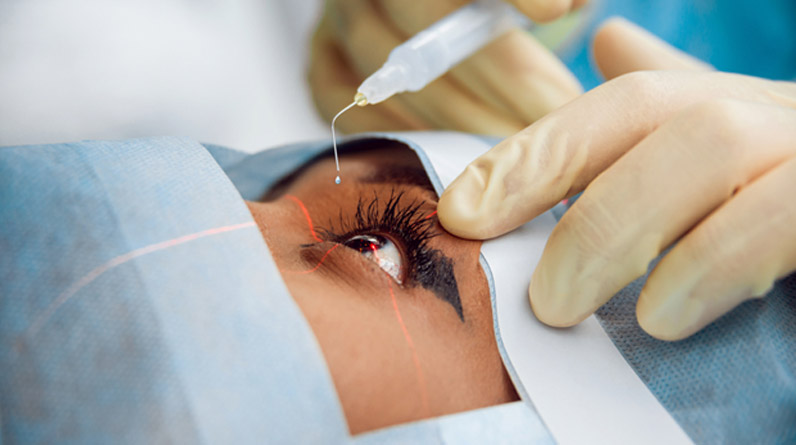
Squint surgery is usually performed under general anesthesia in children and local or general anesthesia in adults. The surgeon makes a small incision on the white part of the eye (conjunctiva) to access the eye muscles.
The procedure does not involve removing the eyeball. Instead, the muscles are adjusted to restore balanced movement.
Most surgeries are completed within one to two hours, and patients usually return home the same day.
Immediate Recovery After Squint Surgery
Recovery begins immediately after the procedure. Patients may notice:
- Redness in the eyes
- Mild swelling
- Watering or discharge
- Temporary blurred vision
- Mild discomfort or soreness
These symptoms are common and usually improve within a few days to weeks.
Managing Pain and Discomfort
Pain is generally mild and manageable with prescribed medications. Cold compresses may help reduce swelling and irritation.
Healing Timeline After Squint Eye Surgery
First Few Days
- Redness and mild swelling are common
- Eyes may feel scratchy or sensitive to light
- Rest is recommended
First Two Weeks
- Gradual improvement in alignment
- Reduced redness
- Follow-up visit with the surgeon
Four to Six Weeks
- Most healing is complete
- Final alignment becomes more noticeable
- Visual function stabilizes
Full healing may vary depending on age, severity of misalignment, and overall eye health.
In Chandigarh, individuals considering the best squint eye surgery in Chandigarh commonly discuss postoperative care plans and expected alignment results before scheduling the procedure.
Vision Changes After Surgery
Improved Eye Alignment
The primary goal of squint surgery is cosmetic and functional alignment. Most patients experience visible improvement in eye position.
Binocular Vision and Depth Perception
In some cases, especially when treated early in children, surgery can improve binocular vision (both eyes working together).
Adults who have had long-standing squint may not regain full binocular function but may experience cosmetic improvement and reduced double vision.
Temporary Double Vision
Some patients may notice temporary double vision after surgery as the brain adjusts to the new eye alignment. This usually resolves over time.
Risks and Possible Complications
Squint surgery is generally safe, but like all surgical procedures, it carries some risks.
Potential complications include:
- Infection
- Overcorrection or undercorrection
- Persistent double vision
- Need for additional surgery
Careful surgical planning and follow-up reduce these risks significantly.
Postoperative Care and Precautions
Eye Drops and Medications
Doctors usually prescribe antibiotic and anti-inflammatory eye drops to prevent infection and reduce swelling.
Activity Restrictions
Patients are usually advised to:
- Avoid swimming for at least two weeks
- Avoid rubbing the eyes
- Limit strenuous activity during early recovery
Children may return to school within a few days, depending on comfort levels.
Follow-Up Appointments
Regular follow-ups allow the surgeon to monitor healing and assess alignment progress.
Long-Term Results After Squint Eye Surgery
Cosmetic Improvement
Most patients experience significant cosmetic improvement, which may enhance confidence and social comfort.
Functional Improvement
Improved alignment may reduce eye strain and improve visual coordination. Early treatment in children increases the likelihood of better visual outcomes.
Possibility of Additional Surgery
In some cases, especially with severe or complex strabismus, additional procedures may be required to achieve optimal alignment.
Factors That Influence Surgical Outcomes
Several factors affect recovery and results, including:
- Age at time of surgery
- Duration of misalignment
- Type of squint
- Overall eye health
- Compliance with postoperative care
Early intervention usually leads to better long-term visual development in children.
When to Contact Your Doctor After Surgery
Seek medical attention if you notice:
- Severe pain
- Sudden vision loss
- Increasing redness or discharge
- Fever
- Persistent double vision
Prompt evaluation helps prevent complications.
Frequently Asked Questions
How long does it take to fully recover from squint eye surgery?
Most patients recover within four to six weeks. Redness and mild swelling improve gradually, while final alignment results become more noticeable as healing progresses. Follow-up visits ensure proper recovery and monitor eye muscle adjustment.
Is squint eye surgery painful?
The procedure itself is painless due to anesthesia. After surgery, mild discomfort, redness, or a scratchy sensation may occur, but these symptoms are usually manageable with prescribed medications and improve within a few days.
Can squint return after surgery?
In some cases, misalignment may recur over time, especially if the condition was severe or present for many years. Additional treatment or surgery may be necessary depending on individual healing and muscle response.
Will glasses still be needed after surgery?
Yes, some patients may still require glasses for refractive errors such as nearsightedness or farsightedness. Surgery corrects alignment but does not always eliminate the need for vision correction.
Is squint surgery safe for children?
Squint surgery is generally safe for children when performed by experienced eye specialists. Early treatment may improve both cosmetic appearance and visual development, reducing the risk of long-term vision complications.
Conclusion
Recovery after squint eye surgery is usually smooth, with most patients experiencing improved eye alignment and minimal discomfort. Understanding the healing process, potential risks, and expected results helps patients and families feel prepared and confident.
With proper postoperative care and specialist guidance, squint eye surgery can significantly enhance both visual function and cosmetic appearance, improving overall quality of life.