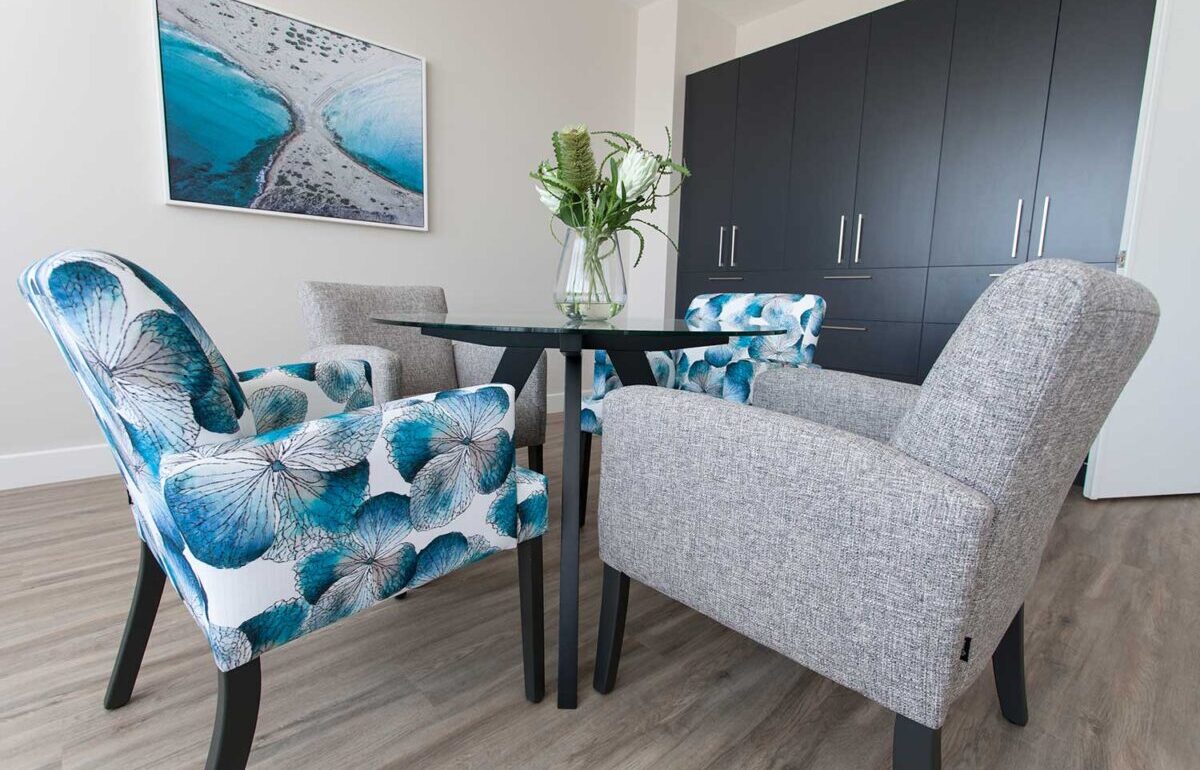
Comfort in senior living communities is not a luxury. It is a daily necessity. Every chair in a dining hall, lounge, activity room, or private suite plays a role in safety, dignity, and long-term well-being. When families tour assisted living facilities or memory care centers, they may notice artwork, lighting, or friendly staff first. Yet the quality of the seating quietly shapes how residents feel hour after hour.
Across the United States, more than 30 million adults are 65 or older, and that number continues to grow each year. With senior housing occupancy rates steadily recovering and new communities opening nationwide, operators are under increasing pressure to meet higher expectations. In this environment, premium quality senior living chairs have become essential components of thoughtful design, combining structural durability, ergonomic support, and easy maintenance. Furniture, especially chairs designed specifically for older adults, must meet commercial standards that go far beyond basic residential requirements.
Understanding these standards helps operators protect residents, control costs, and create spaces that truly support aging with comfort and confidence.
Structural Integrity and Weight Capacity Requirements
Senior living chairs must meet strict durability benchmarks. Unlike residential chairs that may see limited daily use, commercial chairs in assisted living and skilled nursing facilities can be used for 10 to 14 hours a day.
Most high quality senior living chairs are built to meet or exceed industry performance tests such as BIFMA standards. These tests measure structural strength, stability, and resistance to repeated stress. In practice, that means:
- Weight capacities often range from 300 to 500 pounds to accommodate diverse residents.
- Reinforced joints and heavy duty fasteners prevent loosening over time.
- Hardwood or steel frames are engineered to withstand thousands of sitting cycles.
Chairs that fail to meet these standards can wobble, crack, or collapse, increasing liability risks. For operators, investing in contract grade construction reduces replacement frequency and lowers long term costs. For residents, it provides a stable and secure seating experience every day.
Ergonomic Design That Supports Aging Bodies
Aging changes posture, muscle strength, and balance. Quality senior living chairs are designed with these realities in mind.
Seat height is one of the most critical measurements. Standard residential dining chairs are often around 18 inches high. Senior living models frequently range from 18 to 20 inches to make standing and sitting easier for residents with limited mobility. A slightly higher seat reduces strain on knees and hips.
Armrests are another essential feature. They must be positioned at a height that allows residents to push up safely when standing. Properly designed armrests support weight without flexing and are spaced to accommodate wider body types without feeling restrictive.
Backrests are typically contoured to promote upright posture. Lumbar support helps reduce fatigue during long meals or social activities. In memory care settings, clear and supportive seating can even reduce restlessness by offering physical reassurance.
Thoughtful ergonomic design directly impacts resident independence. When chairs assist rather than challenge movement, staff interventions decrease, and confidence increases.
Infection Control and Cleanability Standards
Senior living communities must maintain rigorous hygiene protocols. Upholstery and surface materials must support infection control strategies.
Commercial senior living chairs often use healthcare-grade vinyl or performance fabrics that are moisture-resistant and easy to disinfect. These materials are tested to withstand repeated cleaning with hospital-grade solutions without cracking, fading, or peeling.
Seam construction also matters. Minimizing deep creases and exposed staples reduces areas where bacteria or debris can accumulate. Some chairs feature removable seat cushions for easier deep cleaning.
In environments where residents may have compromised immune systems, thoroughly sanitizing furniture is not optional. It is a core operational requirement that protects both residents and staff.
Stability, Anti-Tip Features, and Floor Safety
Falls remain one of the leading causes of injury among older adults in the United States. According to national health data, millions of seniors experience falls each year, and many occur during transitions such as sitting down or standing up.
High-quality senior living chairs are designed with stability in mind. Wider bases, balanced weight distribution, and non-slip floor glides reduce the risk of tipping. Some models are slightly heavier than residential chairs to prevent sliding when residents apply pressure to armrests.
Floor glides must also be carefully selected. In dining rooms with hard flooring, protective glides prevent scratching while maintaining grip. In carpeted lounges, different glide styles may be required to ensure smooth, stable movement.
Every detail contributes to fall prevention. A well-designed chair supports safe movement rather than creating hidden hazards.
Fire Safety and Regulatory Compliance
Commercial furniture in senior housing must meet fire safety regulations that differ from those applied to private homes. Upholstered seating is typically required to comply with standards such as CAL 117 or similar flammability requirements.
These regulations test how materials respond to open flame or smoldering ignition sources. High-quality senior living chairs use fire-retardant foams and fabrics that meet mandated safety thresholds.
Compliance is not simply about passing inspections. It protects residents in environments where evacuation may take longer due to mobility challenges. Operators who invest in compliant furniture demonstrate a commitment to safety at every level.
Design Considerations That Enhance Well-Being
Beyond technical standards, design plays a powerful role in senior living environments. Research consistently shows that the environment influences mood, appetite, and social engagement.
Color contrast between chairs and flooring can help residents with visual impairments navigate spaces more easily. Supportive, comfortable seating encourages longer participation in communal meals, which are closely tied to nutritional health.
Communities that upgrade to purpose-built senior living settings often report fewer maintenance calls and higher satisfaction during family tours. As occupancy competition increases, furniture becomes part of the brand experience.
In fact, the senior housing industry represents billions of dollars in annual investment, with new developments prioritizing hospitality inspired interiors. Quality chairs are no longer viewed as simple functional items. They are strategic assets that communicate care, stability, and professionalism.
Long Term Cost Efficiency and Lifecycle Planning
Budget decisions in senior living must balance upfront costs with lifecycle value. Lower priced residential chairs may appear economical initially, but frequent replacements quickly erode savings.
Commercial grade senior living chairs are engineered for longevity. With reinforced frames, durable finishes, and replaceable components, many models remain in service for years longer than residential alternatives.
Operators also consider warranty coverage, availability of replacement parts, and consistency of product lines for phased renovations. Standardizing on reliable chair models simplifies maintenance and reduces downtime in busy dining rooms or activity areas.
When analyzed over a five- to ten-year horizon, higher-quality chairs often deliver a stronger return on investment through reduced breakage, lower liability exposure, and fewer disruptions to residents.
Where Safety, Comfort, and Business Strategy Meet
Senior living chairs sit at the intersection of healthcare standards and hospitality expectations. They must meet structural testing, ergonomic criteria, infection control requirements, fire regulations, and aesthetic goals simultaneously.
In a sector serving a rapidly expanding aging population, quality is not optional. Every specification, from seat height to upholstery performance, directly affects daily life inside a community.
For operators, investing in chairs built to commercial standards protects residents, supports staff efficiency, and strengthens brand perception. For families, it offers visible reassurance that their loved ones are surrounded by thoughtful design and reliable support.
When seating is engineered with intention and built to professional benchmarks, it becomes more than furniture. It becomes a foundation for dignity, safety, and long-term success in senior living environments.