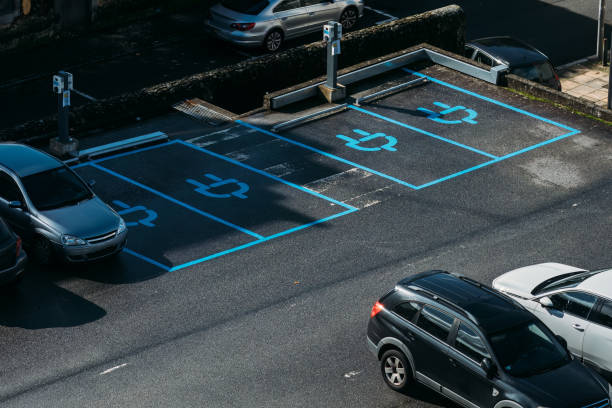
The electric vehicle (EV) revolution is no longer a distant future—it’s here. With governments worldwide setting ambitious targets to phase out internal combustion engines and consumers increasingly opting for cleaner transportation, the demand for EV charging infrastructure is surging. For entrepreneurs and businesses, this presents a significant opportunity. However, operating a successful EV charging station requires more than just installing a plug. It involves strategic planning, understanding technology, navigating regulations, and delivering an exceptional customer experience. This guide provides a comprehensive roadmap to help you enter and thrive in the EV charging industry.
Understanding the EV Charging Station Business Model
Before investing, it’s crucial to grasp the core business models. There are three primary approaches:
- Own and Operate: You finance, own, and manage the charging stations. This model offers higher revenue potential and asset ownership but comes with upfront capital costs and operational responsibilities.
- Host-Partner: You provide the land or parking space (e.g., a supermarket, hotel, or office park), and a charging network operator handles the installation, maintenance, and customer service. Revenue is typically shared, reducing your risk and workload.
- Network Franchise: You purchase or franchise charging hardware from an established network, leveraging their brand, software, and support while retaining local operational control.
Your choice depends on your capital, risk tolerance, and desired level of involvement. Key revenue streams include energy fees (per kWh or per minute), session or idle fees, membership subscriptions, and ancillary revenue from retail or amenities at your location.
Choosing the Right Location for Charging Stations
Location is the single most critical factor for success. A prime location ensures high utilization rates. Key considerations include:
- High Visibility and Traffic: Sites along major highways, near interstate exits, or in dense urban corridors are ideal for DC fast chargers. For destination charging (AC), consider locations where drivers spend 30+ minutes, such as shopping malls, grocery stores, restaurants, cinemas, and hotels.
- Demand Analysis: Use data on local EV registrations, existing charging station density, and traffic patterns. Tools like the U.S. Department of Energy’s Alternative Fuels Data Center maps can provide valuable insights.
- Accessibility and Amenities: Ensure 24/7 access, safe lighting, and clear signage. Proximity to amenities (restrooms, coffee shops, Wi-Fi) greatly enhances customer experience and dwell time.
- Grid Capacity: Early discussions with the local utility are essential to assess power availability and avoid costly grid upgrades.
Selecting AC and DC Chargers for Your Business
Choosing the correct charger types balances cost, speed, and customer needs.
- Level 2 AC Chargers (Slow/Fast): These are the workhorses for destination charging. They require 240V connections (like a dryer outlet) and deliver 10-80 miles of range per hour. They are more affordable to purchase and install, ideal for workplaces, apartments, and retail where cars park for extended periods.
- DC Fast Chargers (DCFC) and Ultra-Fast Chargers: These are essential for en-route charging. They can deliver 60-200+ miles of range in 20-30 minutes. While significantly more expensive (hardware and installation can be 10x the cost of Level 2), they command higher prices per kWh and are critical for attracting travelers. Consider future-proofing by selecting chargers with power levels of 150kW or higher.
A balanced site often includes a mix of both—DCFC for quick turnover and Level 2 for longer stays.
Installation, Grid Connection, and Compliance Requirements
This phase is complex and requires careful project management.
- Site Design & Permitting: Work with civil and electrical engineers to design the layout. You’ll need to secure construction, electrical, and possibly environmental permits from local authorities.
- Utility Interconnection: This is a major step. Submit a formal application to your utility for a new service connection or upgraded capacity. This process can take several months and may involve demand charges—fees based on your peak power draw—which must be factored into your pricing model.
- Installation & Commissioning: A qualified electrical contractor must handle the installation, including trenching, conduit, transformer placement (for DCFC), and station mounting. After installation, the hardware and software are tested and commissioned.
- Compliance & Incentives: Ensure compliance with national standards like NFPA 70 (National Electrical Code) and ADA accessibility requirements. Crucially, research available incentives, such as the U.S. federal government’s NEVI program and numerous state-level grants, which can offset 30-80% of costs.
Pricing Strategies and Revenue Streams
Developing a dynamic and competitive pricing strategy is key to profitability.
- Pricing Models:
- Per Kilowatt-hour (kWh): The most transparent and common model, directly tying cost to energy delivered. (Note: Some states only allow utilities to sell by kWh, restricting third-party sales).
- Per Minute: Often used where billing by kWh is not permitted. Rates can vary based on charging speed.
- Session or Flat Fees: A simple model but can be less attractive for short sessions.
- Idle Fees: Crucial for maximizing station turnover once a vehicle is fully charged.
- Maximizing Revenue: Implement tiered pricing for members vs. non-members. Offer subscription plans for frequent users. Utilize a Cloud-Based Charging Station Management System (CSMS) to remotely control pricing, manage energy use, and offer seamless payment options (RFID cards, mobile apps).
- Ancillary Revenue: Partner with adjacent businesses. Offer premium services like reserved parking, or generate advertising revenue on charger screens.
Operations, Maintenance, and Customer Experience
Reliability is the currency of the EV charging business. A non-functional charger loses revenue and damages your brand.
- Operations: Your CSMS is your command center. Use it to monitor station status in real-time, diagnose faults remotely, generate usage reports, and process payments.
- Maintenance: Proactive maintenance prevents failures. Schedule regular inspections of cables, connectors, and screens. Have clear service-level agreements (SLAs) with maintenance providers for rapid repairs. A station uptime of 95-98% should be the target.
- Customer Experience: This is your biggest differentiator.
- Software: Offer a user-friendly mobile app with features like real-time status, reservations, and easy payment.
- Support: Provide 24/7 customer support via phone or in-app chat.
- Feedback: Actively solicit and respond to user reviews on platforms like PlugShare. A clean, safe, and well-lit site with clear instructions will earn loyal customers.
Conclusion
Operating an EV charging station business is a forward-looking venture that combines real estate, technology, energy, and customer service. Success hinges on a strategic location, the right mix of reliable hardware, a smooth installation process compliant with regulations, and a dynamic pricing model powered by robust management software. Most importantly, it depends on an unwavering commitment to reliability and customer experience. By meticulously planning each step—from selecting a business model to maintaining happy customers—you can build a profitable and sustainable business that powers not just electric vehicles, but also the clean transportation ecosystem of tomorrow. The road ahead is electric, and the opportunity to build its essential infrastructure is now.