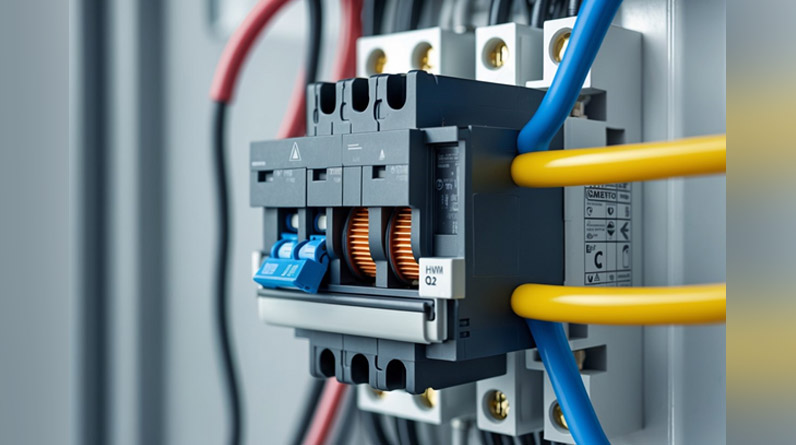
When it comes to electrical safety, understanding how devices function is crucial. A miniature circuit breaker (MCB) is an essential component in modern electrical systems, designed to protect circuits from damage due to overloads or short circuits. It automatically interrupts the flow of electricity when it detects excessive current, ensuring the safety of both people and appliances.
The operation of an MCB is based on a bimetallic strip and an electromagnetic mechanism. When the current exceeds a safe level, these mechanisms operate together to trip the breaker and interrupt the power supply. This feature makes MCBs more reliable than traditional fuses, which need to be replaced after a fault occurs. By resetting the MCB, users can quickly restore power without worrying about the risks associated with damaged wiring.
Understanding the inner workings of an MCB not only aids in choosing the right device for various applications but also enhances safety awareness in electrical environments. Whether for home use or industrial applications, knowing how these devices operate allows for informed decisions that promote electrical safety.
Working Principle of Miniature Circuit Breakers
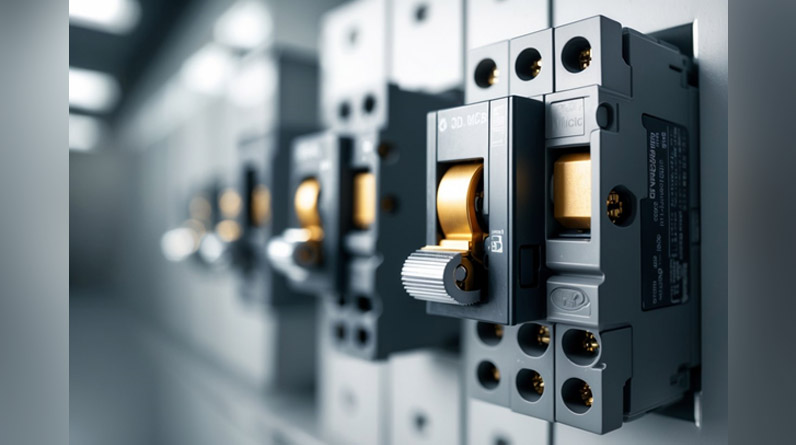
The miniature circuit breaker (MCB) is designed to protect electrical circuits by automatically switching off when a fault occurs. It operates through two primary mechanisms: thermal tripping and magnetic tripping. Each of these processes ensures the MCB responds quickly to various electrical issues, safeguarding both the circuit and connected devices.
Thermal Tripping with Bimetallic Strip
Thermal tripping operates based on a bimetallic strip within the MCB. This strip consists of two different metals that expand at different rates when heated. When an overload current passes through the MCB, the bimetallic strip heats up and bends due to increased temperature.
Once the temperature exceeds a certain threshold, the bending action causes the strip to displace a latch mechanism. This action effectively separates the contacts, interrupting the circuit and stopping the flow of electricity. This method protects the circuit from damage due to prolonged overloads.
A key advantage of this approach is its reliability in detecting minor overloads, preventing potential hazards in electrical systems.
Magnetic Tripping for Short Circuits
Magnetic tripping responds to short circuit conditions using an electromagnetic mechanism. When a short circuit occurs, the current surges dramatically, creating a strong magnetic field around a solenoid coil.
This magnetic field actuates a plunger, which is attached to a trip lever. The sudden movement of the plunger releases the latch mechanism, causing the circuit contacts to open almost instantly. This rapid response prevents further damage to the wiring and connected devices.
Magnetic tripping is particularly effective for immediate high-current faults, ensuring that the MCB acts quickly to protect against potential fire hazards.
Trip Mechanism Operation
The trip mechanism combines both thermal and magnetic functionalities to ensure comprehensive protection. In most designs, the MCB includes a trip unit that comprises the bimetallic strip and solenoid coil.
When either the thermal or magnetic condition is met, the trip mechanism activates. For example, during overload, the bimetallic strip bends and triggers the latch. Conversely, in case of a short circuit, the solenoid’s magnetic force moves the plunger, releasing the latch.
This dual action provides a reliable protection method of circuit protection, making MCBs safer than traditional fuses. By integrating both types of tripping, MCBs can handle a wide range of electrical disturbances efficiently.
Resetting After Tripping
After an MCB has tripped, it must be reset to resume normal operation. Resetting the device is a straightforward process. The operating mechanism, which includes the switch lever, is designed for easy manual operation.
Once the cause of the fault is addressed, the user can simply move the lever from the tripped position back to “ON.” This action resets the latch mechanism, allowing the contacts to close and restore power to the circuit.
This convenience significantly reduces downtime compared to traditional fuses, which require replacement. MCBs thus not only protect circuits but also offer practical ease of use for everyday electrical management.
Construction and Key Components
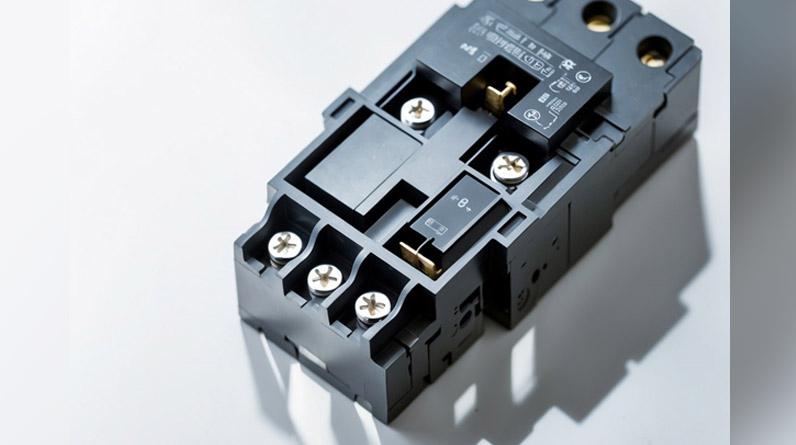
Miniature Circuit Breakers (MCBs) consist of several key components that work together to provide reliable circuit protection. Understanding these elements is essential for grasping how MCBs function effectively. The main components include the enclosure, contacts, and auxiliary parts, each playing a critical role in the operation of the device.
Enclosure and Housing
The enclosure of an MCB is designed to provide a robust and insulated housing for its internal components. Typically made from durable materials like plastic or molded case, the housing protects the circuit breaker from external elements and physical damage.
Inside the enclosure, the DIN rail holder allows easy installation and secure mounting in electrical panels. This ensures that the MCB remains stable during operation. The design of the enclosure also helps in dissipating heat generated during the operation. Adequate ventilation is crucial to prevent overheating, which could compromise safety and performance.
Contacts and Arc Chutes
The contact system within the MCB includes both moving and fixed contacts. The moving contact is responsible for opening and closing the circuit, while the fixed contact is stationary. These contacts are designed to close the circuit under normal conditions and open in case of excess current, protecting against overloads and short circuits.
Arc chutes are essential components that mitigate the arcs formed when the contacts open. They effectively guide and cool the arc, preventing it from damaging the internals of the MCB. The arc chamber contains features like arc runners and arc splitters that work to extinguish the arc rapidly. This ensures that the circuit breaks quickly, enhancing safety by limiting the duration of electrical discharge.
Auxiliary Parts and Indicators
Auxiliary parts in an MCB provide additional functionality and safety features. For instance, the trip spring mechanically assists in opening the circuit when necessary. This spring ensures that the moving contact is pulled away from the fixed contact quickly during a fault condition.
Indicators may also be included to show the operational status of the MCB. These visual cues help users to easily ascertain whether the circuit breaker is on or has tripped.
Auxiliary contacts, while not part of the core operation, offer valuable signaling functions. They can be utilized to alert users or integrate with alarm systems for enhanced safety monitoring. Thus, these components round out the construction of an MCB, contributing significantly to its overall effectiveness in circuit protection.
Circuit Protection and Safety Functions
Miniature Circuit Breakers (MCBs) are essential for maintaining electrical safety by providing protection against various faults in electrical circuits. They play a crucial role in preventing potential hazards, such as fires and damage to appliances, through effective overload and short-circuit protection, as well as by detecting leakage currents.
Overload Protection
Overload protection is a fundamental function of MCBs. When the current flowing through a circuit exceeds the rated capacity, the MCB detects this overcurrent condition. It typically uses a bimetallic strip that bends when heated by excessive current. As the strip heats up, it eventually triggers the mechanism to trip, opening the circuit and stopping the flow of electricity.
This action prevents overheating and potential damage to appliances connected to the circuit. The response time for the MCB to trip usually depends on the degree of overload; larger overloads result in quicker trips. Regular maintenance of MCBs is critical to ensure proper functionality in protecting against such faults.
Short-Circuit Protection
Short-circuit protection is vital for safeguarding electrical systems. In the event of a short circuit, current rises dramatically and can cause severe damage. MCBs are equipped with a trip coil that activates rapidly during such conditions. The coil generates a magnetic force strong enough to release the latch and open the circuit immediately.
This instant response helps to minimize damage and reduces fire risks, ensuring that electrical systems remain safe. Unlike fuses, which must be replaced after tripping, MCBs can simply be reset, making them more convenient for handling short-circuit situations.
Residual Current and Leakage Detection
MCBs can also feature residual current protection, essential for electrical safety. This protection monitors the difference in current between live and neutral wires. If a fault occurs, such as a leakage current, this difference indicates unsafe conditions.
Additional devices such as RCCBs may be used alongside MCBs for this function. It trips the circuit when the leakage current exceeds a predetermined threshold, effectively preventing electric shock or fire hazards. RCCBs are crucial in environments where water is present or when using appliances with higher risks of leakage, such as in bathrooms or kitchens. The inclusion of this safety function enhances the overall protective capability of the circuit breakers.
Types of Miniature Circuit Breakers
Miniature Circuit Breakers (MCBs) come in various types, each designed to handle different electrical loads and conditions. Understanding these types helps in selecting the right MCB for specific applications.
Thermal, Magnetic, and Hybrid MCBs
Thermal MCBs utilize a bimetallic strip that bends when heated due to prolonged overcurrent. This bending trips the breaker, effectively cutting off the current. They are particularly useful for protecting against overloads in circuits with steady-load applications.
Magnetic MCBs operate using an electromagnet. When a short circuit occurs, the sudden surge of current generates a magnetic force strong enough to trip the mechanism instantly. These breakers provide rapid response times during short circuit conditions.
Hybrid MCBs combine both thermal and magnetic operations. They have the advantages of both types, offering protection against overloads and short circuits. This flexibility makes them suitable for circuits with fluctuating loads.
Poles: Single, Double, Three, and Four-Pole Designs
MCBs are available in several pole configurations, allowing them to accommodate various circuit requirements.
- Single-Pole MCBs are used in single-phase circuits to protect against overloads and short circuits in one conductor.
- Double-Pole MCBs handle both the live and neutral wires in single-phase circuits, making them ideal for appliances requiring both connections.
- Three-Pole MCBs are suited for three-phase circuits, protecting three live wires while leaving the neutral wire outside.
- Four-Pole MCBs offer a complete solution for three-phase circuits, including protection for the neutral wire.
These configurations ensure that different circuit types can be effectively managed.
Tripping Characteristics and Curves
Each MCB has a specific tripping characteristic, which determines its response to overcurrent situations.
Type A MCBs trip at a lower fault current level and are suitable for sensitive devices, such as computers.
Type B MCBs are designed to protect residential circuits and trip at moderate current levels.
Type C MCBs can manage higher inrush currents, making them ideal for circuits with motors or transformers.
Type D MCBs are used in circuits that experience high fault currents, such as industrial settings.
Type K and Type G MCBs serve specialized applications, particularly in residual current devices. Each type corresponds to different tripping curves, ensuring optimal protection for varying loads and conditions.
Specialized Types for Different Applications
Several specialized types of MCBs cater to unique electrical needs.
Electronic MCBs utilize advanced technology for precise current monitoring, providing quick tripping in overload situations.
Differential MCBs are designed for DC circuits and offer protection against earth faults and short circuits.
Isolation MCBs provide a disconnection function, making them suitable in maintenance situations without a trip mechanism.
These specialized devices enhance safety and reliability in diverse applications, from domestic environments to complex industrial systems.
Ratings and Performance Parameters
Miniature Circuit Breakers (MCBs) are designed with specific ratings and performance parameters to ensure effective protection of electrical circuits. Understanding these specifications helps users select the appropriate MCB for their applications.
Current and Voltage Ratings
The current rating, often referred to as the rated current, is the maximum continuous current an MCB can carry without tripping. Common ratings range from 1A to 100A. Selecting the correct rated current is critical; it should match the expected load of the circuit.
The voltage rating indicates the maximum voltage that the MCB can handle. Standard MCB voltage ratings include 230V for single-phase and 400V for three-phase systems. It is essential to choose an MCB with a voltage rating higher than the circuit’s operational voltage to ensure safety and reliability.
Breaking Capacity (Icu and Ics)
Breaking capacity refers to the MCB’s ability to interrupt fault currents without damage. It is specified in terms of two values: Icu (the ultimate breaking capacity) and Ics (the service breaking capacity).
- Icu indicates the highest fault current the MCB can safely interrupt.
- Ics represents the maximum current it can interrupt while still being reusable.
For example, an MCB with an Icu of 10kA and an Ics rating of 5kA can handle severe short circuits but may need resetting after lighter faults. This distinction is crucial for ensuring that the breaker will function properly after a fault.
Selectivity and Instantaneous Tripping
Selectivity is vital for minimizing disruption in electrical systems. It allows for the coordinated operation of MCBs, ensuring that only the faulty circuit disconnects while others remain powered. This is important in buildings with multiple circuits as it enhances reliability and safety.
Instantaneous tripping refers to the rapid response of the MCB to short-circuit conditions. MCBs can have different trip characteristics, meaning some will trip faster under high inrush currents. Devices designed for high inrush loads, such as motors, may require a ‘C’ or ‘D’ type breaker to avoid nuisance tripping during normal start-up conditions.
Adaptation to Circuit Conditions
Different electrical environments require specific adaptations of MCBs to function optimally. MCBs can be fine-tuned based on the load type: resistive, inductive, or capacitive.
- Resistive Loads: Commonly used where devices like heaters are present. Lower inrush currents mean standard trip settings suffice.
- Inductive Loads: Devices like motors create an inrush current upon starting. Here, MCBs with type C or D trip curves are beneficial.
- Capacitive Loads: Seen in circuits with devices such as lighting. Special attention is needed for the initial surge current.
By considering these conditions, MCBs can provide tailored protection that enhances performance and safety in various installations. Proper selection of ratings and characteristics significantly impacts the effectiveness of the circuit protection strategy.
Advantages, Applications, and Practical Considerations
Miniature Circuit Breaker (MCB) offer several benefits, making them essential in modern electrical installations. They provide quick restoration of supply and enhance safety across various applications. Understanding their advantages, common uses, and proper installation considerations is key for effective system management.
Benefits of MCBs Over Fuses
MCBs have distinct advantages compared to traditional fuses. Firstly, MCBs automatically reset after tripping, allowing for quick power restoration. This eliminates the need for replacing fuses after an overload. Additionally, MCBs provide reliable fault detection, as they can sense both overload and short circuits effectively. In contrast, fuses only protect against overcurrents and must be replaced after a fault.
Other benefits include:
- Increased Safety: MCBs automatically disconnect circuits, reducing fire risks and protecting equipment.
- Visual Indicators: MCBs often have clear indicators that show their status, making it easy to identify tripped circuits.
- Remote Control: Many MCBs can be operated remotely, enhancing convenience for building management.
Common Applications in Electrical Installations
MCBs are widely used in diverse electrical installations, ranging from residential to industrial settings. They are suitable for single-phase circuits, which are common in homes, and three-phase systems typically found in industrial environments. Their design makes them ideal for protecting various equipment, such as:
- Lighting Circuits: Safeguarding against overloads in residential and commercial lighting systems.
- Motor Protection: Protecting motors from overheating due to stalled loads or overload conditions.
- Distribution Boards: MCBs are integral components in distribution boards, ensuring the protection of multiple connected circuits.
Due to their reliable performance, MCBs are vital in ensuring the longevity and safety of electrical systems.
Proper Selection and Installation
Selecting the right MCB for an application is crucial. Key factors include the rated current, type (B, C, or D curve), and the specific electrical load characteristics. It is also important to consider the installation location, ensuring that the MCB is placed in a dry, accessible area within the distribution board.
Installation should always be performed by a qualified electrician. Proper wiring and connections are essential to ensure the MCB functions effectively. Additionally, it is necessary to adhere to all local electrical codes and standards during installation to guarantee safety and reliability.
Maintenance and Qualified Personnel
MCBs require minimal maintenance due to their robust design. However, periodic checks are necessary to ensure they are functioning correctly. Visual inspections can help identify any signs of wear or damage. It is advisable to test the MCB periodically by simulating a fault condition to ensure it trips appropriately.
Qualified electricians should conduct any maintenance or troubleshooting work. Their expertise ensures that MCBs operate safely and efficiently. They can also advise on upgrading or replacing older MCBs to enhance system performance, ensuring that all protective devices meet current safety standards.