Key Takeaways
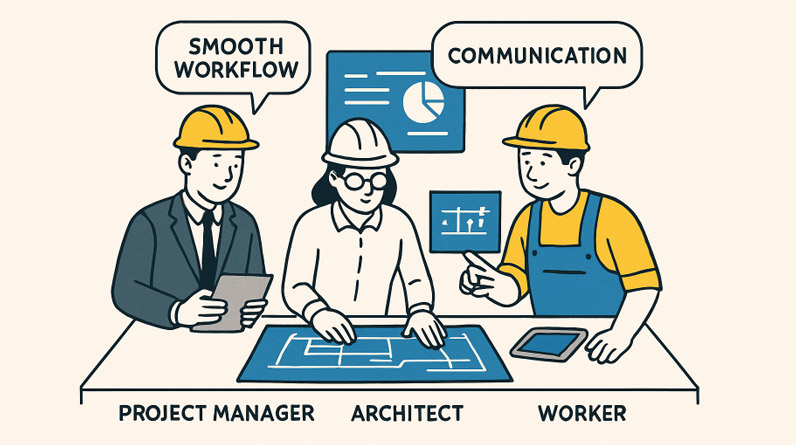
⦁ Clear communication and collaboration are core to every smooth-running project.
⦁ Technologies such as Building Information Modeling (BIM) significantly improve efficiency and predictability.
⦁ Quality control checks and detailed reviews keep teams accountable and maintain high standards.
⦁ Emphasizing safety and orderly workspaces raises productivity and morale throughout the jobsite.
Ensuring construction projects stay on track involves careful planning, seamless communication, and smart use of digital tools. For those managing commercial projects, adopting proven strategies turns complex builds into streamlined successes. Project managers who prioritize best practices can avoid costly delays, deliver within budget, and maintain high safety and quality standards throughout the project lifecycle.
Modern construction demands a coordinated team effort in which architects, engineers, contractors, and stakeholders work effectively together. Leveraging the right tools and transparent processes reduces miscommunication and puts everyone on the same page, from preconstruction to final inspection. Emphasizing organization, safety, and rigorous monitoring can make the difference between a project plagued by setbacks and one delivered on time and with minimal complications.
Today’s construction also greatly benefits from digital collaboration platforms and innovative modeling technologies. These advancements allow real-time adjustments, comprehensive project overviews, and well-orchestrated teamwork. Structured routines and robust planning position each team member to contribute efficiently and confidently.
Reviewing finished projects and implementing feedback ensures continuous improvement, setting the foundation for better performance in future builds. These measures help foster job-site morale, reduce risk, and create environments primed for success even in the most challenging construction landscapes.
Establish Clear Communication Channels
Strong communication keeps every stakeholder informed and reduces the likelihood of misunderstandings or costly mistakes. Setting up regular team meetings, providing status updates, and using standardized processes for Requests for Information (RFIs) streamline workflows and minimize confusion. Each party should know its points of contact and have consistent access to critical project documents. According to ConstructConnect, effective communication is a top predictor of project success. Always use both formal communication tools and informal updates to maintain engagement and transparency.
Implement Building Information Modeling (BIM)
BIM is a digital solution that creates a reliable source of project truth, giving everyone a real-time snapshot of progress, plans, and changes. BIM enables the visualization of each stage of the build and detects potential system clashes before work begins on site. With this proactive knowledge, teams can prevent rework and better allocate resources. Project predictability rises, and costs are better controlled when BIM tools are adopted. Embracing BIM early in the project prepares teams to coordinate more effectively and manage issues before they escalate.
Prioritize Safety and Organization
A safe, clean, and well-organized construction site is essential for both morale and productivity. Designated zones for material storage, waste sorting, and clear walkways prevent accidents and confusion. Daily cleanup routines reduce the risk of incidents and speed up workplace tasks as crews know exactly where to find tools and materials. Reinforcing safety protocols and providing accessible equipment keeps every worker focused on their tasks, paving the way for a successful build.
Monitor Progress and Quality Control
Regular inspections and periodic quality checks at critical stages, such as during material deliveries, after key installs, and leading up to handover, ensure the project continually meets or exceeds standards. Documenting each inspection and enforcing immediate remedial action for any substandard work reduces the risk of costly rework. Real-time quality data, paired with prompt corrections, maintains high standards and keeps the project moving without costly pauses.
Embrace Automation and Technology
Tasks like tracking employee hours, managing supply orders, and coordinating deliveries are labor-intensive without the right support. Automated systems and project management tools reduce these repetitive duties, freeing up staff to focus on more complex challenges. Leveraging cloud-based platforms and site-management apps provides instantaneous access to critical information, allowing all team members to align quickly when the plan changes or issues arise. These tools embed efficiency into the project’s DNA and have been recommended by industry professionals, including the team at For Construction Pros.
Foster Collaboration and Teamwork
Construction projects involve a diverse range of skilled professionals. Encouraging collaboration across trades fosters a cooperative environment, reducing scheduling conflicts and inefficiencies. Coordination meetings that review progress, detail the flow of upcoming work, and address concerns are essential in keeping everyone informed. This team environment helps identify potential problem areas before they escalate into disruptions and keeps momentum high across the jobsite.
Manage Finances Diligently
Effective financial management is at the core of a successful construction project. Utilizing dedicated software for expense tracking, timely invoicing, and consistent payments to subcontractors and suppliers eliminates common sources of project delays. Diligent cost control ensures the project stays within its budget, and real-time monitoring enables immediate corrective action if overspending is detected. Clear procedures protect cash flow and help avoid unexpected disruptions.
Conduct Regular Reviews and Adapt
After a build is complete, conducting thorough performance reviews sheds light on strengths and areas for improvement. Analyzing records of cost, scheduling, communication gaps, and risk management success provides critical insights for future projects. Incorporating this feedback into new workflows ensures that experience from each project continually informs and improves company-wide best practices. This commitment to learning and adaptation cultivates a culture of continuous improvement that drives long-term success.
Optimizing construction projects with clear procedures, modern tools, and open communication positions teams to consistently deliver quality results, on schedule and within budget.