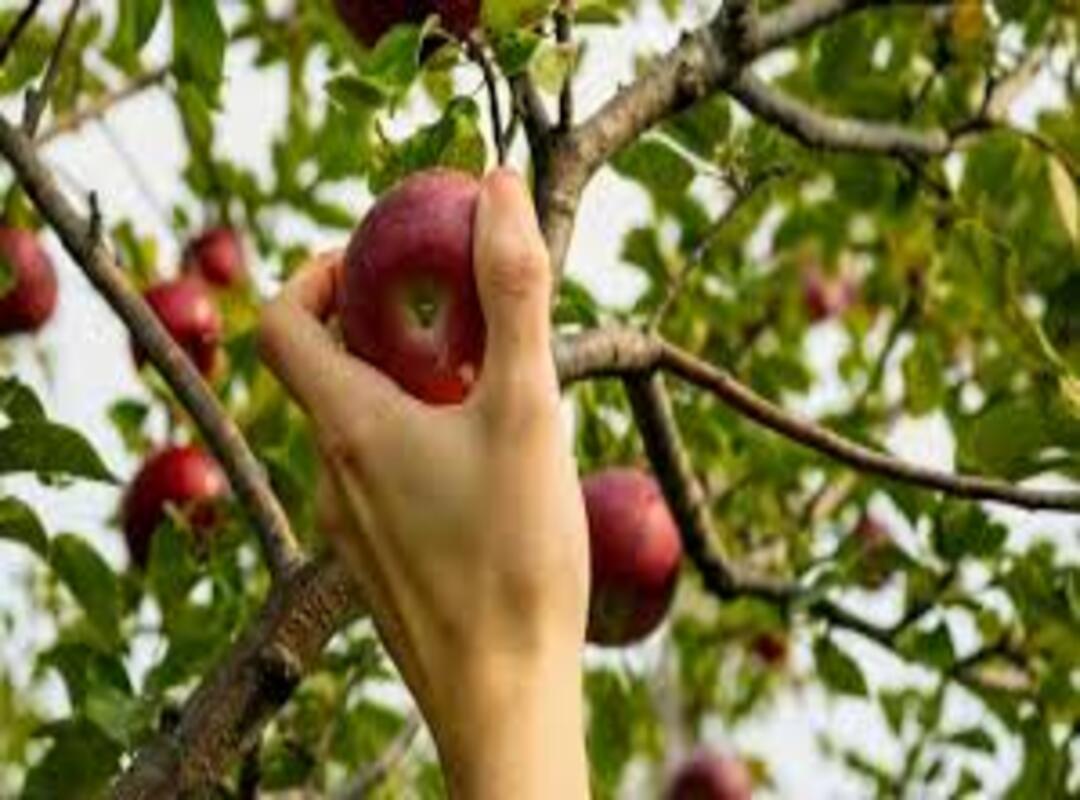
Starting a small orchard at home does not need a large garden, specialist knowledge, or years of pruning experience. Apple and pear trees remain some of the best choices because they are familiar, useful in the kitchen, and available in forms that fit everything from compact suburban plots to larger country gardens.
The main challenge for a beginner is not whether fruit trees can grow in Britain, but which varieties are least likely to disappoint. Some produce heavily with little fuss. Others are more demanding about pollination, soil, shelter, or disease control. The best starting point is to look for tried-and-tested trees with clear strengths: good flavour, dependable cropping, manageable growth, and a track record in British gardens.
The fruit trees specialists at Fruit-Trees nursery advise beginners to focus first on dependable varieties and the right rootstock rather than planting too many trees at once. They also recommend choosing trees from a specialist source when you plan to buy fruit trees, as this makes it easier to match the variety to your space, pollination needs, and local growing conditions.
This guide looks at six apple and pear trees that are especially suitable for first-time growers in Britain, along with the practical reasons they tend to do well. The aim is simple: help new gardeners choose trees that reward care without turning fruit growing into a complicated project.
What Makes an Apple or Pear Tree Good for Beginners
A beginner-friendly fruit tree is not necessarily the rarest, the most heavily advertised, or even the one with the finest flavour in a tasting room. It is the tree that gives ordinary gardeners a realistic chance of healthy growth and regular harvests. In British conditions, that usually means a variety that copes well with variable weather, fruits fairly reliably, and does not demand expert pruning from the first winter onwards.
One of the most important factors is vigour. A tree that grows far too strongly can become awkward in a modest garden and difficult to shape. For beginners, trees on semi-dwarfing or dwarfing rootstocks are often easier to control. In apples, rootstocks such as M26 or MM106 are commonly recommended depending on the size of the garden and the quality of the soil. For pears, Quince A is often used to keep growth moderate while still producing a useful crop. Rootstock matters because it affects final size, how soon the tree fruits, and how much support it may need in early years.
Pollination is another practical issue. Some apple and pear varieties are partially self-fertile, while others perform much better with a pollination partner nearby. In many British neighbourhoods there are already compatible fruit trees in surrounding gardens, but it is still wise to understand where a variety sits. A beginner who plants a tree without checking pollination groups may wait years for a good crop and wrongly assume they have done something wrong.
Disease resistance also deserves attention. Apples can be troubled by scab, mildew, and canker, while pears may suffer from scab or poor cropping if conditions are unfavourable. A variety with a decent reputation for health gives a new grower more room for error. It does not remove the need for good planting, watering, mulching, and pruning, but it reduces the chance that the tree becomes an ongoing problem.
Finally, good beginner trees usually offer versatility. A British household often wants fruit for fresh eating, cooking, juicing, or storing rather than for one narrow purpose. Trees that fit several uses tend to feel more worthwhile, especially when garden space is limited. That is why the strongest choices for beginners are often classic British varieties or modern dependable selections rather than more specialist orchard types.
The Best Apple Tree to Start With: Discovery
If one apple tree had to be recommended to a complete beginner in Britain, Discovery would be near the top of the list. It has earned that status because it is straightforward, productive, and rewarding at a stage when many gardeners want early success. Discovery is an early-season dessert apple, often ready from late summer, with crisp flesh and a fresh flavour that can be slightly sharp when picked early and sweeter as it matures. Its bright red colour also makes it feel unmistakably like a home-grown apple, which matters more than some experts admit.
For beginners, the real attraction is its generally dependable nature. Discovery is known for cropping well and coming into bearing relatively early, especially on suitable rootstocks. It is also hardy enough for many British regions and can suit a range of gardens. While no apple is completely trouble-free, Discovery has a reputation for being less fussy than many older varieties that may be more prone to poor cropping or disease in ordinary garden conditions.
Another useful point is that it helps new growers understand the rhythm of apple growing quickly. Because it fruits early in the season, the gardener gets feedback sooner. You see blossom, fruit set, swelling fruit, and harvest within a time frame that keeps enthusiasm alive. That may sound minor, but beginners often stay committed when a tree gives clear results in the first few seasons.
Discovery works especially well as a tree for eating straight from the branch, but it can also be used for juice and light cooking. It is not usually the best long-storage apple, so it suits households that enjoy seasonal fruit rather than expecting to keep apples deep into winter. In a beginner garden, that is rarely a disadvantage. Early apples fill the gap before the main autumn harvest begins and give growers confidence to expand later.
To make the most of Discovery, beginners should avoid overfeeding with nitrogen, which can produce too much leafy growth at the expense of fruit. A sunny position and moisture-retentive but well-drained soil will support better flavour and cropping. If planted with sensible spacing and given basic annual pruning to maintain shape, Discovery is one of the easiest ways to start a home orchard on the right footing.
The Best Traditional Cooker for New Growers: Bramley, and a Better Dessert Option in Cox’s Shadow
Bramley remains one of Britain’s most recognisable apples, and for beginners who actually cook, it is still an excellent choice. Many first-time fruit growers focus only on eating apples, but a cooking apple can be more useful in an ordinary household because it handles pies, crumbles, sauces, and freezing with ease. Bramley produces large fruit with the strong acidity needed for proper cooking, and one established tree can yield a substantial amount of usable produce.
There are practical reasons, however, why Bramley is not the only apple worth discussing in this category. It is vigorous, it needs space, and it is not ideal for every small garden unless grown on an appropriate rootstock and carefully managed. It also needs a pollination partner. For beginners with room and a real interest in kitchen use, Bramley is still hard to ignore. Its value lies in reliability of purpose. You know what it is for, and when it crops well, the harvest is generous.
Many beginners are tempted instead by Cox’s Orange Pippin because of its reputation for flavour. Cox can be outstanding, but it is not always the best first tree. In much of Britain it can be more demanding, more susceptible to disease, and less forgiving of less-than-ideal growing conditions. That does not mean it should be avoided forever, only that it may be better as a second or third apple once a gardener has learned the basics.
A more practical alternative for those drawn to the flavour profile of Cox is Sunset. Sunset is often seen as easier to grow while still offering an aromatic dessert apple with something of the richness that makes Cox attractive. For beginners who want a traditional-style eating apple without taking on quite so much risk, that makes a difference. A garden tree needs to earn its place not just in ideal seasons but in average ones.
This is where selection becomes more important than fashion. When people decide to buy fruit trees, they often compare flavour notes first and management details second. For beginners, reversing that order usually leads to better long-term results. It is easier to enjoy a very good apple that crops well than an exceptional apple that rarely performs in the garden you actually have. Bramley for cooking, or Sunset for dessert, reflects that principle. Both offer strong reasons to plant, and both reward sensible care without demanding expert handling from day one.
The Most Reliable Pears for British Gardens: Conference and Concorde
Pear trees can seem less straightforward than apples, largely because some varieties have a reputation for being slow to crop or inconsistent in cooler areas. That is exactly why beginners should start with dependable names. In Britain, Conference remains the standard recommendation for good reason. It is one of the most reliable pear trees for home gardens, known for regular cropping, useful disease tolerance, and the ability to perform in a range of conditions better than many alternatives.
Conference produces the familiar long, russeted green pear sold widely in shops, but fruit from a home-grown tree is often better textured and more fragrant than store-bought examples. It can be eaten when still slightly firm or left to soften indoors after picking. For beginners, that flexibility helps because judging the perfect harvest point in pears takes practice. Conference is also valued because it is at least partly self-fertile, which makes it easier for gardeners with space for only one pear tree, though yields may improve with a pollination partner nearby.
The tree itself is a sensible choice for training as well as open growing. In smaller gardens, Conference can be grown as an espalier or fan against a fence or wall, making good use of limited space. That adaptability is part of its beginner appeal. A variety that works in both traditional and modern garden layouts is more practical than one that only suits an orchard setting.
Concorde is another excellent pear for new growers and deserves more attention than it sometimes receives. It was bred from Conference and Comice, combining some of the dependability of the former with a sweeter, finer dessert quality. For many beginners, Concorde can feel like an upgrade once they understand the basics, but it is still approachable enough to plant first. The fruit is elongated, smooth, and sweet, with a pleasant texture that suits fresh eating very well.
Perhaps the best reason to recommend Conference and Concorde together is that they show beginners what successful pear growing can look like in Britain. One gives reliability and familiarity; the other offers improved dessert quality without becoming awkwardly difficult. Both benefit from a sunny, sheltered position and thoughtful pruning to encourage fruiting wood, but neither is so temperamental that a new grower is likely to fail through minor mistakes. In a small garden with room for two pears, they make a practical and rewarding pair.
A Good All-Rounder Apple and a Pear for Smaller Spaces: Egremont Russet and Beth
Not every beginner wants glossy supermarket-style fruit. Some are drawn to flavour first, and that is where Egremont Russet stands out. It is one of the most distinctive beginner-friendly apples available in Britain, producing medium-sized fruit with rough, russeted skin and a rich, nutty sweetness that feels very different from sharper early apples. It has been popular in British gardens for generations because it offers character without becoming too difficult to manage.
Egremont Russet is often described as a reliable cropper and can do well in many parts of the country. It is not entirely free of disease issues, but it is generally considered a practical tree for ordinary gardens. For beginners, it provides a useful lesson in choosing flavour beyond appearance. Home fruit growing should not be judged only by whether the fruit looks uniform. A russet apple may not have a polished finish, but it often gives a depth of taste that newer growers remember long after the harvest.
Another advantage is that Egremont Russet stores reasonably well compared with very early apples. That means the harvest can be spread over time, making the tree feel productive rather than overwhelming. It is a good all-rounder for eating fresh and can also be used in juice. In a beginner orchard, it adds variety without adding too much complexity.
For pears in smaller gardens, Beth deserves attention. It is less famous than Conference, but that can work in its favour because it tends to be chosen by growers who have looked beyond the obvious options. Beth is an early pear with sweet fruit and a reputation for reliable cropping. Importantly for new gardeners, it is often considered suitable for cooler areas and can be a sensible choice where some more demanding pears struggle.
Its relatively modest growth and useful productivity make Beth well suited to compact spaces or to growers who want a pear tree that starts giving results without years of waiting. It can also extend the season by providing fruit earlier than some of the classic autumn pears. For households that enjoy fresh fruit as it comes rather than storing everything, that timing is helpful.
Egremont Russet and Beth make an interesting beginner combination because they move slightly away from the most obvious standard choices without becoming specialist trees. They still fit the core rule of beginner fruit growing: choose varieties that have a clear record of performing in Britain, then match them carefully to the site and the gardener’s expectations.
How Beginners Can Help These Trees Succeed
Even the easiest apple or pear tree will struggle if planted badly or neglected in its first seasons. The good news is that beginners do not need advanced orchard skills to get the basics right. They need to focus on a handful of essentials that have a large effect on tree health and fruiting.
The first is planting position. Apples and pears both prefer a site with good light, reasonable air movement, and soil that drains well. Waterlogged ground causes problems quickly, especially in winter. Very exposed positions can also make establishment harder, particularly for pears, which generally appreciate more shelter. Before planting, it is worth improving the soil with organic matter if needed, but not over-enriching the site. Trees should be settled, not pushed into overly soft growth.
Watering matters most in the first couple of years. Many new growers assume Britain’s climate will provide enough moisture, but dry spells in spring and summer can seriously affect establishment and fruit swelling. A thorough soaking when needed is far better than frequent light watering. Mulching around the base helps conserve moisture and suppress weeds, though the mulch should be kept clear of direct contact with the trunk.
Pruning worries many beginners more than it should. In the early years, the job is mainly about shaping the tree, removing damaged or crossing wood, and encouraging a sensible structure. It is better to do a few basics correctly than to over-prune from anxiety. Apples are generally simpler for beginners to understand than pears, but both become more manageable when pruning is approached as regular light maintenance rather than a dramatic annual intervention.
Feeding and thinning also play a role. Trees in decent soil often need less feeding than beginners expect, and excessive nitrogen can encourage leafy growth instead of fruit. Where a tree sets a very heavy crop, thinning some fruit can improve size and reduce stress on young branches. This is especially useful in the early years, when a tree is still balancing growth and fruit production.
Most of all, beginners should accept that fruit growing is seasonal and cumulative. A well-chosen tree may not be at its best in year one or two, but steady care produces better results over time. The six varieties discussed here are worth recommending precisely because they give beginners a strong chance of reaching that point, where the garden starts to produce fruit with consistency rather than luck.