Key Takeaways
- Service format shapes guest flow, timing, and the overall dining atmosphere at your event.
- Buffet layouts encourage movement and variety while requiring careful space planning.
- Plated service delivers structured pacing and clear coordination for formal programmes.
- Family-style dining balances shared interaction with organised table service throughout the meal.
Introduction
Choosing between buffet lines, plated courses, or shared platters can feel like picking the mood for your entire celebration. Service format shapes how guests circulate, how quickly meals reach the table, and how comfortably conversations unfold. When halal catering in Singapore forms part of your plans, the decision carries added responsibility, influencing seating flow, programme timing, and coordination between kitchen and floor staff. Food draws attention, yet service format determines how smoothly the occasion progresses.
Buffet Service: Flexible and Guest-Led
Movement, Variety, and Social Flow
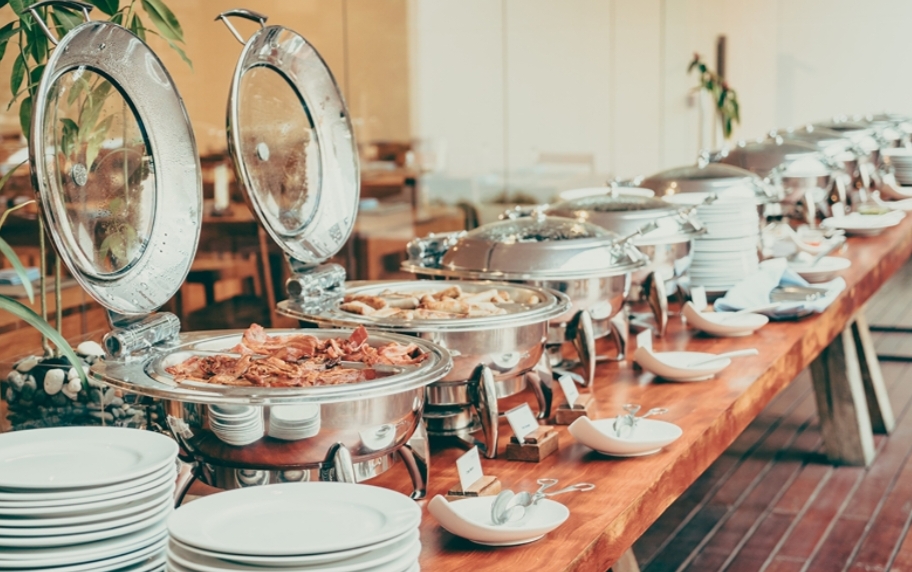
Buffet service places control in your guests’ hands. Portions shift naturally according to appetite, and movement between stations keeps energy circulating across the room. Different cuisines can sit side by side, offering variety without complicating the overall menu structure.
For larger receptions, wedding catering in Singapore frequently adopts a buffet layout to accommodate broad guest lists with varied preferences. Grandparents may head straight for familiar dishes while younger guests explore new flavours. Calling tables in sequence keeps traffic orderly and avoids congestion near serving stations.
Practical Considerations for Venue and Budget
Space plays a defining role in buffet planning. Wide halls accommodate serving lines comfortably, while compact venues require tighter layout planning and careful placement of stations. Staff rotate trays, maintain presentation, and ensure dishes remain replenished throughout service.
When a buffet includes halal catering in Singapore, clear labelling and organised station placement become essential. Distinct sections and attentive oversight provide clarity for guests. Budget control comes from balanced dish selection and thoughtful portion planning. A well-managed buffet relies on coordination, not excess.
Plated Service: Structured and Polished
Timing and Formality
Plated service introduces structure to formal celebrations. Guests remain seated as courses arrive in sequence, creating natural intervals for speeches, performances, and programme highlights. Visual presentation stays cohesive across tables, and pacing moves in a controlled, predictable manner.
Ballroom receptions featuring wedding catering in Singapore frequently select plated meals to match formal themes. Table service creates a composed dining environment that aligns with black-tie settings. The experience feels organised from the first course to dessert.
Guest Comfort and Dietary Control
Dietary requirements surface quickly once confirmations are collected. Plated service keeps records organised, with caterers preparing designated meals in advance and delivering them directly to the correct guests. Kitchen and service teams follow a clear chain of coordination to maintain accuracy.
Individual plating reduces cross-contact risks and maintains consistent presentation across tables. Additional staffing may be required compared to buffet setups, yet the structured flow keeps the evening controlled and measured.
Family-Style Service: Shared and Sociable
Encouraging Interaction
Family-style dining introduces shared platters at each table, inviting guests to pass dishes and engage naturally without leaving their seats. The experience blends structure with warmth, creating a relaxed yet organised atmosphere.
Medium-sized receptions using wedding catering in Singapore may favour this format for its balance between interaction and coordination. Guests remain seated while still participating in the serving process, encouraging conversation throughout the meal.
Space and Coordination
Table dimensions influence how comfortably platters can be arranged. Round tables usually provide adequate surface area for shared dishes and serving utensils, while narrow layouts demand careful spacing.
Events centred on halal catering in Singapore require disciplined preparation and handling procedures when shared platters are involved. Clear communication between servers and guests ensures transparency regarding ingredients and preparation methods. When executed carefully, the setting feels welcoming without sacrificing order.
Matching Format to Your Event Goals
Guest count, venue size, and programme structure should guide your decision. Buffets suit dynamic receptions with movement and variety. Plated meals complement formal programmes with defined pacing. Family-style service encourages connection while maintaining coordinated delivery.
Cost considerations, available space, and guest comfort all contribute to the final choice. The service format should align with the tone you intend to create and the logistical realities of your venue.
Conclusion
Service format shapes the rhythm of your celebration from the first course to the final toast. Buffets introduce flexibility and circulation, plated meals bring structure and clarity, while family-style dining promotes shared interaction at every table. Each option carries practical strengths when aligned with venue layout and guest expectations.
Careful planning ensures that format, menu, and programme work together seamlessly. Contact Orange Clove today to discuss service styles, menu planning, and tailored arrangements for your upcoming event.