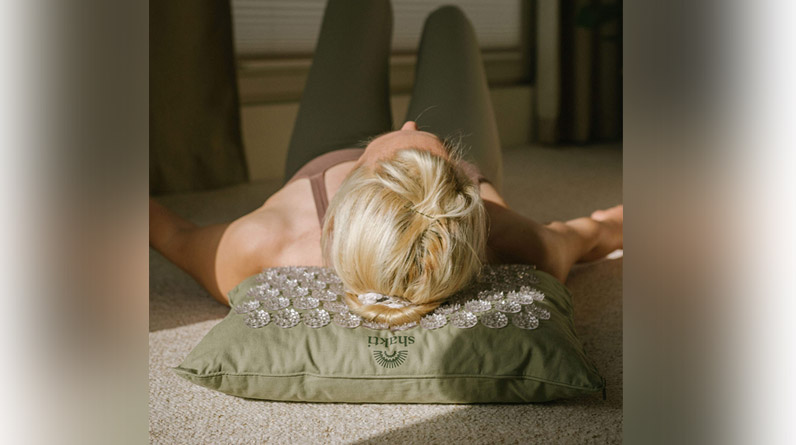
Waking up with a stiff neck or an aching back is common. Many people blame their mattress. But the real problem is often the pillow. A pillow does more than support your head. It keeps your spine aligned through the night. Get it wrong, and you carry that strain into your day.
This guide breaks down what to look for in a pillow for neck pain and a pillow for back pain. No fluff. Just practical points you can use today.
Why Your Pillow Matters More Than You Think
Your neck has a natural curve. When you sleep, that curve needs support. A flat pillow lets your head tilt back too far. A pillow that’s too high pushes your chin toward your chest. Both positions strain the muscles and joints in your neck.
The same logic applies to your back. If your spine bends unnaturally while you sleep, muscles tighten to compensate. Over time, this leads to soreness, tension, and even headaches.
A good pillow keeps your neck and spine in a neutral position. That means less strain and better rest.
Signs Your Pillow Is the Problem
Not sure if your pillow is to blame? Watch for these signs.
You wake up with a stiff or sore neck. You feel tension in your shoulders each morning. Your headaches seem worse after sleep. You toss and turn trying to get comfortable. You wake up more tired than when you went to bed.
If any of this sounds familiar, it’s time to look closely at what you’re sleeping on.
What to Look for in a Pillow for Neck Pain
Loft height. Loft means how tall the pillow is. Side sleepers usually need a higher loft to fill the gap between the shoulder and head. Back sleepers need a medium loft. Stomach sleepers need a low loft or none at all.
Firmness. A pillow that’s too soft won’t support your neck. One that’s too firm can push your head into an awkward angle. Look for a pillow with adjustable firmness if you’re unsure what works for you.
Material. Memory foam contours to your head and neck. Latex offers a bit more bounce and stays cooler. Natural fillings like cotton or kapok breathe well and adjust more easily.
Sleep position. Your position changes what you need. Side sleepers need more support to keep the spine straight. Back sleepers need something that cradles the neck’s curve without lifting the head too high. Stomach sleepers should choose a thin, soft pillow to avoid straining the neck.
What to Look for in a Pillow for Back Pain
Back pain often comes from poor spinal alignment during sleep. A pillow alone won’t fix everything, but it plays a real role.
For back sleepers, place a pillow under the knees. This takes pressure off the lower back and keeps the spine in a more natural position.
For side sleepers, a pillow between the knees helps keep the hips level. This reduces twisting in the lower spine.
For the head and neck, choose a pillow that supports the natural curve without forcing the head up or down. Combined with proper knee or leg support, this can ease pressure across the whole spine.
Simple Habits That Help Alongside the Right Pillow
A good pillow works best with good habits. Try to sleep on your side or back rather than your stomach. Stomach sleeping twists the neck and strains the lower back.
Replace your pillow every one to two years. Pillows lose their shape and support over time, even if they still look fine.
Stretch your neck and shoulders gently before bed. This can reduce tension that builds up during the day.
Consider your mattress too. A pillow can only do so much if your mattress doesn’t support your spine properly.
When to See a Professional
Occasional stiffness is normal. But persistent neck or back pain deserves attention. If pain doesn’t improve after a few weeks of better sleep habits, or if it comes with numbness, tingling, or weakness, speak with a doctor or physiotherapist. A pillow helps with comfort and alignment. It’s not a substitute for medical advice when something feels seriously wrong.
Final Thoughts
Choosing the right pillow isn’t complicated once you know what to look for. Pay attention to your sleep position, your loft needs, and how your body feels each morning. Small adjustments often bring noticeable relief.
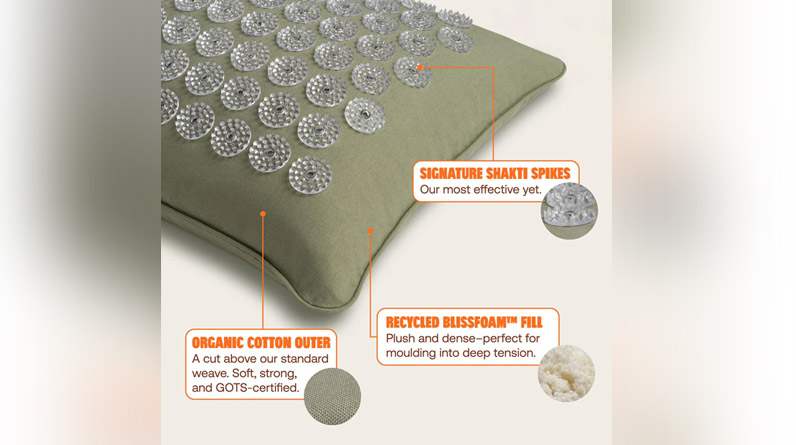
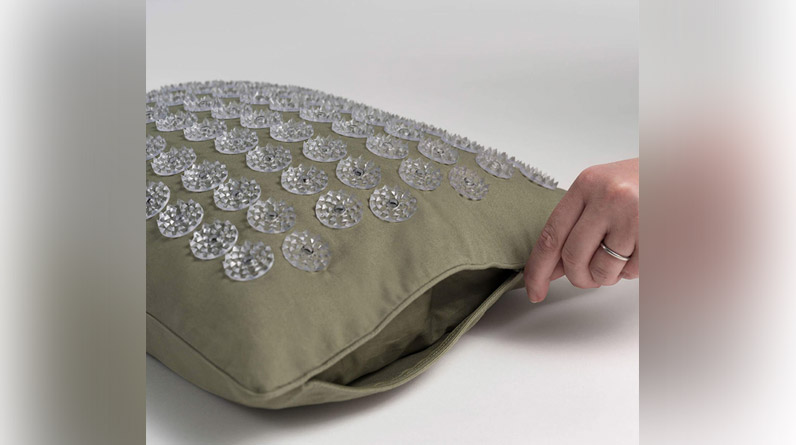
Alongside a supportive pillow, many people also use simple wellness tools to ease tension built up during the day. Shakti Mat offers acupressure tools designed to help release tightness in the neck, shoulders, and back, which can complement good sleep habits and support overall comfort.