Have you ever noticed that some commercial buildings maintain comfortable indoor temperatures while others struggle with uneven cooling or heating?
The difference often comes down to how well their HVAC systems are installed, operated, and maintained.
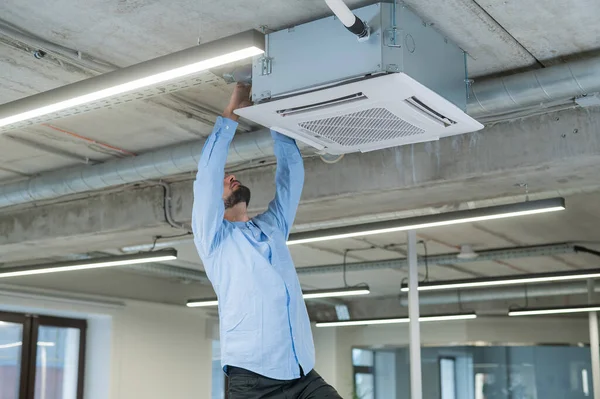
Commercial HVAC systems handle heating, ventilation, and air conditioning across offices, shopping centres, hotels, and industrial facilities. Their performance affects indoor comfort, air quality, equipment life, and monthly energy expenses.
However, even expensive equipment can struggle when important components are overlooked.
Understanding the factors that influence commercial HVAC system performance can help building owners identify problems early, reduce unnecessary energy consumption, and make better maintenance decisions.
1. Proper HVAC System Size and Capacity
Choosing the correct HVAC system size is one of the most important decisions for any commercial property.
An undersized system may struggle to maintain comfortable temperatures during extreme weather. An oversized system can cycle frequently, reducing efficiency and affecting humidity control.
What Should Building Owners Check?
Before installing equipment, HVAC professionals should evaluate:
- Total building area and ceiling height
- Number of occupants and operating hours
- Heat generated by lighting and equipment
- Building insulation and window exposure
A professional heating and cooling load calculation helps determine the required capacity.
2. Quality of Sealing Materials and Connections
Small gaps around equipment connections can affect HVAC performance, particularly where hot air, combustion gases, or conditioned air must remain contained.
Proper sealing helps reduce unwanted leakage and supports safe equipment operation.
Why Does Sealing Material Matter?
Different HVAC components require different sealing solutions.
For example, fiberglass rope can be used as a heat-resistant sealing material around suitable boiler, furnace, and high-temperature equipment connections.
However, materials must match the equipment’s operating temperature, pressure, and manufacturer specifications.
Regular inspections should identify damaged gaskets, loose connections, and deteriorating seals before they cause larger problems.
3. Airflow and Ductwork Design
Even a properly sized HVAC system cannot perform efficiently when air circulation is restricted.
Commercial ductwork carries conditioned air throughout the building. Poor duct design, blocked vents, and leaking connections can create temperature differences between rooms.
Common Airflow Problems
Some warning signs include:
- Weak airflow from supply vents
- Unusual noise inside ductwork
- Hot and cold spots across rooms
- Higher fan energy consumption
Building managers should arrange airflow testing when these problems continue.
Proper duct sealing and balancing help distribute air according to each area’s heating and cooling requirements.
4. Thermal Insulation Around Equipment
Insulation helps control heat transfer between HVAC equipment, surrounding spaces, and the outdoor environment.
Without suitable insulation, heating systems may lose useful heat while cooling systems can gain unwanted heat.
Choosing the Right Insulation
Different applications require different materials.
Standard insulated ductwork and chilled-water piping have different requirements from industrial boilers and high-temperature exhaust components.
For suitable high-temperature applications, ceramic fiber insulation can help limit heat transfer around furnaces, boilers, and related equipment.
Building owners should check insulation condition, temperature ratings, and material compatibility. Damaged or missing insulation should be assessed by qualified professionals.
5. Air Filter Condition and Indoor Air Quality
Air filters capture airborne particles before they circulate through the HVAC system.
Over time, collected dust increases airflow resistance. This can make fans work harder and affect heating or cooling performance.
How Often Should Filters Be Checked?
There is no single replacement schedule for every commercial building.
Inspection frequency depends on occupancy, outdoor air conditions, filter type, and operating hours.
Facility managers should monitor filter pressure drop and follow the equipment manufacturer’s recommendations.
Higher-efficiency filters should also be compatible with the existing fan and ventilation system.
6. Thermostat Settings and Building Controls
Incorrect temperature settings can increase energy consumption without improving comfort.
For example, running full heating or cooling overnight in an empty office may waste energy.
Improving Temperature Control
Programmable controls and building automation systems can adjust temperatures based on occupancy and operating schedules.
Managers should also check thermostat placement and sensor calibration.
A thermostat located near direct sunlight or heat-producing equipment may provide inaccurate readings, causing unnecessary heating or cooling.
7. Outdoor Weather and Building Conditions
Commercial HVAC performance is closely connected to the building itself.
Poorly insulated walls, excessive sunlight, air leakage, and frequently opened doors can increase heating and cooling demands.
What Can Building Owners Improve?
Start by inspecting windows, external doors, roof insulation, and areas where unwanted outdoor air enters.
Window shading, appropriate weatherstripping, and improved building insulation can help reduce the load on HVAC equipment.
These improvements may be particularly useful in buildings with large glass surfaces or high foot traffic.
8. Regular Maintenance and Equipment Inspection
Even well-installed HVAC equipment requires routine attention.
Dust buildup, worn components, refrigerant problems, and faulty sensors can gradually reduce system performance.
What Should Routine Maintenance Include?
A commercial HVAC maintenance programme should cover:
- Cleaning coils and inspecting drainage systems
- Checking electrical connections and fan components
- Inspecting filters, belts, and moving parts
- Testing temperature controls and safety devices
- Checking refrigerant conditions where applicable
Maintenance schedules should reflect equipment requirements and actual operating conditions.
Keeping service records also helps technicians identify recurring faults before they become expensive repairs.
Conclusion
Commercial HVAC system performance depends on more than equipment size or brand. Airflow, insulation, sealing materials, building conditions, temperature controls, and regular maintenance all contribute to efficient operation.
For building owners, the practical approach is to inspect existing systems, address recurring problems, and schedule professional maintenance.
Small improvements in these areas can support consistent indoor comfort, better energy management, and longer equipment life.