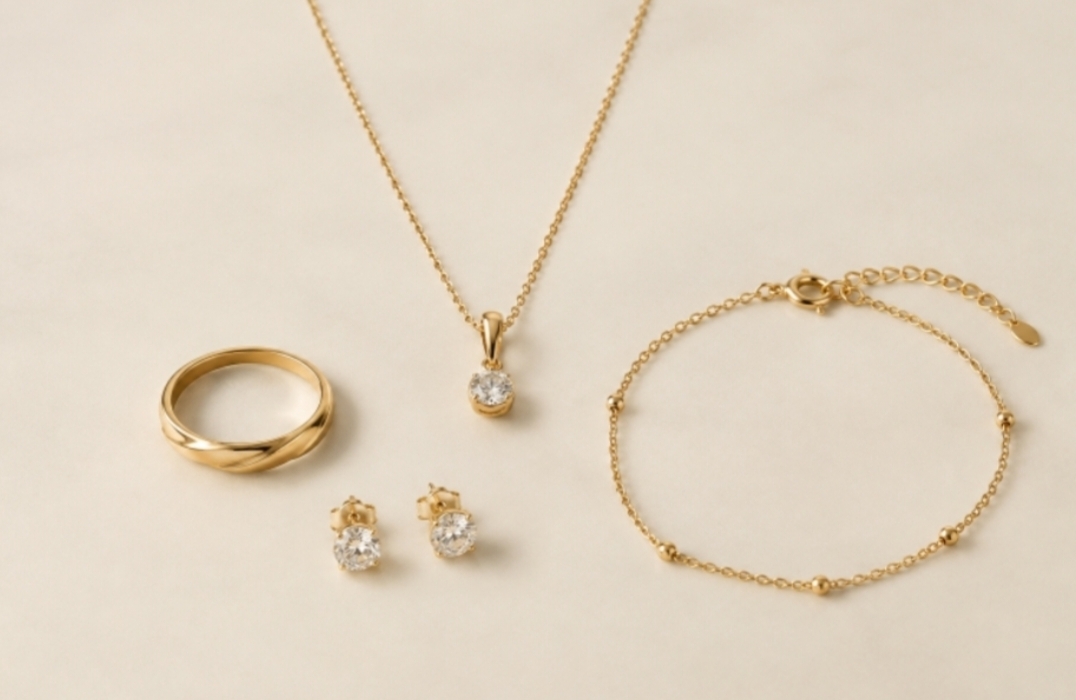
A useful jewelry collection is not defined by how many pieces it contains. It is defined by how often those pieces suit your life, feel comfortable, and make you feel like yourself. Whether you shop through a boutique jewelry retailer or compare options from several sellers, begin with the life the jewelry needs to serve.
That approach makes it easier to choose well. A small group of thoughtfully selected earrings, rings, necklaces, or bracelets can be more satisfying than a box full of items that are too delicate, uncomfortable, difficult to style, or rarely worn.
It can also reduce impulse purchases. Rather than trying to copy someone else’s collection or buying every new trend, consider which categories would make getting dressed easier for you. A reliable pair of earrings, a favorite ring, or a necklace that layers well can often provide more day-to-day value than many pieces chosen without a clear purpose.
Table Of Contents
- Why Real Life Should Guide Jewelry Choices
- Start With Personal Style
- Set A Clear Jewelry Budget
- Choose Pieces For Everyday Wear
- Balance Quality And Price
- Consider Metals, Stones, And Comfort
- Buy With Better Information
- Plan For Care, Storage, And Repairs
- Build The Collection Slowly
- A Simple Jewelry Buying Checklist
Why Real Life Should Guide Jewelry Choices
Beautiful jewelry is not automatically practical jewelry. Someone who types all day, cooks frequently, works in health care, exercises often, or uses their hands for hobbies may prefer lower-profile rings and secure earrings. Someone who attends formal events often may get more use from statement pieces, refined pendants, or dressier gemstone jewelry.
Think about climate, travel, work rules, skincare routines, and the amount of care you are prepared to provide. Comfort, durability, and ease of cleaning deserve as much attention as appearance. A piece that works with your routine is far more likely to become a favorite.
It is helpful to be honest about the moments when jewelry is most likely to be worn. If you usually get ready quickly in the morning, choose pieces that do not require special styling or frequent adjustment. If you take jewelry on and off throughout the day, look for easy closures and designs that can be safely stored in a small pouch or case when needed.
Start With Personal Style
Before shopping, look at what you already reach for. Notice the necklines, colors, patterns, watchbands, eyewear, and accessories you wear repeatedly. This creates a more useful style guide than buying an item simply because it looks good in a product photo.
Try identifying a few words that describe the look you want to create, such as minimal, tailored, romantic, vintage-inspired, colorful, sculptural, or relaxed. Those words can make comparisons easier when several pieces appeal to you. They can also help you decide whether a new purchase adds something useful or simply duplicates an item you already own.
Questions To Ask
- Do you prefer quiet, classic designs or bold, artistic ones?
- Do yellow, white, rose, or mixed metals work best with your wardrobe?
- Would one versatile piece be more useful than several trend-led purchases?
- Should the jewelry move easily from casual settings to work or formal occasions?
- Do you prefer jewelry that stands out on its own, or pieces that are easy to layer and combine?
Set A Clear Jewelry Budget
A jewelry budget should work alongside your actual financial priorities. Set a comfortable spending limit before browsing, and leave room for sales tax, resizing, repairs, care supplies, an appraisal, or insurance when those costs apply. Do not treat a countdown clock or a limited-time promotion as a reason to exceed that limit.
Consider separating your “ideal” budget from your absolute maximum. This gives you room to compare options thoughtfully without making a rushed decision at the top of your range. If a piece exceeds your planned budget, save it for later and revisit it after you have had time to compare similar designs and review the seller’s policies.
Simple Budget Steps
- Decide whether the purchase is for daily wear, a milestone, or a special event.
- Keep essential expenses and emergency savings separate from discretionary spending.
- Compare several pieces in the same price range.
- Prioritize the features that matter most, such as metal, workmanship, stone size, or design.
- Pause before buying if the terms, materials, or return policy are unclear.
Choose Pieces For Everyday Wear
For everyday jewelry, construction matters. Low-profile settings can be easier to wear during normal activities, smooth edges can reduce snags, and secure clasps or earring backs can offer extra peace of mind. Simple silhouettes also tend to pair well with more outfits and are easier to inspect and clean.
For example, a ring intended for daily wear may benefit from a protected setting and a shape that does not catch easily. Smaller hoops, studs, or compact drop earrings can be practical choices for commuting, work, and travel. The goal is not to avoid personality. It is to choose personality in a form you will genuinely wear.
Think about how a piece behaves, not just how it looks while standing still. Test whether a necklace flips, whether an earring feels balanced, whether a bracelet catches on sleeves, and whether a ring feels comfortable when making a fist. Small details like these can determine whether an attractive item becomes an everyday staple or stays in its box.
Balance Quality And Price
Price alone does not explain value. Compare the metal description, stone details, setting security, finish, return terms, resizing policy, warranty, and available repair services. Ask whether a stone has been treated and whether that treatment affects cleaning or future care.
For diamonds, the four Cs of cut, color, clarity, and carat weight provide a useful framework for comparing stones. A grading report can also help a buyer understand the characteristics described for an eligible diamond. Focus on the combination of qualities that matters to you instead of assuming that one specification tells the entire story.
Workmanship can be especially important for pieces meant to last. Look closely at whether clasps feel secure, links move smoothly, stone settings appear even, and finishing details feel tidy rather than rough. These observations do not replace professional evaluation, but they can help you ask more informed questions and compare similar items with greater confidence.
Consider Metals, Stones, And Comfort
Metal and gemstone choices influence color, weight, maintenance, and wearability. If you have experienced irritation from jewelry before, ask about the full metal composition rather than relying on color alone. If a piece is described as plated, filled, sterling silver, gold, or platinum, make sure you understand what that description means. The Federal Trade Commission explains common terms used for platinum, gold, and silver jewelry that can help shoppers read product descriptions more carefully.
Also consider where a piece will be worn. Softer or more delicate materials may be better suited to earrings or pendants than to rings exposed to frequent knocks. A lighter design may be more comfortable for long days, while a sturdier setting can be a sensible choice for an active routine.
Length and proportion matter, too. Chain length can change where a pendant sits in relation to a neckline, while ring width can affect how a band feels between the fingers. When possible, use a ruler, compare measurements with jewelry you already own, or try on similar dimensions before ordering online.
Buy With Better Information
Slow the shopping process down. Photos can be helpful, but they may not show scale, weight, clasp function, texture, or how a piece looks in different lighting. Read the full description and ask questions before committing.
It is also reasonable to ask for additional images or videos when a listing leaves important details unclear. A view beside a familiar object, a photograph of the back of an earring, or a close look at a clasp can provide practical information that a front-facing product image does not. Keep copies of descriptions, receipts, and any grading or care documents after purchase.
- Request measurements, including chain length, ring width, or earring dimensions.
- Ask for metal purity, stone type, total weight, and treatment information when relevant.
- Review grading documentation for diamonds or other stones when it is offered.
- Check return, resizing, repair, and warranty policies before purchase.
- View the piece in more than one type of lighting when possible.
Plan For Care, Storage, And Repairs
Every collection needs a care plan. Store pieces separately or in compartments to reduce scratching and tangling. Put jewelry on after applying perfume, lotion, and hair products, and remove delicate pieces before swimming, exercising, cleaning, or doing hands-on work.
Inspect clasps, prongs, and stone settings regularly. If a stone feels loose, a clasp no longer closes securely, or a chain appears worn, stop wearing the piece until it can be checked. For valuable items, consider whether an updated appraisal and appropriate insurance coverage fit your circumstances.
Follow care instructions that are appropriate for the specific materials in the piece. A cleaning method that is suitable for one metal or gemstone may not be right for another, particularly when a stone has been treated or set with adhesive. When you are uncertain, ask the seller or a qualified jeweler before using a cleaner, polishing cloth, or ultrasonic device.
Build The Collection Slowly
There is no need to build a complete collection at once. Buying gradually gives you time to learn what you wear, what feels comfortable, and which gaps are real rather than imagined.
A gradual approach also makes room for meaningful choices. You may discover that a birthday, anniversary, trip, achievement, or family tradition is a better reason to choose a special piece than a temporary trend. Over time, a collection can reflect both your style and the experiences connected to the items you keep.
A Practical Order For New Buyers
- Start with one versatile daily piece.
- Add a simple option for professional or polished settings.
- Choose a special piece for celebrations or formal events.
- Introduce color, texture, or personal symbolism over time.
- Review your collection each year and consider repairing, redesigning, or passing along pieces you no longer use.
A Simple Jewelry Buying Checklist
- Does this piece fit my daily routine?
- Does it work with clothing and jewelry I already own?
- Is the price comfortable within my planned budget?
- Are the materials, stone details, and care needs clearly described?
- Does the design feel secure and comfortable?
- Do I understand the return, repair, resizing, and warranty terms?
- Can I store and maintain it properly?
- Will I still find it useful when current trends change?
A strong jewelry collection does not need to be large or expensive. It should feel personal, practical, and easy to enjoy. When each piece earns a place in your routine, the collection becomes more than decoration. It becomes part of how you live.