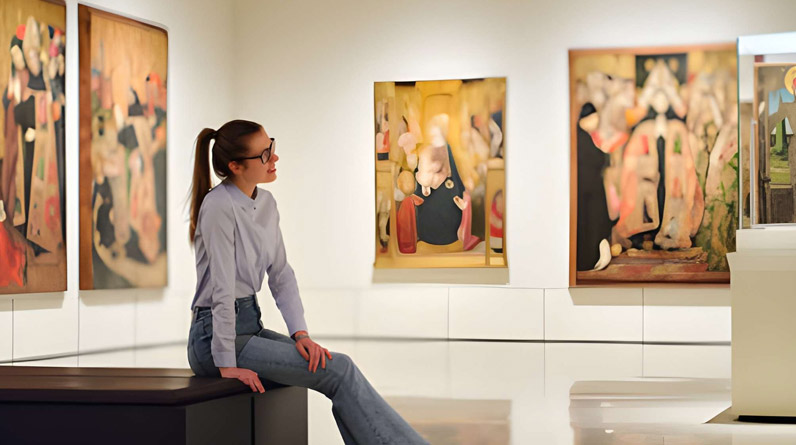
Limited edition prints sit at the intersection of art, craftsmanship, and collectability. For buyers who want meaningful artwork with lasting value—without the price tag of one-of-a-kind originals—limited editions offer an ideal balance. This guide explains what limited edition prints are, why they matter, how to evaluate quality and value, and how to choose pieces that elevate both your home and your collection. If you’re exploring curated selections from contemporary and cultural artists, Musa Art Gallery is a trusted place to start.
What Makes a Print “Limited Edition”?
A limited edition print is produced in a fixed, predetermined quantity. Once the edition sells out, no more prints are made in that size and format. Each piece is typically numbered (for example, 12/100) and often signed by the artist or accompanied by a certificate of authenticity. This controlled scarcity is what separates limited editions from open editions and gives them added appeal for collectors and design-conscious buyers alike.
Why Limited Edition Prints Are So Popular
Limited edition prints offer several advantages. They allow collectors to own artist-approved works at a more accessible price than originals, while still maintaining exclusivity. Because the edition size is capped, demand can increase over time, especially for sought-after artists or culturally resonant themes. For interior design, limited editions feel intentional and elevated—more personal than mass-produced décor, yet practical for modern living.
Understanding Print Techniques and Quality
Not all prints are created equal. Quality begins with the printing method. Giclée prints, for example, use archival inks and high-resolution processes to capture fine details and rich color depth, making them a premium choice. Screen printing offers bold colors and texture, while lithography is valued for its traditional craftsmanship. Paper or canvas quality also matters; archival materials ensure longevity, color stability, and resistance to fading. When buying limited editions, always look for information about the print method and materials used.
Edition Size and Its Impact on Value
Edition size plays a key role in both exclusivity and perceived value. Smaller editions—such as 25 or 50 pieces—are generally more collectible than larger runs of 250 or more. That said, larger editions can still be desirable if the artwork resonates strongly or the artist has a growing following. As a buyer, consider your goals. If you’re collecting for long-term value, smaller editions may be more appealing. If your focus is design and enjoyment, the artwork itself should always take priority over the number.
The Importance of Authenticity and Documentation
Authenticity is essential when purchasing limited edition prints. Reputable galleries provide certificates of authenticity that confirm edition size, print method, and artist involvement. Numbering and signatures—whether hand-signed or digitally certified—add another layer of trust.
Choosing Artwork That Fits Your Space
Limited edition prints should enhance both your collection and your home. Start by considering scale. Large prints make strong focal points in living rooms and dining areas, while smaller formats work well in bedrooms, hallways, or curated gallery walls. Color palette is equally important—art can either harmonize with existing décor or intentionally contrast it for visual impact. Think about how the artwork will interact with light, furniture, and textures in the room.
Cultural and Thematic Appeal
Many buyers are drawn to limited edition prints for their cultural or thematic depth. Styles rooted in heritage, symbolism, or storytelling often carry emotional weight and timeless appeal. Japanese-inspired art, for instance, is valued for its balance, minimalism, and expressive line work. If you’re interested in culturally rich aesthetics, explore curated collections such as this selection of japanese wall art. These pieces often blend tradition with contemporary interpretation, making them both meaningful and versatile.
Limited Edition Prints as Long-Term Investments
While art should first and foremost be something you love, limited edition prints can also function as long-term assets. Works from emerging artists may increase in value as their careers develop, while culturally iconic themes tend to remain relevant over time. Proper care—using UV-protective glass, avoiding direct sunlight, and maintaining stable humidity—helps preserve condition and value. Even if resale isn’t your goal, knowing your artwork holds lasting worth adds to its appeal.
Mixing Limited Editions With Other Art Forms
Limited edition prints integrate beautifully with other art forms. They can sit alongside originals, photography, or sculptural pieces without feeling secondary. Consistency in framing, spacing, or color palette helps unify different mediums. This approach allows you to build a layered, gallery-like interior that evolves over time rather than feeling static.
How to Buy With Confidence
Buying limited edition art should feel exciting, not intimidating. Take time to read descriptions, understand edition details, and visualize the piece in your space. Reputable galleries provide clear information, high-quality visuals, and customer support to guide your decision.
Conclusion
Limited edition prints offer a compelling way to collect art that feels exclusive, meaningful, and accessible. By understanding edition size, print quality, authenticity, and placement, you can make informed choices that enrich your home and your collection. Whether you’re drawn to modern abstracts, cultural themes, or timeless compositions, limited editions allow you to own art with intention. When chosen thoughtfully, they become lasting statements—both visually and emotionally—that grow with you over time.