Global logistics is moving faster than ever. Products are traveling farther, supply chains are becoming more complex, and delivery expectations keep getting tighter.
But once shipments leave the factory, control starts to slip. And that’s where problems tend to show up.
So it’s worth asking a simple question. What actually happens when packaging doesn’t perform the way it should?
In most cases, the impact goes far beyond a damaged shipment. It affects timelines, costs, and customer trust in ways that aren’t always obvious at first. That’s one of the reasons companies like EONSEN Pack, along with other experienced custom pouch manufacturers, are putting more focus on packaging performance rather than just output.
The Growing Risks in Long-Distance Shipping
Shipping today is no longer a straightforward process. Products move through multiple checkpoints, warehouses, and handling stages before they reach their final destination.
Along the way, they’re exposed to repeated handling, tight stacking, and constant vibration. Temperature changes and humidity add another layer of stress, especially during long transit times.
For businesses relying on industrial packaging or electronics packaging solutions, these conditions create real risks. Sensitive components and heavy materials both require packaging that can hold up under pressure.
The real issue is that small weaknesses don’t stay small. A minor tear or a slightly weak seal can quickly turn into a larger failure once the shipment is in motion.
The Hidden Costs of Packaging Failures
When packaging fails, the immediate costs are easy to recognize. Damaged goods need to be replaced, shipments are delayed or resent, and returns begin to increase.
What’s less obvious is how these problems build over time.
Delays can disrupt production schedules and create bottlenecks across the supply chain. Teams spend more time handling complaints and resolving issues. In B2B environments, repeated problems can start to affect long-term relationships.
For companies working with global suppliers or a packaging factory in China like EONSEN Pack, consistency becomes even more important. A single weak point in packaging can ripple across the entire supply chain.
What Packaging Performance Really Means in Practice
Packaging today is expected to do more than simply contain a product. It needs to perform consistently under real-world conditions.
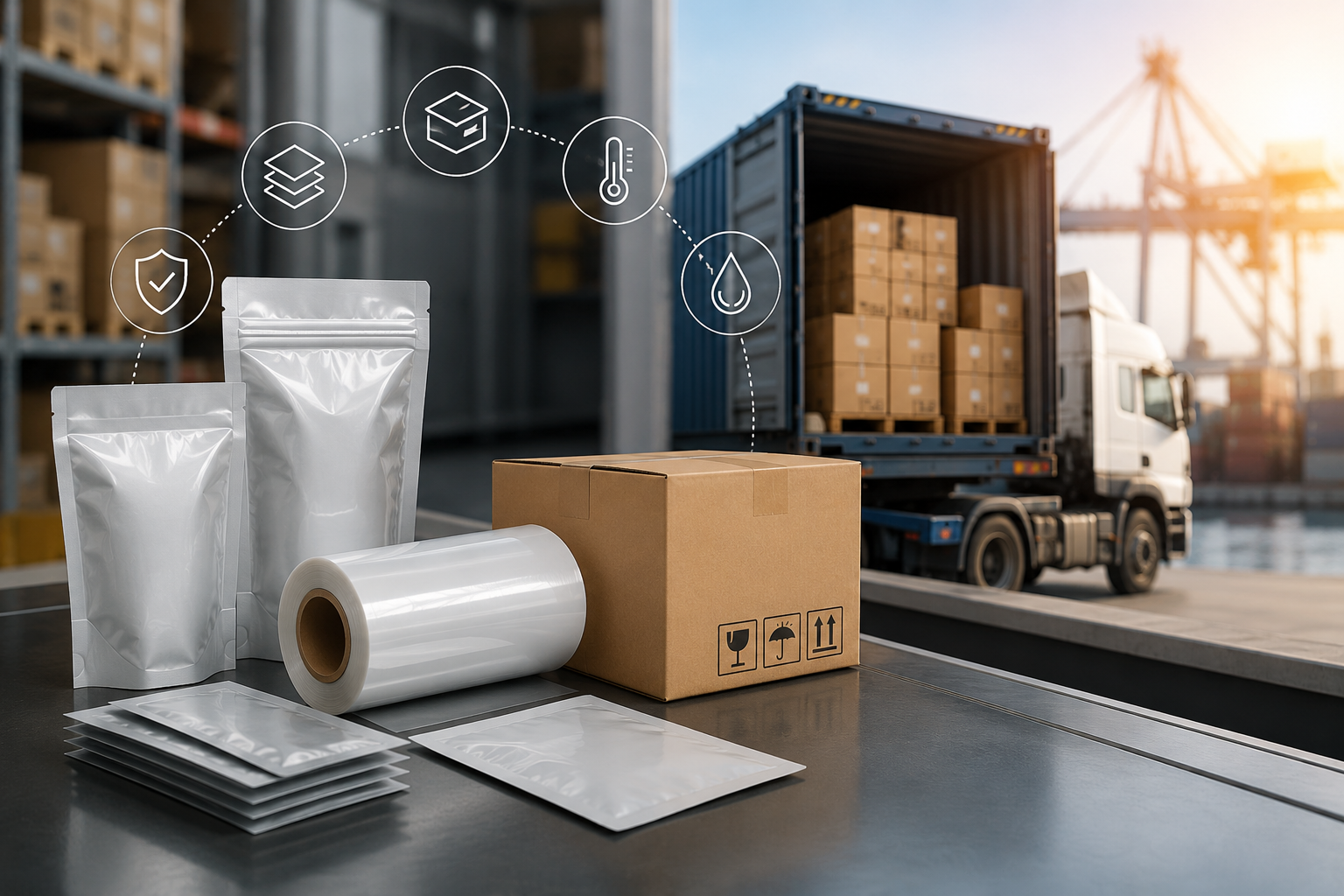
That starts with material strength. High-performance flexible packaging should be able to handle pressure, resist punctures, and absorb impact throughout the entire journey. At the same time, sealing becomes just as critical. Even strong materials can fail if sealing is inconsistent, leading to leaks, contamination, or exposure.
Barrier protection is another key part of the equation. Moisture, oxygen, and light can all affect product quality, especially for electronics, precision components, and new energy products.
In practice, custom packaging solutions are often required to meet these demands. The goal is simple: deliver consistent protection from the first shipment to the last, without unexpected variation.
Why Standard Packaging Often Falls Short
Standard packaging might seem convenient, but it rarely reflects what actually happens during shipping.
Different products come with different risks. Electronic components often require anti-static and moisture-resistant packaging, while industrial materials need stronger structures to handle weight and pressure. New energy products add another layer of complexity, where stability during transport is critical.
Using the same packaging approach across these scenarios usually creates gaps. Those gaps may not be obvious right away, but over time they show up as higher damage rates, rising costs, and inconsistent delivery performance.
If there’s uncertainty around how well current packaging holds up, it may be time to explore custom flexible packaging solutions designed for specific applications.
A Smarter Approach: Designing for Real-World Conditions
A more practical approach to packaging starts by focusing on real conditions rather than assumptions.
Instead of asking whether packaging looks strong, the better question is whether it performs under pressure. That includes how it holds up during stacking, how it responds to vibration, and how it reacts to temperature and humidity changes over time.
Consistency is just as important. A solution that works for one shipment needs to deliver the same result across thousands.
Manufacturers like EONSEN Pack focus on engineered materials and controlled production processes to deliver reliable industrial packaging solutions at scale.
When packaging is designed this way, it becomes more than just protection. It helps reduce failure rates, improves logistics efficiency, and supports a more stable supply chain.
What Businesses Should Be Paying Attention to Now
For companies looking to reduce risk, the first step is often a shift in mindset.
Instead of focusing only on upfront cost, it helps to look at long-term performance. Lower-cost options can seem attractive at first, but the hidden costs of failure often outweigh the initial savings.
It’s also important to identify where problems tend to occur. If damage or delays happen repeatedly, packaging design is often part of the issue.
Working with an experienced flexible packaging supplier can help address these gaps. Better material selection and smarter structural design usually come from collaboration, not guesswork.
Packaging as a Driver of Efficiency and Trust
At the end of the day, packaging performance is closely tied to how well a business operates.
When packaging does its job consistently, shipments stay on track and disruptions are reduced. Operations become more predictable, and teams spend less time dealing with avoidable issues.
Just as importantly, it builds trust. In B2B environments, reliability is everything. Consistent packaging supports consistent delivery, which strengthens long-term partnerships.
As global logistics continues to evolve, the demands will only increase. Businesses that invest in high-performance packaging solutions will be better positioned to stay competitive and resilient over time.