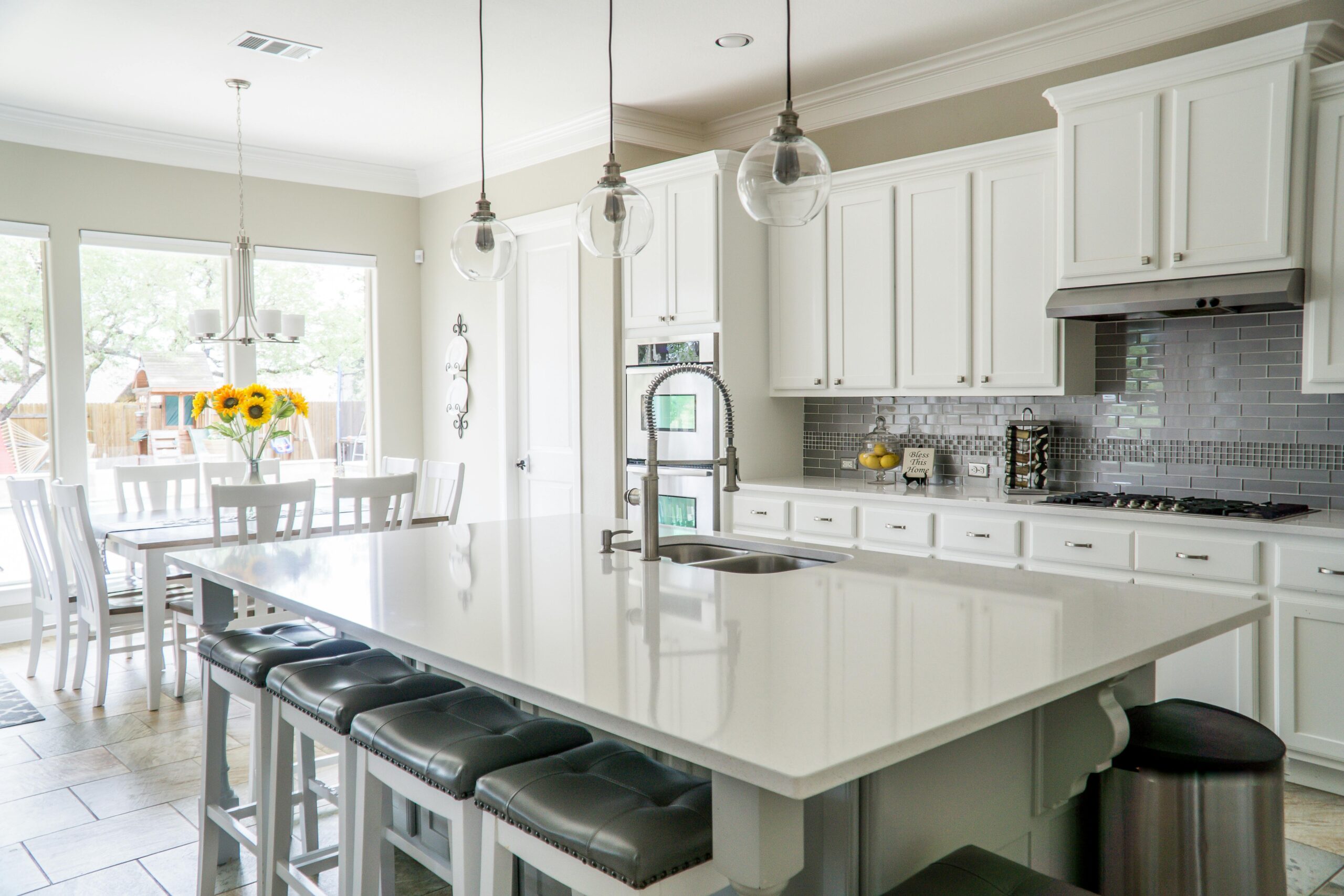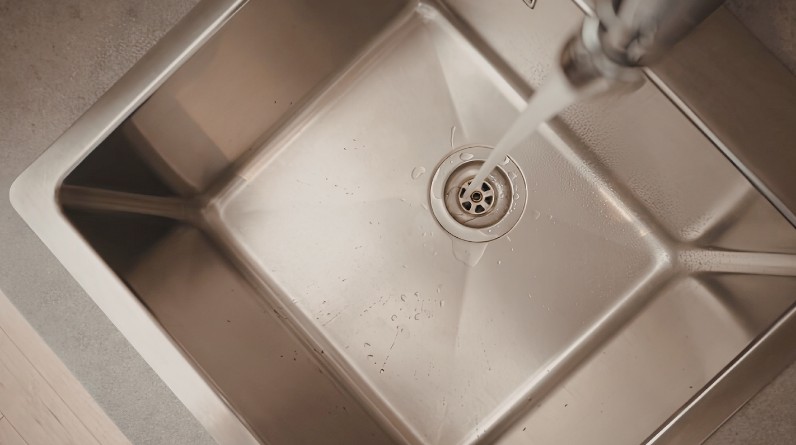
When homeowners plan a kitchen renovation, the sink is not always the first feature they think about. Cabinets, countertops, appliances, and lighting usually get most of the attention. Yet the kitchen sink is one of the most used parts of the entire room. It supports meal prep, dishwashing, cleaning, rinsing, and countless small daily tasks.
Because of that, the way a sink is manufactured matters more than many people realize.
A well-made kitchen sink is not just a basin that holds water. It is a carefully designed fixture that affects durability, hygiene, workflow, maintenance, and even resale value. The materials, shape, installation style, finish, and engineering all influence how well the sink performs over time.
For homeowners, understanding kitchen sink manufacture can make it easier to choose a sink that looks good, lasts longer, and supports the way the kitchen is actually used. A beautiful sink is helpful, but a beautiful sink that also performs well every day is even better.
Here are five reasons kitchen sink manufacturing matters more than you think.
1. Manufacturing Affects the Sink’s Durability
The first reason kitchen sink manufacturing matters is durability. A kitchen sink goes through constant use. It handles water, soap, food scraps, sharp utensils, heavy cookware, hot pans, and regular cleaning. If the sink is not made well, daily wear can quickly lead to scratches, dents, stains, chips, or fading.
The manufacturing process plays a major role in how much stress a sink can handle. High-quality sinks are made with strong materials and careful construction standards. This helps them maintain their appearance and function after years of use.
Material selection is one of the biggest factors. Stainless steel, quartz composite, fireclay, cast iron, and solid surface materials all perform differently. Each one has its own strengths, and the best choice depends on the homeowner’s kitchen habits, design style, and maintenance preferences.
Stainless steel is popular because it is durable, lightweight, and easy to match with many kitchen designs. However, the quality of stainless steel matters. A better-grade stainless steel sink is usually more resistant to dents and everyday damage than a thinner, lower-quality option.
Quartz composite sinks are often valued for their strength and rich color options. They can resist stains and scratches when manufactured properly. Fireclay sinks are known for their classic glossy finish and strong surface, making them a favorite in farmhouse-style kitchens.
Manufacturing also affects how the sink responds to heat, moisture, and cleaning products. A poorly made sink may look attractive at first but begin to show problems after regular use. A well-made sink is designed to withstand the demands of a working kitchen.
Durability is important because a sink is not something homeowners want to replace often. A kitchen renovation is already a major investment, and the sink should support that investment rather than become a weak point. When manufacturing quality is high, homeowners are more likely to enjoy a sink that performs reliably for years.
2. Manufacturing Shapes the Sink’s Functionality
A sink’s appearance matters, but its function matters even more. The way a kitchen sink is manufactured affects how easy it is to use every day. Details like basin depth, bowl shape, drainage angle, edge design, and overall dimensions can change the way a kitchen works.
A shallow sink may look sleek, but it can make washing large pots and pans frustrating. A deeper sink can provide more room for cookware, baking sheets, and food prep tasks. However, if it is too deep for the user’s comfort, it may cause unnecessary bending. The right manufacturing design balances capacity with ease of use.
Bowl configuration also matters. Some homeowners prefer a single large basin because it provides more open space. Others prefer a double basin because it allows them to separate washing and rinsing tasks. The manufacturing design determines whether the sink fits the homeowner’s workflow.
Drain placement is another important detail. A center drain may work well for many kitchens, but an offset drain can create more usable space under the sink and allow dishes to stack more easily without blocking water flow. Slight slopes in the sink basin can also help water drain properly and reduce pooling.
These details may seem small, but they affect daily routines. A sink that drains poorly, feels cramped, or does not fit large cookware can become a daily annoyance. A well-manufactured sink supports smoother movement between food prep, cooking, and cleanup.
Accessories can also be part of functionality. Some sinks are designed to work with grids, cutting boards, colanders, drying racks, and other add-ons. These features can turn the sink into a more useful workstation. For busy families or frequent home cooks, this can make the kitchen feel more efficient.
Good manufacturing considers how people actually use kitchens. It is not just about creating a sink that looks nice in a showroom. It is about building a fixture that helps real homeowners move through everyday tasks with less effort.
3. Manufacturing Influences Style and Design Options
Kitchen sinks are practical, but they are also visual. A sink can influence the entire look of the kitchen, especially when it is paired with the right countertop, faucet, and cabinetry. Manufacturing matters because it determines the sink styles, finishes, colors, and installation options available to homeowners.
Different sink styles create different design effects. A top mount sink, also known as a drop-in sink, has a visible rim that rests on the countertop. This style is often easier to install and can work well in many traditional kitchens.
An undermount sink is installed beneath the countertop, creating a smooth transition from counter to basin. This style is popular in modern and transitional kitchens because it looks clean and makes countertop cleanup easier. Crumbs and water can be wiped directly into the sink without catching on a raised edge.
Farmhouse sinks, also called apron-front sinks, make a stronger design statement. Their exposed front panel can add charm, warmth, and character to the kitchen. They are often associated with rustic or traditional designs, but they can also work in modern kitchens when paired with clean lines and updated finishes.
Manufacturing quality affects how well these styles are executed. A poorly made undermount sink may not sit cleanly beneath the counter. A low-quality farmhouse sink may have uneven finishes or weak construction. A well-manufactured sink provides a more polished appearance and better installation results.
Finishes also matter. Stainless steel can come in brushed or polished looks. Quartz and composite sinks may come in neutral shades, bold colors, or stone-inspired finishes. Fireclay sinks often feature a glossy, classic surface. These design options allow homeowners to choose a sink that fits their kitchen theme.
A kitchen sink may not take up as much visual space as cabinetry or countertops, but it still draws attention. It sits in one of the busiest and most visible parts of the room. When the sink is thoughtfully manufactured and well matched to the design, it helps the entire kitchen feel more complete.
Style should not come at the cost of function. The best manufacturing brings both together, offering sinks that look beautiful and perform well.
4. Manufacturing Impacts Cleaning and Maintenance
A kitchen sink needs to stay clean. Since it is used for food prep, dishwashing, and daily cleanup, hygiene and maintenance are important. The way a sink is manufactured affects how easy it is to keep clean and how well it resists stains, buildup, scratches, and bacteria.
Material quality is a major part of this. Non-porous surfaces are often easier to clean because they do not absorb liquids as easily. This can help reduce staining and make the sink more hygienic. Quartz composite, fireclay, and certain solid surface materials can provide strong resistance when properly manufactured.
Stainless steel is also easy to clean, but the finish and quality affect how it looks over time. A good brushed finish can help hide minor scratches and water spots better than some polished surfaces. Lower-quality stainless steel may show wear more quickly.
The shape of the sink also affects maintenance. Rounded corners are generally easier to clean than sharp corners where grime can collect. Smooth basin slopes help water and debris move toward the drain instead of sitting in the bottom of the sink. These manufacturing choices make everyday cleaning simpler.
Installation style plays a role too. Undermount sinks can make countertop cleanup easier because there is no raised rim. Top mount sinks may require more attention around the edge where the sink meets the counter. Farmhouse sinks can be easy to access but still need proper care depending on the material.
A well-made sink can reduce the amount of scrubbing and special maintenance required. For most homeowners, this is a major benefit. Kitchens are busy spaces, and few people want a sink that needs constant attention to look clean.
Maintenance also affects long-term appearance. A sink that resists stains and scratches will continue to look newer for longer. This helps protect the overall look of the kitchen, especially after a renovation.
Good manufacturing does not eliminate the need for cleaning, but it makes cleaning easier. It gives homeowners a sink that can handle daily use without becoming difficult to maintain.
5. Manufacturing Can Add Long-Term Value to the Kitchen
The fifth reason kitchen sink manufacturing matters is long-term value. A quality sink can improve daily life, support the kitchen’s appearance, and contribute to the overall value of the home.
Homebuyers often pay close attention to kitchens. A kitchen that feels updated, functional, and well maintained can make a strong impression. While a sink may seem like a small detail, it can influence how buyers view the quality of the renovation.
A cheap or poorly made sink may stand out for the wrong reasons. It may look worn, feel flimsy, or clash with the rest of the kitchen. A well-made sink, on the other hand, can help the space feel more polished and complete.
Long-term value also comes from durability. A sink that lasts longer can reduce replacement costs. Homeowners do not have to worry about frequent repairs, visible wear, or early upgrades. This makes the original investment more worthwhile.
Functionality also adds value. A sink that supports daily routines, works well with the faucet, drains properly, and offers enough space for household needs can make the kitchen more enjoyable to use. Over time, convenience becomes part of the return on investment.
Design flexibility matters as well. A high-quality sink in a timeless style can work with future updates. For example, a durable stainless steel undermount sink may still look appropriate even if the homeowner changes cabinet hardware or backsplash tile later. A classic fireclay farmhouse sink can remain a strong design feature through different kitchen trends.
Investing in a well-manufactured sink is not only about the present. It is about choosing a fixture that will continue to support the home in the future.
For homeowners planning a remodel, the sink should not be treated as an afterthought. It deserves the same attention as countertops, cabinetry, and appliances. A quality sink can help tie the kitchen together while also improving everyday function.
Why Kitchen Sink Manufacturing Matters
Kitchen sink manufacturing matters because it affects nearly every part of the homeowner’s experience. It influences how long the sink lasts, how well it functions, how easy it is to clean, how it fits the kitchen design, and how much value it brings over time.
The five reasons are clear: durability, functionality, style, maintenance, and long-term value. Each one plays an important role in making the kitchen more practical and enjoyable.
A sink may seem simple, but it is one of the hardest-working fixtures in the home. It needs to handle daily use while still supporting the style and flow of the kitchen. When it is well manufactured, it becomes more than a basic utility. It becomes a feature that makes the kitchen easier to use and more satisfying to live in.
For homeowners choosing a new sink, it helps to look beyond appearance alone. The material, construction, installation style, finish, drainage, and compatibility with faucets and accessories all matter. These details can determine whether the sink becomes a lasting upgrade or a future frustration.
A thoughtful kitchen renovation considers both beauty and performance. That is why sink manufacturing deserves more attention. The right sink can support smoother routines, easier cleanup, stronger design, and better long-term value.
In the end, a well-made kitchen sink does not just complete the kitchen. It helps the kitchen work better every single day.