Key Takeaways
- Open layouts can improve movement and create a more connected living space.
- Built-in solutions help maximise storage without reducing usable area.
- Small layout adjustments can significantly improve daily comfort and flow.
Introduction
A Scandinavian interior design often looks straightforward on paper, yet many homeowners realise that daily movement within the space does not always feel as efficient as expected. Furniture placement, wall configurations, and narrow walkways can disrupt how each area connects, especially once the home becomes fully lived in. Early design decisions shape how comfortably people move between rooms, which makes layout planning a practical concern rather than a purely aesthetic one. By rethinking how each zone interacts, homeowners can create a more intuitive flow that supports everyday routines without requiring major structural changes later.
1. Opening Up the Kitchen for Better Movement
Removing or adjusting the kitchen wall can immediately improve how space connects within the home. An open kitchen allows sightlines to extend into the dining and living areas, which makes the layout feel less confined. This change also supports easier movement when carrying items between spaces, especially during meal preparation or gatherings. While ventilation and zoning still require careful planning, a more open configuration helps reduce bottlenecks that commonly form in enclosed kitchen layouts.
2. Integrating the Household Shelter Seamlessly
The household shelter often interrupts visual continuity, particularly when its placement sits close to the entryway or living area. By integrating it into built-in carpentry, homeowners can reduce its visual impact while adding functional storage. Concealed panels or aligned finishes allow the structure to blend into the surrounding design. This approach maintains accessibility while ensuring that the feature does not disrupt the overall flow of the space.
3. Expanding the Living Area Through Room Adjustment
Some homeowners find that dedicating all rooms to separate functions limits flexibility in how the home feels. Reconfiguring a secondary room that sits next to the living area can create a larger shared space that accommodates multiple activities. This adjustment allows for better circulation and reduces the sense of compartmentalisation. It also provides more freedom in arranging furniture, which contributes to a smoother and more adaptable layout.
4. Activating Corridor Space Without Blocking Flow
Corridors often become underutilised areas that simply connect rooms without serving a clear purpose, which is why Scandinavian interior design ideas frequently explore ways to maximise these transitional spaces. Introducing slim storage or visual elements can make this space more engaging while preserving movement. Shallow shelving or wall-mounted features add function without narrowing the walkway. Careful placement ensures that circulation remains unobstructed, which keeps the transition between rooms smooth and uninterrupted.
5. Using Built-In Dining Solutions
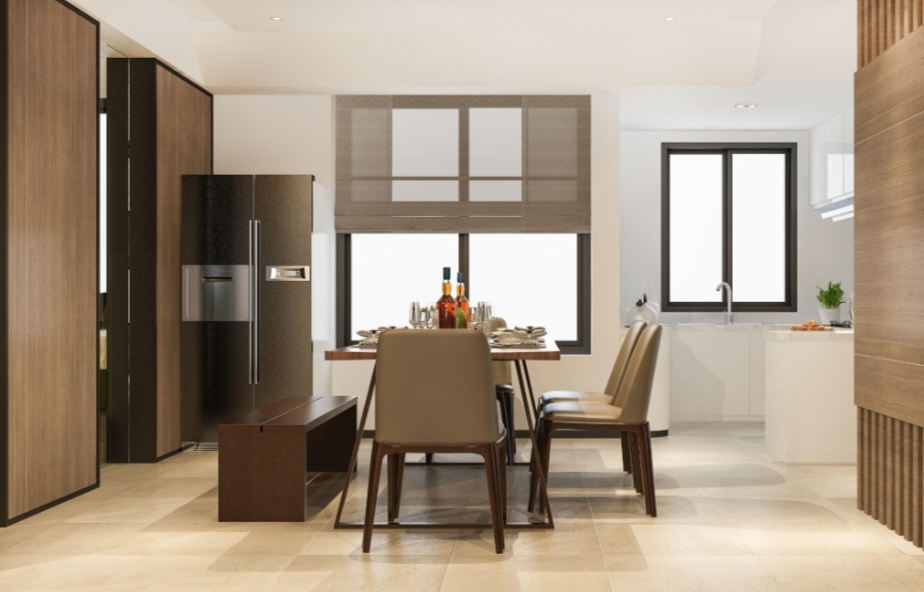
Traditional dining setups can occupy more space than necessary, especially in compact layouts. Built-in seating arranged along a wall or corner can free up central floor space while still accommodating daily use. This approach also allows for additional storage beneath the seating, which supports overall organisation. By reducing the footprint of the dining area, homeowners can maintain clearer pathways between the kitchen and living zones.
6. Concealing Entry Points for Visual Continuity
Doors that stand out against feature walls can interrupt the visual rhythm of a space, particularly in open layouts. Concealed entry points that align with surrounding finishes create a more unified appearance. When doors blend into the design, the overall layout appears cleaner and more cohesive. This subtle adjustment contributes to a sense of continuity, which supports a smoother visual flow throughout the home.
Conclusion
Improving the flow of a home does not always require major structural changes, yet it does depend on how thoughtfully each space connects. Small adjustments in layout, storage, and visual alignment can influence how comfortable and efficient daily movement feels. When homeowners prioritise flow during planning, they create a space that supports both function and long-term usability.
Contact Hoft Interior to plan a Scandinavian interior design layout that improves flow and maximises your living space..