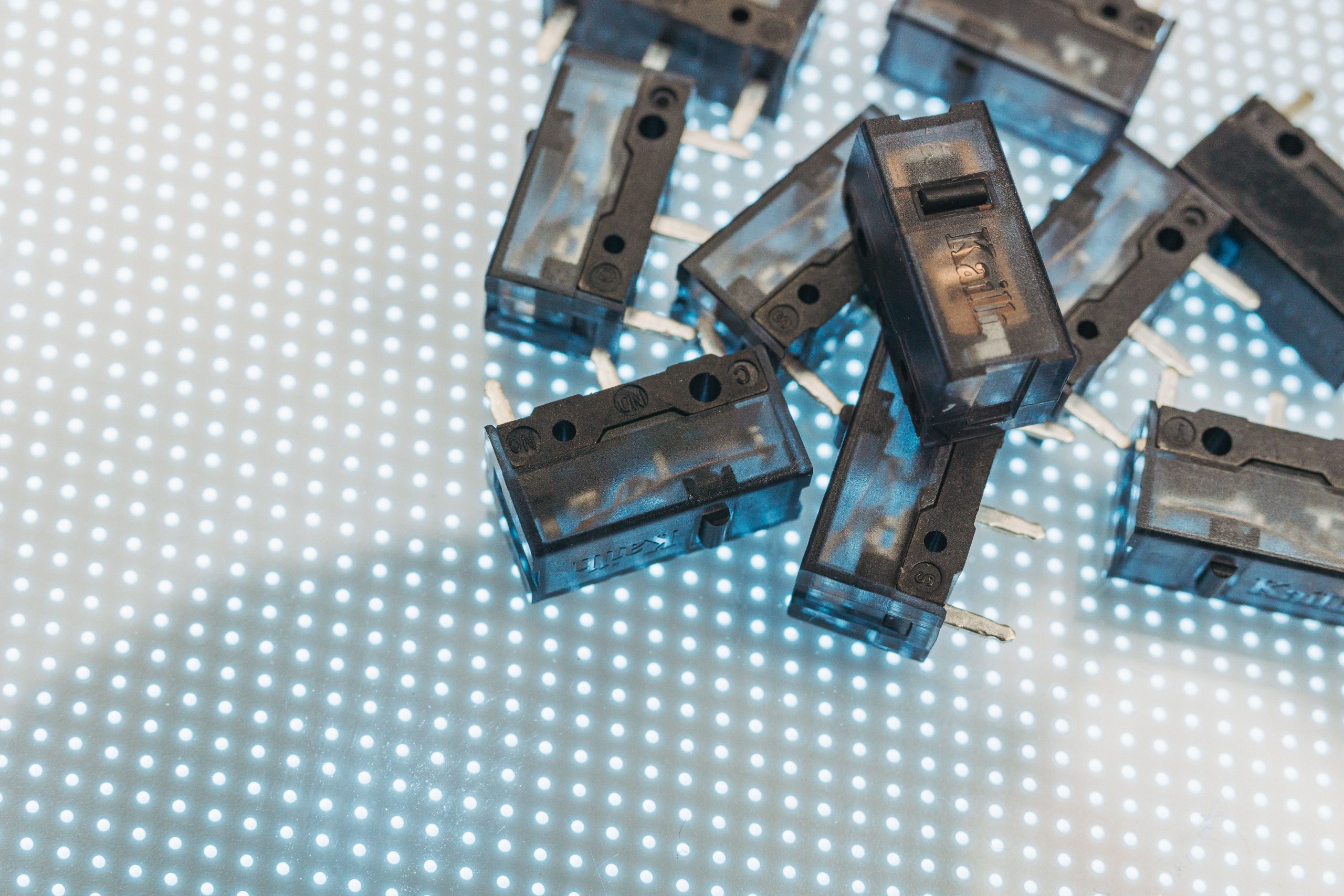
In modern manufacturing and automation, detecting objects accurately and consistently is not just a convenience, it is a necessity. Whether it is a robotic arm on an assembly line or a precision CNC machine running overnight, the sensors behind these systems quietly do one of the most critical jobs in industrial operations.
Among all sensing technologies available today, inductive proximity switches have earned a strong reputation for dependability. They work without physical contact, resist harsh environments, and deliver consistent results across thousands of operating cycles. If you have ever wondered why these sensors are so widely trusted across industries, this blog breaks it down in a straightforward, practical way that is easy to understand, regardless of your technical background.
How Non-Contact Metal Detection Actually Works in Industrial Sensors
At the heart of every inductive proximity sensor is a simple but clever principle, electromagnetic induction. The sensor generates an oscillating magnetic field from a coil inside its housing. When a metallic object enters this field, it disturbs the oscillation by drawing energy from it. The sensor detects this change and triggers an output signal.
The Role of the Oscillator Circuit
The oscillator continuously generates the electromagnetic field. Its stability directly determines how accurately and consistently the sensor detects objects at various distances.
How the Trigger Threshold Is Set
A built-in threshold comparator monitors the oscillation level. Once the signal drops beyond a defined point, it confirms an object is present and switches the output accordingly.
Why Metal Type Affects Sensing Range
Different metals interact with the electromagnetic field differently. Ferrous metals like mild steel typically allow a greater sensing range compared to non-ferrous metals such as aluminium or copper.
Signal Output and Response Time
The output signal is generated almost instantly, making these sensors ideal for high-speed production lines where missed detections can cause costly errors or safety issues.
The Practical Advantages That Make These Sensors Stand Out in Automation
The widespread use of proximity switches in industrial automation is not accidental. They offer a combination of benefits that are difficult to match with any other sensing technology, particularly in environments involving heat, dust, oil, or vibration.
No Moving Parts, No Mechanical Wear
Because there is no physical contact involved, there is nothing to wear out mechanically. This significantly extends the operational lifespan compared to contact-based sensing methods.
Resistance to Dust, Oil, and Moisture
These sensors are typically housed in robust metal or plastic casings and rated to international protection standards. They continue operating reliably even when exposed to coolants, metal shavings, or humid conditions.
Consistent Performance Across Temperature Ranges
Industrial environments often experience wide temperature fluctuations. These sensors are engineered to maintain stable output signals even when conditions shift significantly during a production shift.
Fast Switching Speeds for High-Volume Lines
Modern inductive switches can switch thousands of times per second, making them suitable for fast-moving conveyor systems, press machines, and robotic applications that demand rapid, accurate feedback.
Where These Sensors Are Most Commonly Deployed Across Industries
From food production to automotive manufacturing, object detection sensors are embedded in almost every automated process. Understanding where they are used helps appreciate just how essential they have become in everyday industrial life.
Automotive Manufacturing and Assembly Lines
Detecting the position of metal components, verifying assembly steps, and confirming part presence are all common tasks where these sensors excel in high-throughput automotive environments.
Machine Tool and CNC Machining Centres
In precision machining, knowing the exact position of a tool holder or workpiece is critical. These sensors provide the real-time feedback needed to maintain accuracy and prevent costly collisions.
Packaging and Material Handling Systems
Tracking metal parts, confirming tray positions, and controlling conveyor flows are all tasks that benefit from fast, reliable non-contact detection without the risk of contamination.
Robotics and End-of-Arm Tooling
Robotic systems rely heavily on position verification. Knowing whether a gripper has successfully picked a part or whether a component is correctly seated is essential for safe, efficient robot operation.
Understanding Output Types and Wiring Configurations
Choosing the right sensor also means understanding how it connects to your control system. The output type and wiring configuration determine compatibility with PLCs, controllers, and safety systems.
NPN vs PNP Output Types
Output type affects how the sensor interfaces with a control system. A pnp proximity sensor sources current to the load when activated, making it common in systems using positive switching logic. NPN types sink current instead, suiting different circuit requirements.
Two-Wire vs Three-Wire Sensors
Two-wire sensors are simpler to install but may have leakage current considerations. Three-wire sensors offer cleaner switching and are more commonly used in modern automation setups.
Normally Open and Normally Closed Configurations
Depending on the application, a sensor may need to switch on detection (normally open) or switch off detection (normally closed). Choosing the right configuration matters for system safety and logic design.
Shielded vs Unshielded Designs
Shielded sensors can be flush-mounted in metal surfaces without interference, while unshielded types offer extended range but need clearance around the sensing face to operate accurately.
Key Factors to Evaluate Before Selecting a Sensor for Your Application
Not every sensor suits every application. Making an informed choice requires a clear understanding of what the operating environment demands and what the control system expects.
Sensing Distance and Target Material
Always check the rated sensing distance against your target material. Most specifications are given for mild steel; correction factors apply for other metals like aluminium, brass, or stainless steel.
Environmental Protection Rating
Applications involving wash-down, coolant exposure, or outdoor conditions require sensors rated to appropriate protection levels for long-term reliability.
Housing Size and Mounting Requirements
Compact cylindrical designs suit tight spaces, while block-style housings may be needed for applications requiring panel or surface mounting with specific mechanical clearance.
How SCHUNK Brings Precision Engineering Into Automation Systems
When thinking about reliable automation, it is worth understanding how companies like SCHUNK operate at the intersection of engineering precision and practical application.
SCHUNK specialises in toolholding, workholding, gripping technology, and automation. Their work spans genuinely complex challenges, from processing micro-optical components with diameters no wider than a human hair, to moving fragile food items like butter cookies from assembly lines to packaging without breakage, to milling hip implant surfaces to closely replicate natural joint geometry.
Conclusion
Inductive proximity switches are not glamorous pieces of technology, but they are among the most dependable and widely used tools in industrial automation today. Their ability to detect metal objects without physical contact, withstand harsh operating environments, and deliver fast, consistent output signals makes them genuinely irreplaceable across sectors ranging from automotive to food processing.
Selecting the right sensor, the correct output type, housing, protection rating, and sensing range, can mean the difference between a system that runs reliably for years and one that causes frequent downtime. Understanding what an inductive switch does and how it fits into your broader automation system is the first step toward making smarter, better-informed engineering decisions that serve your operation well into the future.