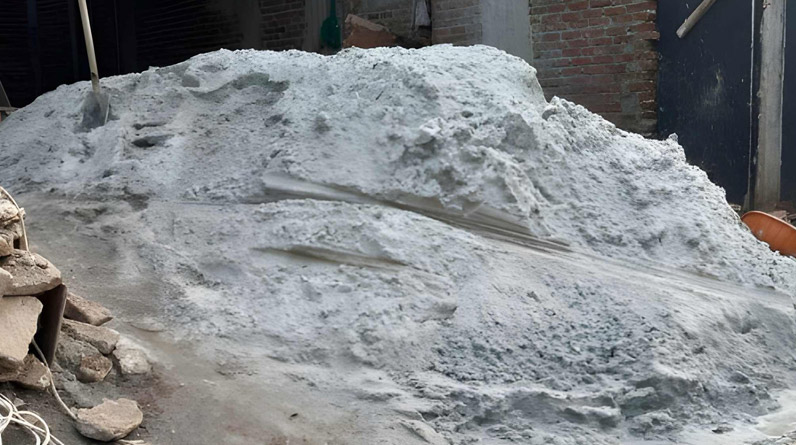
Why Choosing the Right Mix Matters
Selecting the appropriate cement and sand ratio for plastering is an essential part of achieving a strong and refined wall finish. When the mix is properly balanced, the plaster bonds securely to the surface and is far less likely to crack or weaken over time. A suitable cement and sand ratio for plastering also helps create an even, smooth appearance that enhances both the strength and the visual quality of the wall. For homeowners and builders, understanding this ratio ensures that the finished work remains reliable and aesthetically pleasing.
Ideal Cement and Sand Ratio for Plastering Walls
Standard Interior Wall Plaster
For most interior walls, a cement mix ratio for plastering of 1:6 is considered appropriate. This proportion offers a practical balance of strength and ease of application. When the correct cement and sand ratio for plastering is followed, the mixture spreads consistently and forms a clean, uniform surface suited to living rooms, bedrooms, and other interior spaces.
Exterior Wall Plaster
Exterior surfaces are exposed to moisture, sunlight, and changing temperatures, which require a stronger mix. A 1:4 ratio is commonly recommended for outdoor work. This cement sand ratio for wall plaster provides better resistance to weather conditions and helps prevent damage caused by rain or heat. Applying the proper cement and sand ratio for plastering outdoors strengthens the surface and supports long-term protection of the structure.
Special Plastering Requirements
Some areas of a building demand specific ratios. Ceilings, for instance, often benefit from a stronger 1:3 mixture that ensures the plaster remains secure. Areas exposed to moisture—such as bathrooms or basements—perform better with a richer cement sand ratio for wall plaster, as it reduces the risk of water absorption. For finishing coats, a refined cement and sand ratio for plastering allows for a smoother, polished surface that enhances the final appearance.
How to Measure and Prepare the Plaster Mix
Step-by-Step Mixing Guide
Maintaining the correct cement and sand ratio for plastering begins with precise measuring. Using the same container for all materials ensures consistent proportions. First, mix the dry cement and sand thoroughly to create an even base. Water should be added gradually until the mixture reaches a smooth, workable consistency. When prepared properly, the selected cement mix ratio for plastering creates a stable layer that adheres well to the wall.
Tips for Ensuring a Uniform Mix
Using clean, sieved sand helps produce a smoother blend with fewer imperfections. Clean water supports the strength and stability of the cement and sand ratio for plastering. Before applying the mixture, testing a small amount on a surface confirms that it adheres well and maintains its shape. A well-blended mixture offers consistent coverage and contributes to a stronger finished surface.
Common Mistakes to Avoid
Mistakes often occur when the recommended cement and sand ratio for plastering is not followed. Excess sand can weaken the plaster, while excess cement may lead to cracking. Inadequate mixing also affects both texture and strength. Applying plaster to a dry, dusty, or unprepared wall can reduce adhesion. By following the correct cement sand ratio for wall plaster and preparing the surface properly, these concerns can be avoided with confidence.
Expert Tips for Long-Lasting Plaster
Before applying plaster, the wall should be cleaned and lightly moistened to improve bonding. After application, keeping the surface damp for several days allows the plaster to cure slowly and evenly. This helps prevent cracks and enhances long-term durability. When proper curing is combined with the correct cement and sand ratio for plastering, the finished surface remains stable, strong, and visually consistent.
Conclusion
A well-chosen cement and sand ratio for plastering is vital for creating walls that maintain both strength and appearance over time. Whether used on interior walls, exterior surfaces, or in moisture-prone areas, the right ratio ensures dependable performance and lasting quality. With careful preparation, accurate mixing, and adherence to the recommended cement mix ratio for plastering or cement sand ratio for wall plaster, both builders and homeowners can achieve a finish that remains durable and attractive for years to come.