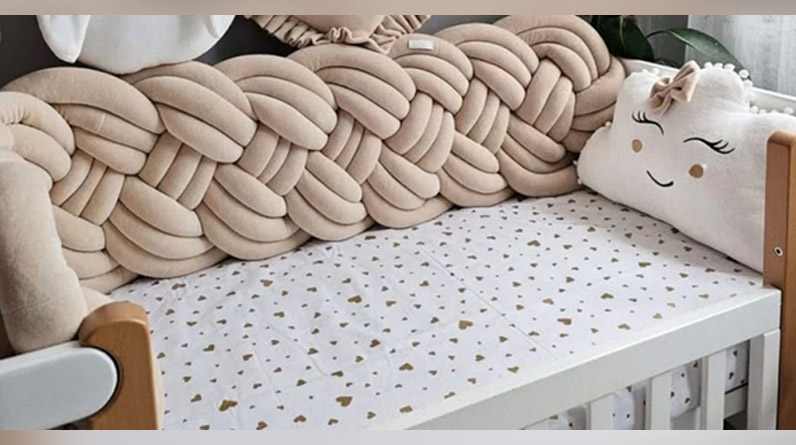
Creating a safe and cozy sleep environment for your baby is every parent’s priority. Crib bumpers are one accessory that many parents consider essential to prevent babies from bumping into crib rails. These bumpers provide a cushioned barrier around the crib, helping infants sleep comfortably while reducing the risk of minor injuries. However, with safety concerns and product variations, parents often feel confused about the right choice. This guide will walk you through everything you need to know about crib bumpers, from types and safety tips to installation and maintenance, ensuring your baby enjoys peaceful and secure sleep. By understanding the options and proper usage, you can make informed decisions that balance comfort, style, and safety for your little one.
Types of Crib Bumpers
Parents can choose from several types of crib bumpers, each designed for different needs and safety preferences:
- Traditional Padded Bumpers: Soft and plush, providing extra cushioning, but may pose higher risks if not properly fitted.
- Breathable Mesh Bumpers: Lightweight, allowing airflow, reducing suffocation or overheating risks.
- Tie-On Bumpers: Versatile, easy to secure, and compatible with various crib designs.
Selecting the right type depends on your baby’s age, sleeping habits, and safety priorities. Always consider the manufacturer’s safety certifications and reviews to ensure your crib bumpers meet high safety standards.
Safety Guidelines for Crib Bumpers
While crib bumpers can enhance comfort, safety is the top priority. Ensure that bumpers are firmly attached to prevent them from slipping or bunching, which could pose a suffocation risk. Avoid placing additional soft toys or pillows alongside the bumpers, as this may increase hazards. Always check for loose strings, buttons, or other small parts that could be a choking risk. Experts recommend using breathable materials and maintaining a minimal distance between the bumper and the mattress. Regularly inspect the bumpers for wear and tear, replacing them when needed. Following these safety guidelines helps parents enjoy the benefits of crib bumpers while keeping the baby safe.
Benefits of Using Crib Bumpers
Using crib bumpers offers several advantages:
- Protection: Prevents infants from hitting their heads or limbs on crib rails.
- Comfort: Creates a cozy, enclosed feeling, similar to being held.
- Warmth: Adds extra insulation during cooler months.
- Nursery Aesthetic: Comes in attractive designs and patterns.
- Reduced Startle Reflex Disturbances: Acts as a gentle barrier for active sleepers.
These benefits make crib bumpers a practical addition to any nursery when safety precautions are followed.
How to Install Crib Bumpers Properly
Proper installation is crucial for the safe use of crib bumpers. Here’s a step-by-step guide for parents:
| Step | Action |
| 1 | Choose a bumper that fits your crib dimensions accurately. |
| 2 | Align the bumper panels evenly around the crib rails. |
| 3 | Use the provided ties or fasteners to secure the bumper firmly. |
| 4 | Ensure the bumper is taut and does not sag into the mattress. |
| 5 | Double-check for loose ties or gaps between panels. |
Following these steps ensures that crib bumpers remain secure, reducing risks of suffocation or entanglement. Additionally, adjusting and inspecting the bumper weekly helps maintain a safe and comfortable sleep space for your baby.
Cleaning and Maintenance Tips
Maintaining hygiene is essential when using crib bumpers. Most bumpers are machine washable, but check the manufacturer’s instructions for proper care. Use mild detergent and avoid harsh chemicals that can irritate your baby’s skin. Allow bumpers to air dry completely before reattaching to prevent mold or mildew growth. Regular cleaning also keeps bumpers fresh and safe, reducing allergens and bacteria that may cause discomfort. Inspect the fabric and stitching regularly, replacing bumpers when signs of wear appear. Proper cleaning and maintenance ensure your crib bumpers remain both safe and comfortable for everyday use.
Common Mistakes Parents Make
Even with the best intentions, parents sometimes make errors that reduce the safety of crib bumpers. Being aware of these common mistakes can help caregivers provide a secure sleep environment while still enjoying the benefits of bumpers.
Some common mistakes include:
- Overstuffing the crib with toys, pillows, or extra blankets.
- Using bumpers that don’t fit properly, leaving gaps or loose areas.
- Leaving sagging panels that can entangle or trap the baby.
- Neglecting regular inspection for wear, loose ties, or fabric damage.
Avoiding these mistakes ensures that crib bumpers remain safe, functional, and effective, giving parents peace of mind while creating a cozy and secure nursery for their baby.
Choosing the Right Crib Bumpers
Selecting the right crib bumpers is essential for balancing safety, comfort, and nursery style. Parents should prioritize breathable, non-toxic materials that allow airflow and reduce suffocation risks. Proper sizing is crucial to ensure a snug fit without gaps, while design and color can complement the nursery décor.
It’s also important to choose bumpers that are easy to clean and durable for everyday use. Inspect stitching and ties for strength, and always follow manufacturer instructions. By carefully selecting the right crib bumpers, parents can provide a secure, cozy, and stylish sleep environment for their baby.
Conclusion
Crib bumpers can be a helpful addition to your baby’s nursery when chosen and used correctly. They provide comfort, prevent minor injuries, and can even enhance the nursery’s aesthetic appeal. However, safety must always come first, and parents should follow proper installation, maintenance, and usage guidelines. By understanding types, benefits, risks, and care instructions, you can ensure your baby sleeps safely and soundly, giving both the child and parents a peaceful night.
FAQs
Are crib bumpers safe for newborns?
Yes, but only if they are breathable, securely attached, and used according to safety guidelines. Avoid soft toys or pillows alongside the bumper.
How do I clean crib bumpers?
Most crib bumpers are machine washable. Use mild detergent, air dry completely, and check for wear before reinstalling.
How long should I use crib bumpers?
Crib bumpers are generally safe until your baby can sit up, stand, or pull up, usually around 12 months.
Can crib bumpers prevent my baby from rolling?
No, bumpers do not prevent rolling. They mainly protect against minor bumps and provide a cozy sleep space.
Should I choose padded or mesh crib bumpers?
Mesh bumpers are safer and breathable, reducing suffocation risks. Padded bumpers provide comfort but require careful installation.