Key Takeaways
- Many households only consider self-storage in Singapore during major life events such as moving homes, but everyday situations often create storage needs as well.
- Temporary storage can help manage clutter during home renovations, relocations, or lifestyle changes.
- Self-storage is frequently used to protect furniture, seasonal items, and personal belongings that are not needed daily.
- Individuals, families, and small business owners often rely on storage units to manage space constraints in urban housing environments
Introduction
Space is a constant constraint in dense urban environments. Homes, apartments, and even offices are often designed with limited storage areas. Since lifestyles evolve and possessions accumulate, people frequently face situations where they need additional space but do not want to permanently dispose of their belongings. This situation is where self-storage becomes a practical solution.
While many people associate storage units with major life events such as moving houses, there are several everyday situations where temporary storage becomes unexpectedly useful. From renovations to lifestyle transitions, storage units provide flexibility that allows individuals to manage their belongings without overcrowding their living spaces.
1. Home Renovations and Interior Upgrades
One of the most common everyday scenarios where storage units become useful is during home renovation projects. Renovations often involve moving furniture, appliances, and personal belongings out of certain rooms so contractors can work safely and efficiently. However, many homes lack sufficient spare rooms or storage areas to temporarily hold these items.
Self-storage in Singapore allows homeowners to relocate furniture and personal belongings outside the home during renovation periods. This approach reduces the risk of accidental damage from dust, paint, construction tools, or heavy equipment. It also creates a clearer working environment for contractors, which can improve renovation efficiency.
Once the renovation is complete, homeowners can gradually move their belongings back into the refreshed space. The ability to temporarily relocate items without permanently discarding them makes storage units particularly practical during these projects.
2. Moving Between Homes
Another everyday situation where storage units become useful occurs during residential moves. Moving dates do not always align perfectly. A tenant might need to vacate one property before their new home is ready, or renovation work in the new property might delay the move-in timeline.
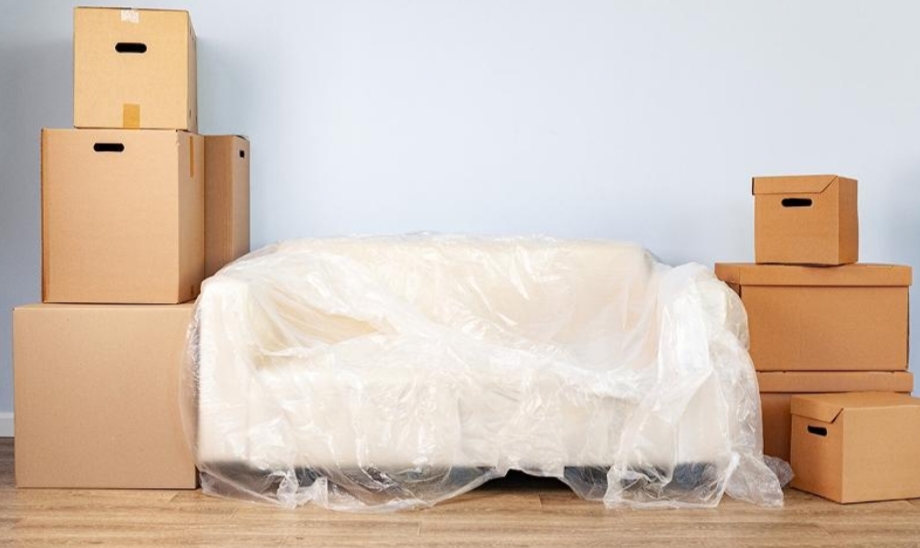
Self-storage provides a temporary holding space for furniture, boxes, and personal items. Instead of transporting belongings multiple times or crowding them into temporary accommodation, individuals can store them securely until the new home is available.
This approach simplifies the logistics of relocation. Movers can transport belongings directly into storage, and the items can later be delivered to the new residence when the move-in date arrives. This flexibility is particularly useful in housing markets where the timing between leases or property transactions can vary.
3. Decluttering Without Throwing Items Away
Many households face a common problem: accumulating belongings that are rarely used but still valuable or meaningful. Seasonal decorations, sports equipment, old documents, or extra furniture can gradually occupy valuable living space.
Rather than discarding these items, people often choose self-storage as a way to declutter their homes without losing access to their possessions. Storage units allow households to move infrequently used items out of their primary living areas while still retaining them for future use.
This approach supports more organised living spaces. Individuals, by relocating non-essential items into storage, can maintain a cleaner and more functional home environment while still preserving items that may be needed later.
ALSO READ: Who Uses Storage Units in Singapore? A Look at Everyday Use Cases
4. Temporary Storage During Life Transitions
Life transitions frequently create temporary storage needs. Examples include individuals studying overseas, families relocating temporarily for work assignments, or couples merging households after marriage. That said, in these situations, belongings may not immediately fit into the available living space.
Self-storage in Singapore allows individuals to store furniture, personal items, or household goods while they adjust to new living arrangements. Instead of rushing decisions about selling or discarding possessions, storage units offer time to evaluate what items should be kept, donated, or relocated.
This flexibility is particularly useful when long-term plans are uncertain. Storage units provide a temporary solution that helps individuals manage transitions without making immediate, permanent decisions about their belongings.
Conclusion
Storage units are often associated with major life events, but many everyday situations create temporary space challenges. Renovations, home moves, decluttering efforts, and lifestyle transitions can all create short-term storage needs that households may not anticipate.
Individuals, by using self-storage in Singapore, gain access to flexible storage space that supports these situations without overcrowding their homes. Whether used for a few weeks or several months, storage units allow people to manage their belongings more efficiently while maintaining organised living environments.
Contact Work+Store to keep your belongings organised without overcrowding your living space.