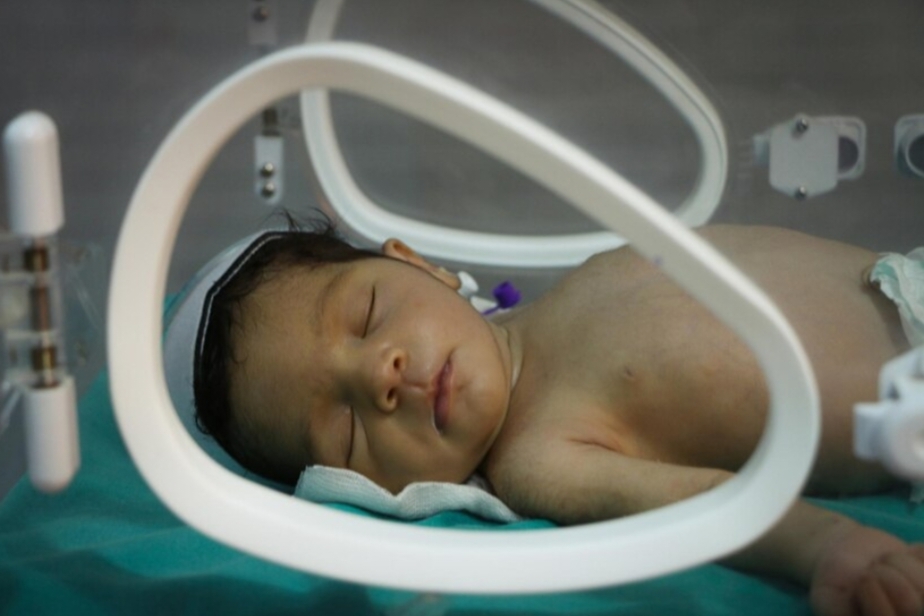
The first few weeks of a newborn’s life are important for growth and development. While many babies are born healthy, some may require specialized medical care due to premature birth, low birth weight, or other health concerns. This is where a neonatologist plays an important role.
A neonatologist is a doctor who specializes in the care of newborns, especially those who are ill or require intensive medical support. These specialists work in neonatal intensive care units (NICUs) and are trained to manage complex conditions affecting newborns.
Understanding common conditions treated by neonatologists can help parents recognize when specialized care may be needed and provide reassurance during this important phase.
What Does a Neonatologist Do?
Neonatologists are pediatricians with advanced training in newborn care. They focus on diagnosing and treating health conditions that occur in the first 28 days of life.
Key Responsibilities
Neonatologists are involved in:
- Managing premature or critically ill newborns
- Monitoring growth and development
- Providing respiratory support
- Treating infections and complications
- Coordinating care with pediatric specialists
They work closely with nurses and other healthcare professionals to ensure comprehensive care for newborns.
Common Conditions Treated by Neonatologists
Neonatologists manage a wide range of conditions, from mild to life-threatening. Early diagnosis and treatment are essential for improving outcomes.
1. Premature Birth (Preterm Babies)
Premature birth occurs when a baby is born before 37 weeks of pregnancy.
Challenges Faced by Premature Babies
Preterm babies may have:
- Underdeveloped lungs
- Difficulty maintaining body temperature
- Feeding challenges
- Increased risk of infections
Neonatologists provide specialized care, including respiratory support, nutritional management, and temperature regulation.
2. Low Birth Weight
Babies born with low birth weight may require additional medical attention.
Causes of Low Birth Weight
- Premature birth
- Poor maternal nutrition
- Pregnancy complications
Low birth weight babies may have difficulty feeding, maintaining body temperature, and gaining weight.
Treatment focuses on nutritional support and close monitoring of growth.
3. Neonatal Jaundice
Jaundice is a common condition in newborns, characterized by yellowing of the skin and eyes.
Causes of Jaundice
Jaundice occurs due to high levels of bilirubin in the blood.
Treatment Options
- Phototherapy (light therapy)
- Monitoring bilirubin levels
- In rare cases, advanced treatments
Most cases are mild and resolve with proper care, but severe jaundice requires prompt treatment to prevent complications.
4. Respiratory Distress Syndrome (RDS)
Respiratory distress syndrome is common in premature babies due to underdeveloped lungs.
Symptoms
- Rapid breathing
- Grunting sounds
- Difficulty breathing
Neonatologists may provide oxygen therapy, mechanical ventilation, or medications to support lung function.
5. Infections in Newborns
Newborns have immature immune systems, making them more vulnerable to infections.
Common Types of Infections
- Sepsis (blood infection)
- Pneumonia
- Meningitis
Early diagnosis and antibiotic treatment are essential to prevent complications.
6. Birth Asphyxia
Birth asphyxia occurs when a baby does not receive enough oxygen during birth.
Possible Effects
- Brain injury
- Organ damage
- Developmental delays
Immediate medical intervention is required to stabilize the baby and minimize long-term effects.
7. Congenital Disorders
Some babies are born with structural or genetic abnormalities.
Examples
- Congenital heart defects
- Neural tube defects
- Genetic syndromes
Neonatologists coordinate care with specialists to manage these conditions and plan treatment.
8. Feeding Difficulties
Some newborns may have trouble feeding, especially premature babies.
Common Issues
- Weak sucking reflex
- Difficulty swallowing
- Poor weight gain
Treatment may include specialized feeding techniques or nutritional support through feeding tubes.
In Delhi, parents with newborns requiring advanced care commonly seek guidance from specialists, and many consider consulting the best neonatologist in Delhi for comprehensive neonatal evaluation and treatment.
Importance of Neonatal Intensive Care Units (NICU)
NICUs are specialized hospital units designed to care for newborns with serious health conditions.
Features of NICU Care
- Advanced monitoring equipment
- Temperature-controlled incubators
- Respiratory support systems
- Specialized nursing care
NICUs provide a controlled environment where newborns receive continuous monitoring and treatment.
How Neonatologists Support Long-Term Health
Neonatologists not only treat immediate health issues but also monitor long-term development.
Follow-Up Care
- Growth monitoring
- Developmental assessments
- Early intervention for delays
Early support can improve outcomes and help children reach developmental milestones.
When Should Parents Consult a Neonatologist?
Not all newborns require specialized care, but certain situations may require consultation.
Signs That Require Medical Attention
- Difficulty breathing
- Poor feeding
- Low birth weight
- Persistent jaundice
- Fever or infection symptoms
Early consultation ensures timely diagnosis and treatment.
Parental Role in Newborn Care
Parents play an important role in supporting their baby’s health.
Key Practices
- Following medical advice
- Ensuring proper feeding
- Maintaining hygiene
- Attending follow-up visits
Parental involvement contributes to better recovery and development.
Frequently Asked Questions
What is a neonatologist?
A neonatologist is a doctor specializing in the care of newborns, particularly those who are premature or have medical complications.
When does a baby need NICU care?
Babies may need NICU care if they are premature, have breathing problems, low birth weight, or serious medical conditions.
Is neonatal jaundice serious?
Most cases are mild, but severe jaundice requires treatment to prevent complications.
Can premature babies live healthy lives?
Yes. With proper medical care and follow-up, many premature babies grow and develop normally.
How long do newborns stay in NICU?
The duration depends on the baby’s condition. Some stay for a few days, while others may require longer care.
Conclusion
Neonatologists play a vital role in ensuring the health and well-being of newborns, especially those facing medical challenges. From managing premature birth and infections to treating respiratory and developmental issues, these specialists provide critical care during the earliest stages of life.
Early diagnosis, specialized treatment, and continuous monitoring help improve outcomes for newborns. With the support of neonatologists and NICU care, many babies overcome early health challenges and grow into healthy children.
Understanding common newborn conditions and seeking timely medical care can make a significant difference in ensuring a safe and healthy start to life.