Electric mobility is steadily reshaping urban transportation as fuel prices continue to rise and traffic congestion becomes more challenging. In this transition, EV two-wheelers are playing a significant role in redefining daily commuting.
They offer lower running costs, reduced emissions, and improved riding comfort compared to conventional petrol-powered vehicles. However, selecting the right model involves more than simply comparing prices.
From battery capacity and riding range to charging time and long-term ownership costs, several factors influence the overall value of your investment. This blog explains what truly matters before purchasing EV two-wheelers and highlights the key considerations every buyer should evaluate
Why are EV Two-wheelers are Becoming so Popular?
The demand for EV two-wheelers is growing rapidly, especially in urban areas where daily commuting costs are rising. For many riders, switching to EV two-wheelers is about sustainability and about saving money.
Key reasons behind this shift include:
- Rising petrol prices
- Lower running costs
- Government subsidies
- Minimal maintenance requirements
Unlike petrol scooters, EV two-wheelers have fewer moving parts, which means less wear and tear. Over time, this significantly reduces servicing expenses.
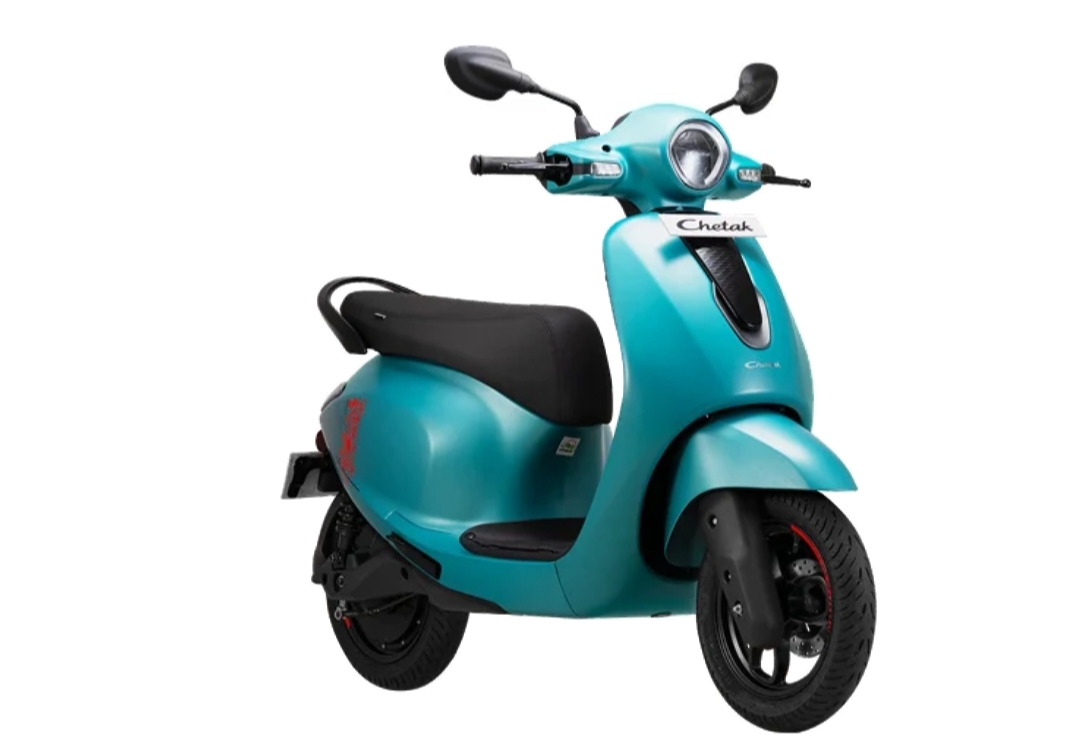
Bajaj Chetak C2501
Image Source: Bajaj
Battery Capacity and Range: What to Expect
One of the most important factors to evaluate when buying an EV two-wheeler is battery capacity. Most modern models come equipped with 2.5 to 3.5 kWh lithium-ion batteries, offering a balanced mix of performance and efficiency.
With this battery capacity, EV two-wheelers typically provide a range of 113-151 km on a single charge, depending on riding conditions and usage patterns.
However, the real-world range can vary based on:
- Riding speed
- Traffic conditions
- Road incline
- Rider weight
- Selected riding mode
For instance, if your daily travel is under 40 kilometres, EV two-wheelers within this range bracket can easily meet your needs without frequent charging.
Charging Time and Everyday Convenience
The convenience of charging plays a major role in long-term satisfaction. Most EV two-wheelers with a 2.5 to 3.5 kWh battery offer a charging time of approximately 2.5 to 3.5 hours under standard or quick charging conditions.
This allows you to:
- Charge overnight at home
- Fully recharge within a short window
For apartment residents, removable battery options in some EV two-wheelers make charging even more practical. Always assess your parking and charging access before finalising your purchase.
Upfront Cost vs Long-term Value
While EV two-wheelers may have a slightly higher initial price compared to petrol models, the long-term savings can be substantial.
You save on:
- Fuel expenses
- Engine oil changes
- Frequent servicing
- Mechanical repairs
Many riders find that EV two-wheelers become more economical overall. Government incentives further improve affordability, making the total cost of ownership highly competitive.
Performance and Riding Experience
There is a common misconception that EV two-wheelers lack power. In reality, most modern models deliver instant torque, which provides quick acceleration in city traffic.
Many EV two-wheelers also feature:
- Multiple riding modes
- Digital dashboards
- Smart connectivity
For urban commuting, the smooth, silent ride often feels more refined than that of traditional petrol scooters. A test ride can help you understand throttle response, braking stability, and ride comfort.
Safety and Build Quality
When comparing EV two-wheelers, safety should remain a priority. Look for:
- Disc brakes
- Combined braking systems
- Durable chassis construction
- Quality suspension
Also, check the battery warranty, as this is a critical component. Reliable EV two-wheelers typically offer multi-year battery coverage, ensuring long-term peace of mind.
Smart Checklist Before Buying
Before purchasing EV two-wheelers, ensure that you look for these features:
- Calculate Your Daily Commute Distance
Understand how many kilometres you travel on an average weekday and weekend. This helps you choose a battery capacity that comfortably supports your routine.
- Compare Claimed vs Real-world Range
Manufacturer claims are tested under ideal conditions. Check user reviews and independent road tests to understand actual performance.
- Check Charging Accessibility
Ensure you have a reliable home charging setup or access to nearby stations. Convenient charging makes daily usage stress-free and practical.
- Review Warranty Terms Carefully
Look closely at battery warranty duration and coverage limits. Clear warranty support protects you from unexpected replacement costs.
- Assess Long-term Ownership Costs
Calculate electricity expenses over time instead of focusing only on the purchase price. Include servicing, insurance, and other expenses in your budget planning.
- Take Multiple Test Rides
Pay attention to comfort, braking response, suspension quality, and throttle control.
A careful evaluation helps you make a confident decision.
Upgrade Your Commute the Smart Way
Making the switch to an electric scooter is about making a smarter commuting choice. EV two-wheelers today offer practical range, manageable charging time, and meaningful cost savings for daily riders.
Instead of delaying the decision, start by shortlisting models that match your commute and budget. After comparing specifications, take a closer look at options like the Bajaj Chetak C2501, 3503, 3502, and 3501 to understand how features vary within the same lineup.
Book a test ride, calculate your real monthly savings, and evaluate charging convenience at home. A well-planned step today can future-proof your daily commute.