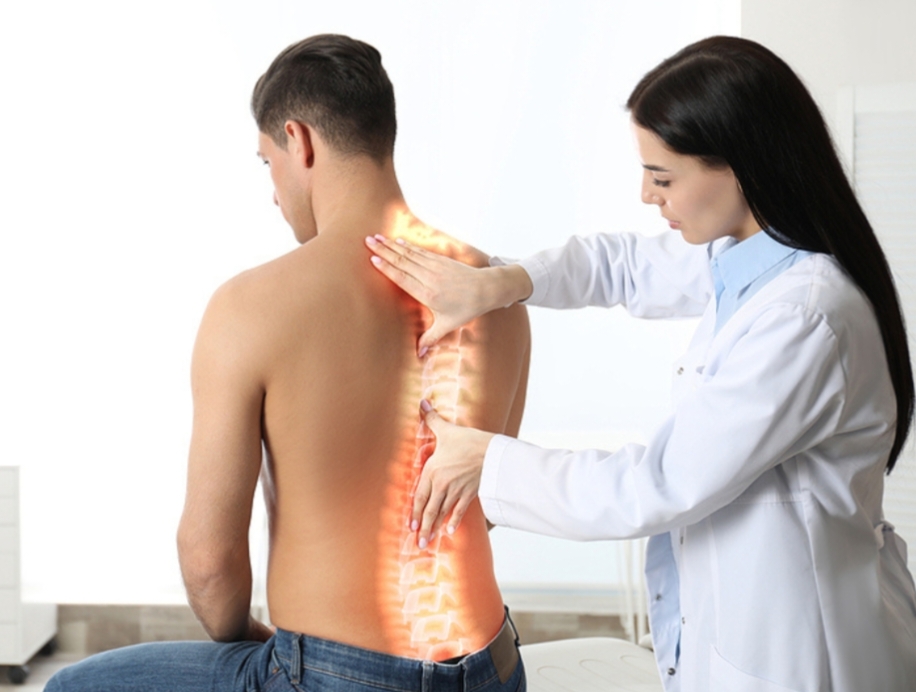
The spine plays a key role in supporting body movement, posture, and overall stability. It protects the spinal cord, which carries signals between the brain and the rest of the body. When spinal health is compromised, it can lead to pain, stiffness, and reduced mobility.
Spine-related conditions are increasingly common due to sedentary lifestyles, poor posture, aging, and injuries. Fortunately, advancements in modern spine treatment have made it possible to manage these conditions effectively and improve mobility.
Modern spine care focuses on accurate diagnosis, minimally invasive procedures, rehabilitation, and long-term prevention strategies. Understanding how these treatments work can help individuals take the right steps toward restoring movement and quality of life.
Understanding Common Spine Problems
Spinal issues can affect people of all ages and may vary in severity. Some conditions develop gradually, while others may occur suddenly due to injury.
Common Spine Conditions
Some of the most common spine-related problems include:
- Herniated or slipped discs
- Degenerative disc disease
- Spinal stenosis
- Sciatica
- Scoliosis
- Chronic lower back pain
These conditions can cause symptoms such as pain, numbness, tingling, muscle weakness, and difficulty moving.
How Spine Conditions Affect Mobility
The spine supports body movement, including bending, twisting, and walking. When spinal structures are affected, mobility can become limited.
Impact on Daily Activities
Spine problems may lead to:
- Difficulty standing or walking for long periods
- Reduced flexibility
- Pain during movement
- Muscle weakness
- Loss of balance
These limitations can affect daily activities such as working, exercising, or even performing basic tasks.
Modern Approaches to Spine Treatment
Advancements in medical technology have transformed spine care. Treatment approaches now focus on improving mobility while minimizing discomfort and recovery time.
1. Accurate Diagnosis and Imaging
Modern spine treatment begins with a detailed evaluation.
Diagnostic Tools Include
- Magnetic resonance imaging (MRI)
- Computed tomography (CT) scans
- X-rays
- Nerve conduction studies
These tools help identify the exact cause of pain and guide treatment planning.
2. Non-Surgical Treatments
Many spine conditions can be managed without surgery.
Common Non-Surgical Options
- Physical therapy
- Pain management medications
- Anti-inflammatory treatments
- Lifestyle modifications
- Posture correction
Physical therapy plays a key role in strengthening muscles, improving flexibility, and restoring movement.
3. Minimally Invasive Spine Procedures
When conservative treatments are not effective, minimally invasive procedures may be recommended.
Benefits of Minimally Invasive Surgery
- Smaller incisions
- Reduced blood loss
- Less pain after surgery
- Faster recovery
- Shorter hospital stays
These procedures allow patients to return to normal activities more quickly compared to traditional surgery.
In Banaswadi, individuals experiencing chronic back pain or mobility limitations commonly explore advanced care options offering the best spine treatment in Banaswadi to improve function and reduce discomfort.
4. Advanced Pain Management Techniques
Pain management is an important part of spine treatment.
Techniques May Include
- Epidural steroid injections
- Nerve blocks
- Radiofrequency ablation
These treatments help reduce inflammation and relieve pain, allowing patients to participate in rehabilitation.
5. Rehabilitation and Physical Therapy
Rehabilitation is essential for restoring mobility after treatment.
Goals of Rehabilitation
- Improve strength and flexibility
- Restore movement patterns
- Prevent future injuries
- Enhance balance and coordination
Therapists design personalized exercise programs based on the patient’s condition and recovery stage.
How Modern Spine Treatment Improves Mobility
Modern spine treatments focus not only on pain relief but also on restoring function.
Reducing Pain and Inflammation
Pain commonly limits movement. By reducing inflammation and relieving pressure on nerves, treatments help patients move more comfortably.
Restoring Nerve Function
Some spine conditions compress nerves, causing numbness or weakness.
Relieving nerve pressure improves:
- Muscle strength
- Sensation
- Coordination
This helps restore normal movement patterns.
Improving Flexibility and Strength
Therapeutic exercises strengthen muscles that support the spine.
Improved strength and flexibility allow patients to:
- Move more freely
- Maintain better posture
- Reduce strain on the spine
Enhancing Posture and Alignment
Poor posture can worsen spine problems.
Modern treatment plans generally include posture correction techniques that:
- Improve spinal alignment
- Reduce stress on joints
- Prevent recurrence of pain
Supporting Long-Term Mobility
Modern spine care emphasizes long-term health.
Patients are encouraged to adopt habits that support mobility, such as:
- Regular exercise
- Proper ergonomics
- Weight management
These measures help maintain spinal health and prevent future issues.
Who Can Benefit from Modern Spine Treatment?
Spine treatment may be beneficial for individuals experiencing:
- Chronic back or neck pain
- Limited mobility
- Nerve-related symptoms, such as numbness or tingling
- Difficulty performing daily activities
- Spine injuries
Early treatment can prevent complications and improve recovery outcomes.
When to Seek Medical Attention
It is important to consult a healthcare professional if spine-related symptoms persist or worsen.
Warning Signs Include
- Severe or persistent back pain
- Pain radiating to arms or legs
- Weakness or numbness
- Difficulty walking or balancing
- Loss of bladder or bowel control
Early evaluation helps identify the cause and determine appropriate treatment.
Preventing Spine Problems
Maintaining spinal health can reduce the risk of mobility issues.
Tips for Spine Health
- Maintain proper posture
- Stay physically active
- Use ergonomic furniture
- Avoid heavy lifting without support
- Strengthen core muscles
Preventive care plays a key role in long-term mobility.
Frequently Asked Questions
What is the most common cause of back pain?
Common causes include muscle strain, poor posture, herniated discs, and degenerative spine conditions.
Can spine problems be treated without surgery?
Yes. Many spine conditions can be managed with physical therapy, medications, and lifestyle changes.
How long does recovery take after spine treatment?
Recovery time varies depending on the condition and treatment method. Minimally invasive procedures usually allow faster recovery.
Is exercise safe for spine problems?
Yes, when guided by a professional. Proper exercises can strengthen muscles and improve mobility.
When is spine surgery necessary?
Spine surgery may be recommended when non-surgical treatments fail or when there is severe nerve compression or structural damage.
Conclusion
Modern spine treatment has significantly improved the way spinal conditions are managed. With advancements in diagnostic tools, minimally invasive procedures, and rehabilitation techniques, patients can achieve better mobility and quality of life.
By focusing on pain relief, functional recovery, and long-term prevention, modern spine care helps individuals regain independence and return to daily activities.
Seeking timely medical evaluation and following a structured treatment plan can make a meaningful difference in improving mobility and maintaining spinal health.