Key Highlights
- Understand the specific age groups and developmental focuses of each service.
- Assess your child’s social, emotional, and physical readiness for structured routines.
- Evaluate the teacher-to-child ratios required for safe, attentive care.
- Consider how each option aligns with your family’s daily schedule and work commitments.
Introduction
For working parents, selecting the right early childhood environment is one of the most important decisions they will make. The options available can feel overwhelming, especially when trying to understand the differences between various care services.
Both services play vital roles in a child’s early development, but they cater to different stages of growth. Choosing the right option depends on your child’s age, developmental milestones, and your family’s daily needs. This article outlines four key considerations to help you choose the best fit for your child.
1. Evaluate Your Child’s Exact Age and Developmental Stage
Age is the most straightforward factor when choosing between early childhood services. Infant care in Singapore caters specifically to babies aged two months to eighteen months. These programmes focus on sensory development, motor skills, and responsive caregiving in a safe, nurturing environment.
In contrast, a preschool in Singapore is designed for children aged eighteen months to six years. These programmes introduce more structured daily routines, language development, social interactions, and early academic concepts, helping children prepare for the transition to primary school.
2. Compare Teacher-to-Child Ratios and Care Styles
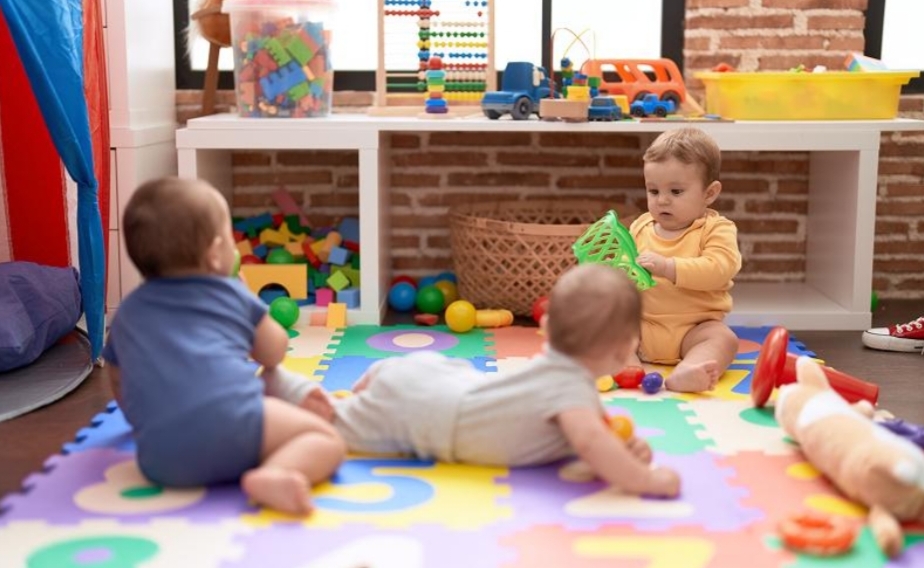
Infants require constant, highly personalised attention to meet their basic needs, such as feeding, diapering, and sleeping. Infant care centres maintain very low teacher-to-child ratios to ensure every baby receives immediate, attentive care from trained professionals.
As children grow into toddlers, their need for independent exploration and peer interaction increases. Preschool classrooms have slightly higher ratios but are designed to support active learning. Educators focus on guiding social behaviour, emotional regulation, and group communication during interactive play.
3. Consider Socialisation and Peer Interaction Needs
For very young babies, development is centred on secure attachment with primary caregivers and sensory exploration. They do not yet require structured peer interaction, making the quiet, highly focused environment of infant care ideal for their well-being.
However, as children pass the eighteen-month mark, they begin to benefit from playing alongside and interacting with peers. Preschool environments provide structured opportunities for children to learn sharing, cooperation, and conflict resolution through guided group activities and collaborative play.
4. Assess Learning Curricula and Daily Routines
The daily schedule in an infant care program is highly flexible, designed to match each baby’s natural sleep and feeding patterns. The focus is on tactile stimulation, basic movement, and responsive interactions that build trust and emotional security. Caregivers adjust activities throughout the day to ensure each infant feels secure and attended to. This personalised rhythm supports healthy attachment and early developmental milestones.
Preschools operate on a more structured daily schedule, incorporating outdoor play, circle time, music, art, and early literacy activities. This structured routine helps children develop self-help skills, independence, and the cognitive habits they need for future learning. Clear transitions between activities also teach children how to follow instructions and manage expectations. Over time, this consistency strengthens attention span and prepares them for primary school environments.
Conclusion
Choosing between infant care and preschool involves understanding your child’s current developmental stage. Providing the right environment at the right age ensures your child feels secure, supported, and inspired to learn as they grow. Observing your child’s social, emotional, and cognitive readiness can guide this important decision. A well-matched setting supports smoother transitions as they progress through early education.
Partnering with an established early childhood provider gives you peace of mind that your child is receiving high-quality, professional care tailored to their developmental needs. Experienced educators can identify milestones and respond promptly to areas that require additional attention. This structured support builds a strong foundation for future academic and personal growth.
To learn more about our high-quality early childhood and care programmes, contact E-Bridge Pre-School to schedule a school tour today.