Starting a drinkware business can be attractive because the category serves many markets, from fitness and travel to retail, corporate gifting, and everyday lifestyle use.
But choosing a good-looking bottle is only the beginning.
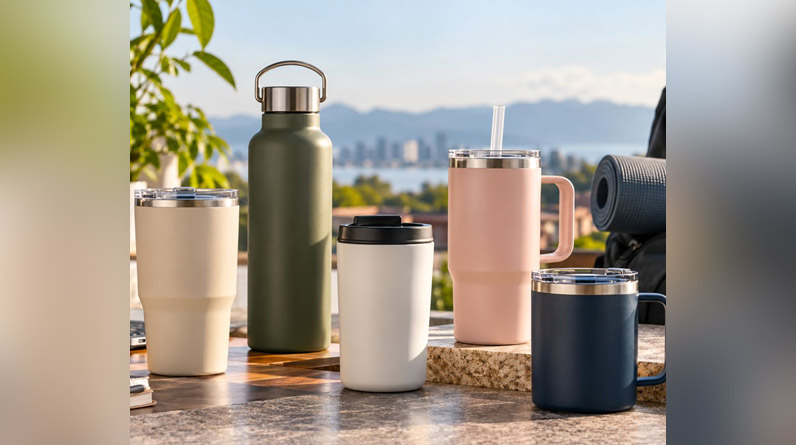
China’s leading stainless steel drinkware manufacturer Xingcai, operates in a market that includes insulated bottles, tumblers, travel mugs, sports bottles, and food jars. For new brands, wholesalers, and distributors, the bigger challenge is deciding what to sell, who to sell it to, and how to build a reliable supply chain.
Know Your Customer and Keep the Product Range Focused
Before choosing products, define who you want to serve.
A fitness brand may need durable bottles that are easy to carry and clean. Travelers may care more about portability and leak resistance. Corporate buyers often want customization, while lifestyle customers may focus on color, finish, and design.
B2B buyers have different priorities too. Retailers may want products with broad appeal, while distributors need dependable supply and easy reordering.
Once the audience is clear, build a small product range around their needs. You do not need a large catalog for your first launch. A few well-chosen insulated bottles, tumblers, or travel mugs are easier to manage than dozens of similar SKUs.
Compare practical details such as capacity, material, lid style, insulation, weight, surface finish, branding area, and packaging. Study competing products and customer reviews to see which features people value and where existing products fall short.
Choose the Right Supplier and Check Quality Early
Your sourcing model will affect pricing, customization, minimum order quantities, and development time.
Wholesale is usually the simplest route. Private label allows you to add branding to an existing design. ODM products can often be adapted, while OEM manufacturing gives you greater control over specifications.
More customization can also mean higher tooling costs, larger orders, and longer development times. For a new business, modifying an established design may be a more practical way to test demand.
When comparing manufacturers, look beyond unit price. Consider production capacity, material options, customization, quality control, lead times, packaging, and communication. Manufacturers such as Xingcai may offer private-label, OEM, and ODM options, but buyers should still compare those capabilities with their own requirements.
Always request samples before production. Test the lid, finish, insulation, seals, and overall construction. You should also confirm material specifications, available testing documents, and the food-contact, labeling, and packaging requirements for the markets where you plan to sell.
Build the Brand Around How You Plan to Sell
You do not always need a completely custom bottle to create a recognizable brand.
Colors, finishes, logo placement, packaging, photography, and product naming can make an existing design feel distinctive. The important thing is that these choices fit your target customer and remain consistent across your products and marketing.
Your sales channel should influence these decisions too.
A retailer may care about attractive packaging and reliable restocking. Ecommerce brands need products that photograph well and stand out online. Corporate buyers often value customization and dependable delivery schedules.
Choosing your main sales channel early can help you make better decisions about product design, packaging, pricing, and presentation.
Understand Your Costs and Manage Inventory Carefully
The factory quote is not the final cost of the product.
Your landed cost may include customization, packaging, freight, duties, taxes, customs charges, and local delivery. You may also need to account for storage, fulfillment, marketplace fees, marketing, returns, and damaged stock.
Your sales model also affects the margin you need. Direct-to-consumer brands may spend more on marketing and fulfillment, while distributors and retailers need enough room between the factory cost and final selling price.
Inventory is another important consideration.
Too many colors, sizes, and designs can quickly create dozens of SKUs. Start with a limited range and monitor which products sell and reorder most often. Production and shipping lead times should also be considered when planning restocks.
For wholesalers and distributors, repeat-order consistency matters just as much as the first order. Future batches should closely match earlier production in materials, finish, dimensions, and packaging.
Launch Small and Expand With Evidence
Your first collection should help you learn what the market actually wants.
Track which products sell, which features customers mention, what gets returned, and what questions appear repeatedly.
Use that information to decide what comes next.
You might add a new color, introduce another capacity, improve a lid, or expand into a related product category.
Starting with a focused range allows you to test the product, supplier, pricing, and sales channel without taking on unnecessary inventory. Once you know what customers want and can reproduce it consistently, expanding the business becomes much easier.