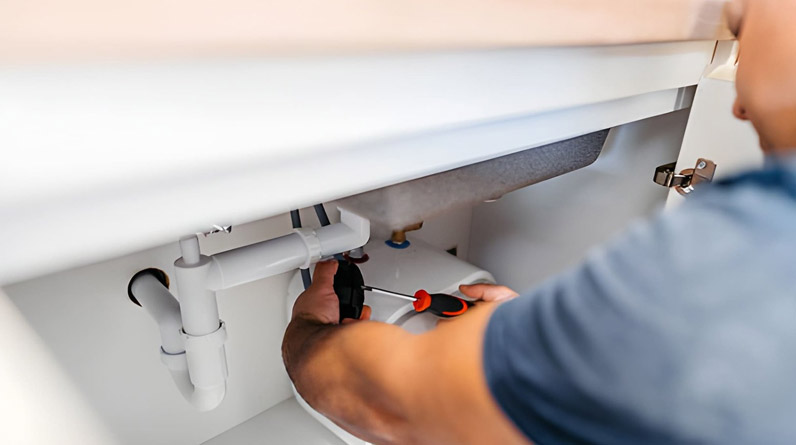
When faced with a leaky faucet or a clogged drain, homeowners may ponder whether to call a professional plumber or attempt a do-it-yourself (DIY) fix. According to the Plumbing Manufacturers International, an estimated 13.7 percent of water use is due to leaks, underlining the need for timely and effective repairs. Balancing the immediacy of the issue with the potential long-term implications is a key factor in this decision-making process.
This article explores the nuances of professional plumbing versus DIY efforts, weighing the advantages and drawbacks of each approach. Below, discover the scenarios where one may be more suitable than the other, and learn how to make an informed choice for your home’s plumbing needs.
Analyzing the Pros and Cons of Professional Plumbing Services
Hiring a professional plumber ensures that complex plumbing problems are handled with expertise and precision. Licensed plumbers have the proper training and tools to diagnose issues accurately, often providing warranties for their work. This peace of mind is one of the primary advantages of opting for professional services.
However, the expense can be a significant deterrent for some homeowners, especially for small or seemingly straightforward tasks. Professional plumbers typically charge by the hour, including any additional time spent sourcing parts, which can quickly add up. Considering this, it’s essential to get a clear estimate upfront to avoid unexpected costs.
To mitigate risks, homeowners should plumber seek out qualified and reputable professionals. Check for licensure, insurance, and reviews from past customers to ensure you hire a plumber who provides quality service at a fair price. Establish clear communication about the job scope and pricing before work begins to avoid any misunderstandings.
DIY Plumbing Projects: When to Consider Taking the Plunge
Turning to DIY plumbing can be appealing for simple repairs and for those looking to save money. Tasks such as replacing a showerhead, fixing a running toilet, or unclogging a drain might be well within the capabilities of a handy homeowner. There’s a certain satisfaction in solving the problem yourself and seeing immediate results.
However, it’s imperative to recognize one’s limits. The accessibility of video tutorials and forums can instill a false sense of confidence. A report from the Institute for DIY Studies found that overconfidence in one’s repair abilities can lead to costlier mistakes that may have been avoided with professional help.
Before you decide to tackle a plumbing project, evaluate the complexity of the job and your own skill level. If you choose to proceed, make sure you have the necessary tools and a clear understanding of the process. Home improvement stores often offer advice and may rent out specialized tools for occasional use.
Assessing the Risks and Rewards of Self-Taught Plumbing Repairs
Self-taught plumbing endeavors carry a unique set of risks and rewards. Properly executed, they can provide substantial savings and the development of useful skills. Moreover, acquiring the knowledge to handle minor repairs can be empowering and may reduce the need for future professional services.
On the flip side, inaccurately assessed situations can lead to bigger problems, such as water damage, mold growth, or even violations of local building codes. These consequences can result in expensive remediation efforts that overshadow the initial intent to save on costs. It’s important to understand the potential ramifications fully before starting any DIY plumbing repair.
Actionable guidance is to start with less critical projects, building confidence and expertise as you go. Online resources and community workshops can be excellent avenues for learning; consider taking online courses or attending classes at local hardware stores. Remember, safety comes first, so never hesitate to step back if a task seems overwhelming or risky.
Making the Right Choice for Your Home: Professional vs. DIY Plumbing
The choice between professional plumbing services and DIY repairs should ultimately be based on the complexity of the task, financial considerations, and an honest assessment of your own abilities. While minor adjustments may be well-suited to DIY, any work involving major pipes or the home’s structure typically requires professional intervention.
It’s also worth noting the long-term value of getting the job done right the first time. Mistakes in plumbing can have long-lasting and costly consequences, so weigh the potential savings of DIY against the risks involved. Familiarize yourself with your home’s plumbing system and consult professional guides when in doubt to make a well-informed decision.
Establish criteria like time, cost, and safety to guide your decision-making. Set a threshold for when it’s better to call in a professional and have a shortlist of trusted plumbers for emergency situations. Remember, investing in professional help today might save you from a flood of troubles tomorrow.
Ultimately, the choice between professional plumbing and DIY revolves around correctly evaluating each situation. Whether to invest in a professional’s expertise or embrace a self-sufficient approach depends on the specific circumstances and consequences of the decision. By considering the factors outlined above, homeowners can make informed choices that ensure both the integrity of their plumbing and the safety of their homes.